PHOTO
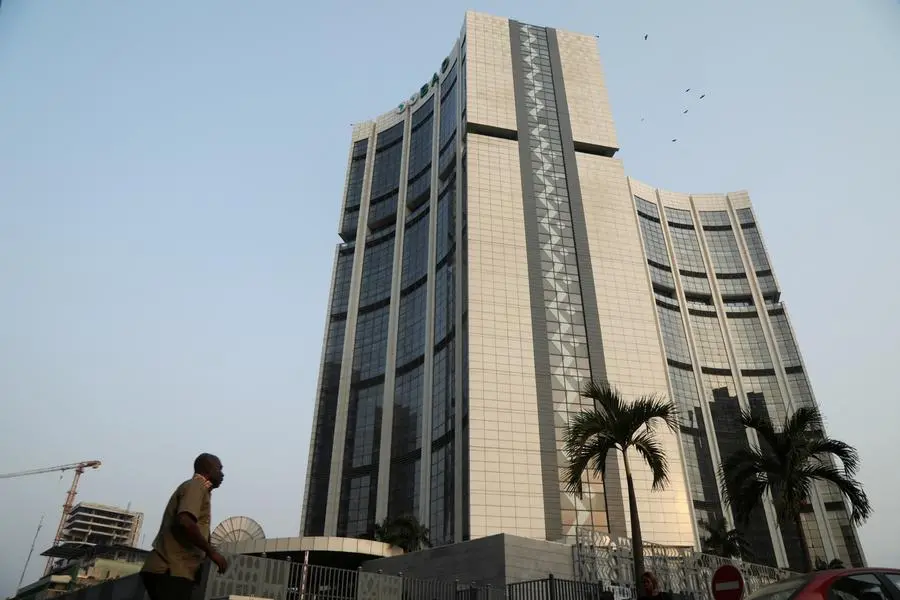
The African Development bank (AfDB) has asked African governments to strengthen transparency and reduce corruption in revenue collections to cushion against the shrinking foreign assistance triggered by geopolitical tensions and macroeconomic headwinds in developed countries.
The lender says in its latest African Economic Outlook 2026 report that rising geopolitical tensions could reduce official development assistance (ODA) flows to Africa, heightening near-term risks to overall external financing.“In an environment marked by declining international aid flows, driven by evolving partner priorities and nationally oriented policy approaches to development, African countries need to rethink the foundations of their development financing,” the lender says.“Strengthening fiscal and financial autonomy is essential to better anchor development financing on domestic resources. This should be accompanied by a stronger fiscal social contract between the state and the citizens, grounded in efficient, transparent and equitable use of public resources, to engender voluntary compliance by citizens in meeting their tax obligations.”
“With donors reallocating resources towards domestic and strategic foreign policy priorities, the decline in bilateral aid is likely to persist, and multilateral assistance may also come under pressure, since these shifting priorities could reduce contributions to multilateral institutions,” the report says.“With crisis-prone growth, priority should be given to broadening the tax base and improving the efficiency of revenue collection. Notably, digitising tax administration can enhance revenue collection, strengthen transparency and reduce corruption risks associated with direct interactions between tax officials and taxpayers.”According to the report, tax administration reforms, coupled with reduction of corruption in revenue collection would improve domestic resource mobilisation to expand fiscal space and reduce vulnerability to external shocks.
The current global supply chain shock has weakened labour market conditions in the Middle East, which accounts for 14 percent of African migrants, posing a risk to remittance transfers to Africa.“These trends strengthen the case for African countries to reduce dependence on external sources and explore domestic opportunities to mobilise resources to finance their development,” the report says.
The report, however, notes that high oil and fertiliser prices could increase prospects of a global economic slowdown and weigh heavily on Africa, while inflationary pressures could intensify and necessitate contractionary monetary policies and erode household purchasing power.
© Copyright 2026 Nation Media Group. All Rights Reserved. Provided by SyndiGate Media Inc. (Syndigate.info).