PHOTO
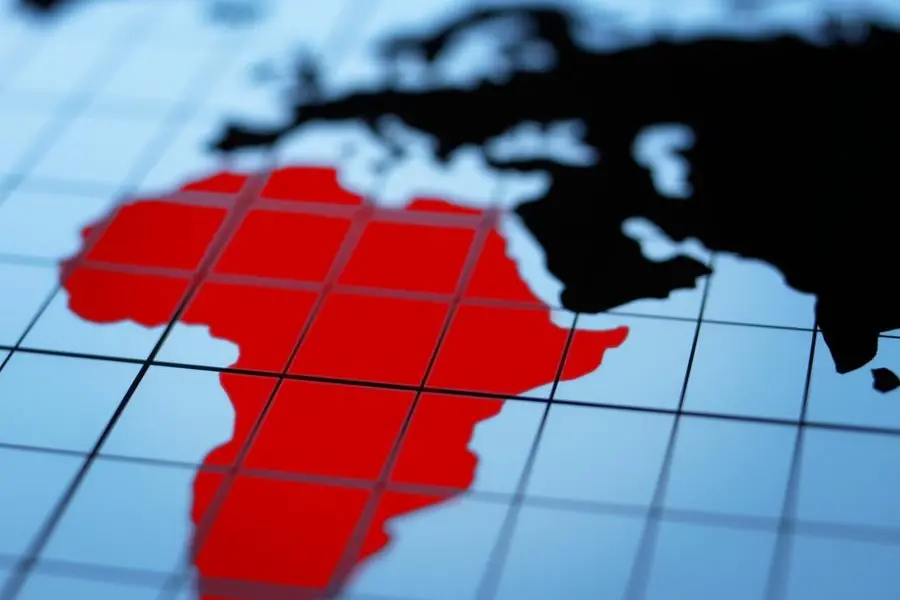
Several African countries continue to battle high levels of insecurity as violent crime, terrorism and political unrest persist. While the nature and intensity of crime differ from one country to another, factors such as weak governance, economic hardship, armed conflict and rapid urbanisation continue to shape security realities across the continent.
Contents
- South Africa (Crime Index: 74.5)
- Democratic Republic of the Congo (66.7)
- Nigeria (66.2)
- Cameroon (65.7)
- Angola (65.5)
- Namibia (63.8)
- Somalia (62.5)
- Mozambique (61.0)
- Zimbabwe (60.4)
- Libya (55.8)
A 2026 crime index ranking by Numbeo places South Africa at the top of the list, followed by Nigeria and the Democratic Republic of the Congo. The ranking reflects residents’ perceptions of crime levels and safety, particularly in urban areas.
In this article Tribune online examines the 10 African countries with the highest crime index in 2026 and the key security issues facing each.
South Africa (Crime Index: 74.5)
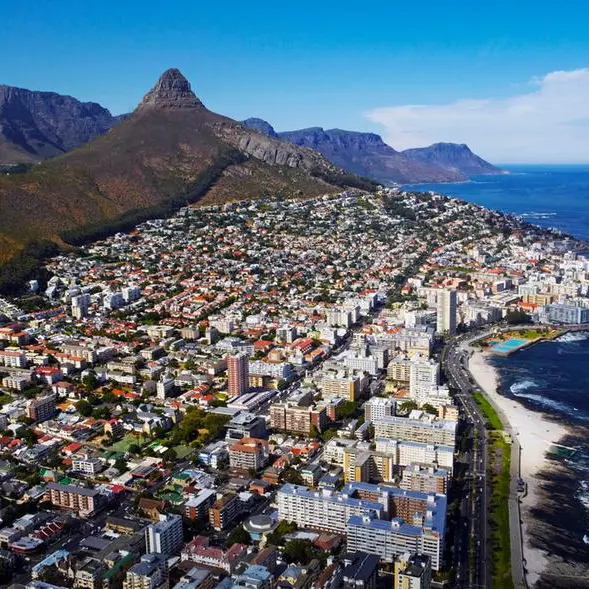
South Africa ranks first with the highest crime index in Africa. The country continues to battle violent crimes and property-related offences, especially in major urban centres such as Pretoria and Pietermaritzburg. Concerns over personal safety remain widespread, despite ongoing efforts by authorities to curb criminal activities.
Democratic Republic of the Congo (66.7)
With a crime index of 66.7, the Democratic Republic of the Congo faces persistent security challenges linked to armed conflicts in its eastern regions, political instability and widespread petty crime. These factors contribute to a generally low sense of safety for residents and visitors alike.
Nigeria (66.2)
Nigeria records a crime index of 66.2, driven by issues such as armed robbery, kidnapping and cybercrime. Security conditions vary significantly across the country, with some northern regions experiencing heightened risks due to insurgent activities, while urban centres grapple with organised crime.
Cameroon (65.7)
Cameroon’s crime index stands at 65.7. While petty theft and burglary are common in urban areas, parts of the country, particularly border regions, are affected by separatist violence and instability, which further strain national security.
Angola (65.5)
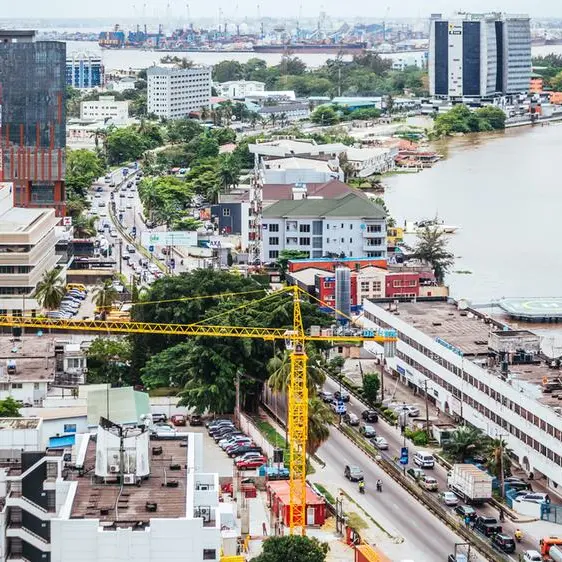
Angola records a crime index of 65.5, with property crime and armed robbery posing serious concerns, especially in Luanda and other large cities. Economic pressures and inequality continue to fuel criminal activities in urban communities.
Namibia (63.8)
Despite being relatively stable compared to some neighbouring countries, Namibia has a crime index of 63.8. Urban areas report cases of armed robbery, property crime and petty theft, which have impacted public confidence in safety.
Somalia (62.5)
Somalia’s crime index of 62.5 reflects ongoing security threats linked to terrorism, piracy and clan-based conflicts. Years of instability have made everyday life unpredictable, with safety remaining a major concern across much of the country.
Mozambique (61.0)
Mozambique records a crime index of 61.0, driven by violent crime, armed robbery and gang-related activities, particularly in urban areas. Parts of the country have also faced security challenges linked to insurgent violence.
Zimbabwe (60.4)
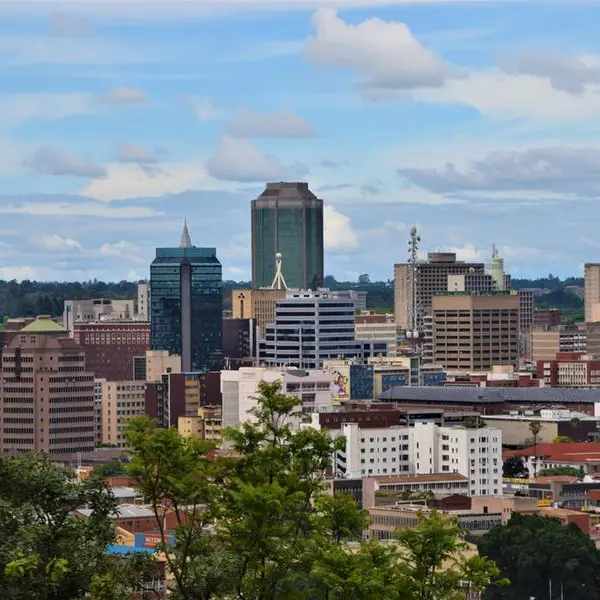
With a crime index of 60.4, Zimbabwe continues to experience high levels of property crime and petty theft. Major cities such as Harare and Bulawayo report occasional violent incidents, often linked to economic hardship.
Libya (55.8)
Libya rounds off the list with a crime index of 55.8. Political instability and prolonged armed conflict have made large areas unsafe, with militia activity and security uncertainty affecting daily life across the country.
Copyright © 2026 Nigerian Tribune Provided by SyndiGate Media Inc. (Syndigate.info).