PHOTO
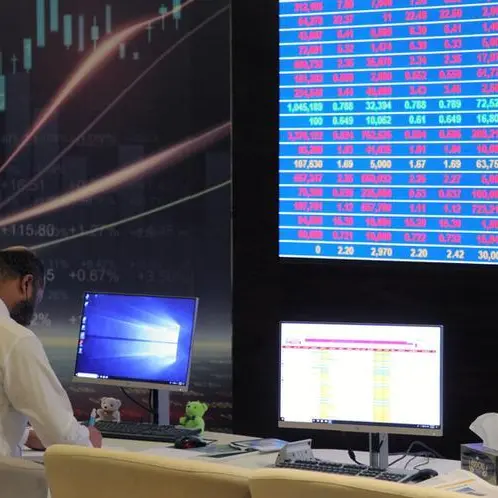
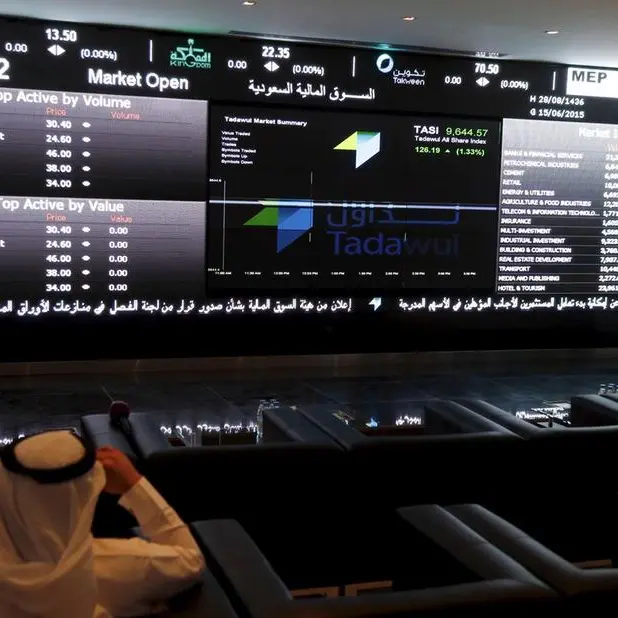
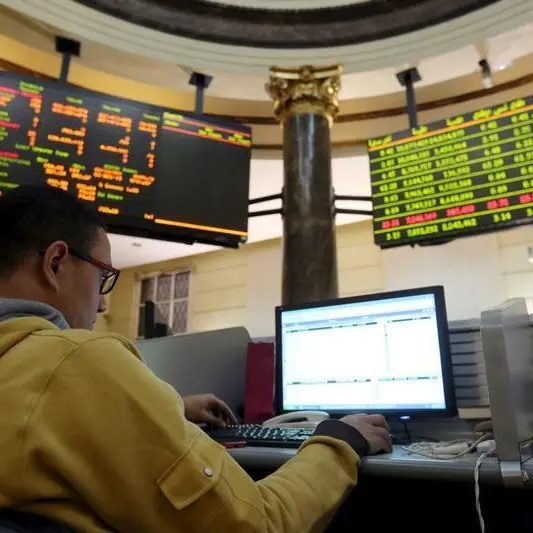
World stocks held near record highs on Friday and were set for their third straight week of gains, while benchmark oil prices were pinned below $100 a barrel ahead of a crucial weekend that could pave the way for a near-term resolution of the Iran war.
U.S. President Donald Trump expressed confidence that an agreement could soon be reached to end the conflict and urged the Tehran-aligned Hezbollah group to hold its fire as a 10-day truce went into effect between Lebanon and Israel.
Investors have been quick to take an optimistic view of any signs of denouement this month, even though the Strait of Hormuz - through which a fifth of the world's oil and gas supplies typically flow - remains largely closed.
That optimism has kept oil prices below $100 per barrel though they remain well above the pre-war levels. Brent crude futures were last at $96 a barrel down around 3.5% on the day, while U.S. West Texas Intermediate crude futures fell 4% to $87.5 a barrel.
In stocks, MSCI's world share index was broadly steady on the day but close to its record high hit Thursday. After tumbling in March due to the war, it has risen 8.5% so far in April.
"The debate is 'has this gone too far too fast?', and 'what in the world are equities thinking rallying so hard when oil is still at $100?,'" said Ben Laidler, head of macro and equity strategy at Bradesco BBI.
"But that misses the point," Laidler said, "(Investors) are forward-looking. Relative valuations look pretty good, earnings remain very strong, and it's a rare geopolitical event that hasn't been a buying opportunity."
He said to continue rallying from here, stocks would need some validation of their recent moves from continuing de-escalatory steps in Iran bringing oil prices lower and from first-quarter earnings.
"Expectations are quite high and we need to deliver on them," he said.
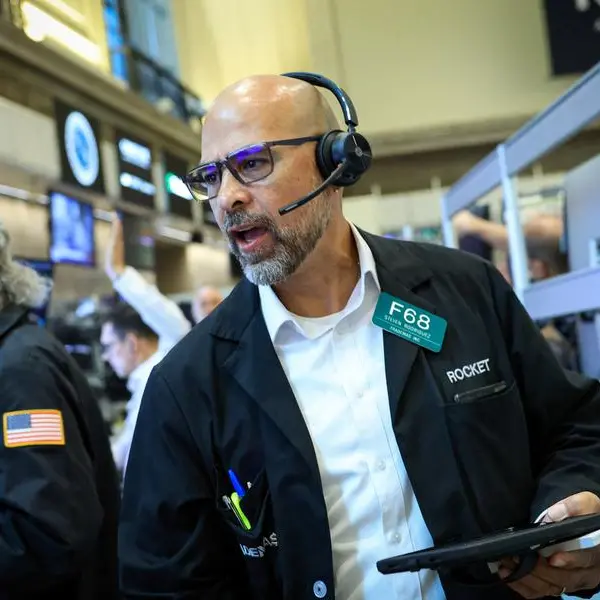
The initial stages of U.S. earnings season have been broadly positive, though on Friday the focus was on Netflix, which slumped 9.6% in premarket trading after forecasting below-expectation second-quarter earnings per share.
Broader index moves were more muted, with traders reluctant to make big bets ahead of a critical weekend when markets will be closed.
Europe's broad STOXX 600, which has underperformed U.S. and Asian peers, was up a whisker as were U.S. S&P 500 futures.
Asia stocks dipped earlier in the day, but still posted weekly gains.
BONDS LAG
Government bond markets have regained some of their lost ground, but much less than stock markets have. Investors see less chance of a Federal Reserve rate cut this year than they had pre-war and still anticipate the rate hikes from the European Central Bank they rushed to price in in early March.
The U.S. benchmark 10-year Treasury yield was 2 basis points lower on Friday at 4.29%, down from late March highs close to 4.5% but well above pre-war levels around 4%.
The euro zone benchmark German 10-year Bund yield was 3.02%, like its U.S. peer, off its recent high but around 40 basis points higher than late February.
For Andrew Chorlton, CIO for public fixed income at M&G, the last two weeks have been surprising in how quickly markets have been willing to look through the conflict and energy shock.
"There's quite a strong contrast between what policymakers and central bankers are saying about the risks that this (conflict) is creating versus what the market is implying," he said.
"That seems somewhat complacent," Chorlton added. "It seems unlikely that there shouldn't be some additional risk premium priced in, either to growth or to inflation."
The U.S. dollar benefited from safe-haven flows in March, but has since given up those gains. The euro last bought $1.1803, just below the seven-week high it touched in the previous session.
The yen was marginally stronger at 159.02 per dollar as investors took stock of comments from Bank of Japan Governor Kazuo Ueda, who steered clear of signalling a rate hike was on the cards this month.
The remarks will keep traders guessing on the timing of the next rate hike, with the lack of a clear signal leading markets to reduce bets of a rate increase at the BOJ's April 27-28 policy meeting.
Gold was steady at $4,789 an ounce.
(Reporting by Ankur Banerjee in Singapore; Editing by Lincoln Feast, Joe Bavier and Louise Heavens)