PHOTO
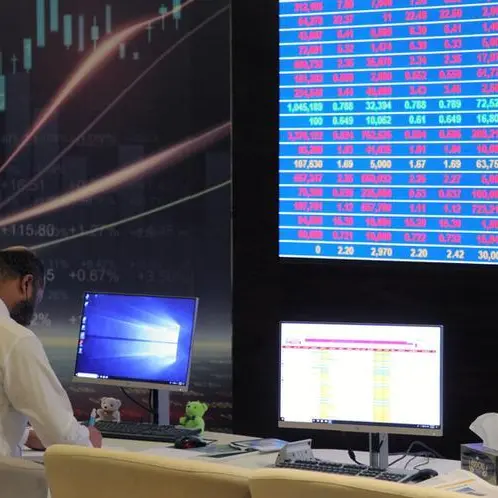
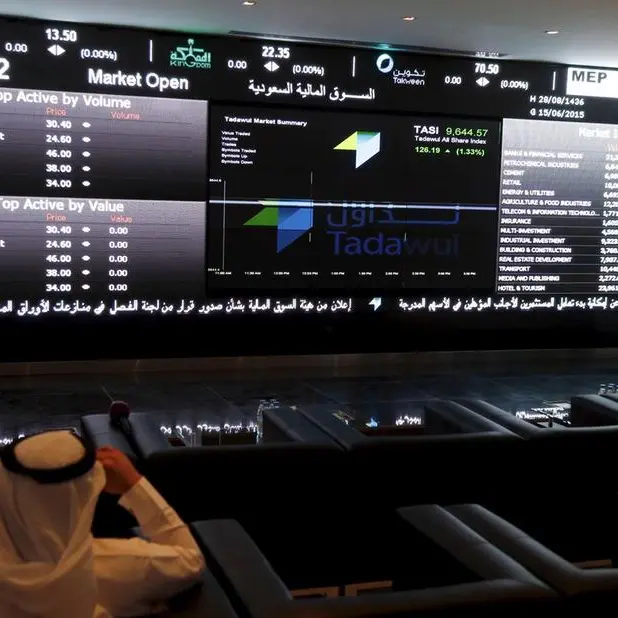
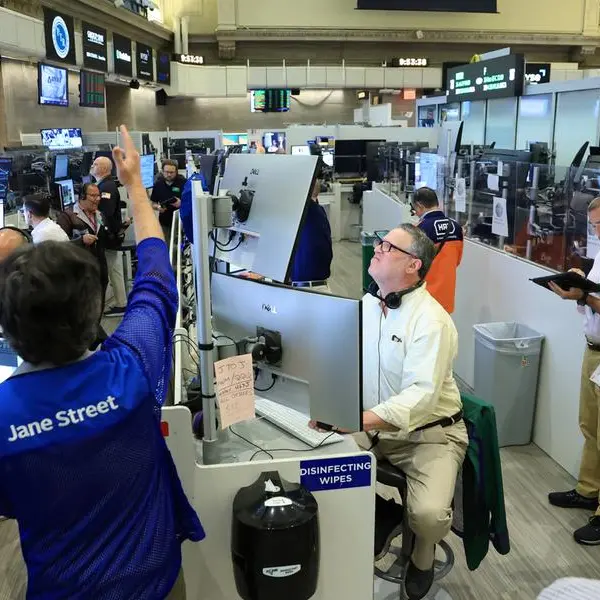
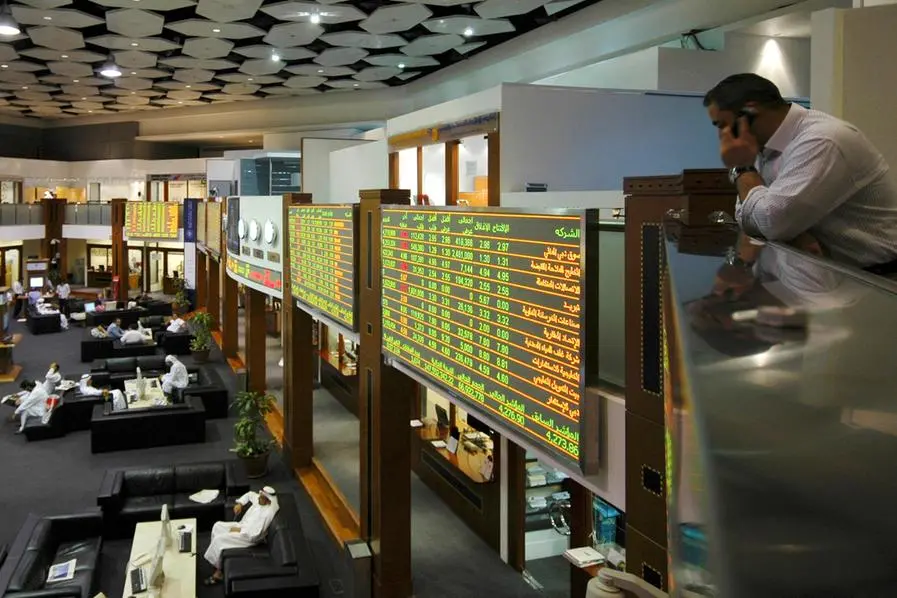
Stock markets in the United Arab Emirates ended lower on Friday, as renewed clashes between the U.S. and Iran near the Strait of Hormuz weighed on investor sentiment.
U.S. President Donald Trump said a ceasefire was still holding despite a flare-up in tensions that dented hopes for a swift diplomatic resolution to the crisis.
Dubai's main index fell 0.5%, ending a two-session rebound, with banking shares leading declines.
Emirates NBD Bank dropped 1.4%, while Dubai Islamic Bank slid 2.2%.
Bucking the trend, Emirates Integrated Telecommunications advanced 3.1% after announcing a partnership with Ooredoo Group to land the FIG subsea cable in the UAE.
The project is aimed at supporting rising demand from hyperscalers, cloud providers, AI platforms and data center operators.
UAE equities eased after renewed Strait of Hormuz tensions, but resilient local fundamentals and any regional de-escalation could support a return toward previous highs, said Daniel Takieddine co-founder and CEO, Sky Links Capital Group.
In Abu Dhabi, the benchmark index closed 0.4% lower, pressured by a 1.2% decline in Adnoc Gas and a 1.5% drop in Abu Dhabi Commercial Bank.
Oil prices - a key catalyst for Gulf's financial market - rose, with Brent crude futures up 0.67% at $100.73 a barrel by 1143 GMT.
Despite the pullback, both indexes ended the week higher. The Dubai index gained 2.4% for the week, while the Abu Dhabi added 0.5%, according to data compiled by LSEG.
(Reporting by Mohd Edrees in Bengaluru; Editing by Diti Pujara)