PHOTO
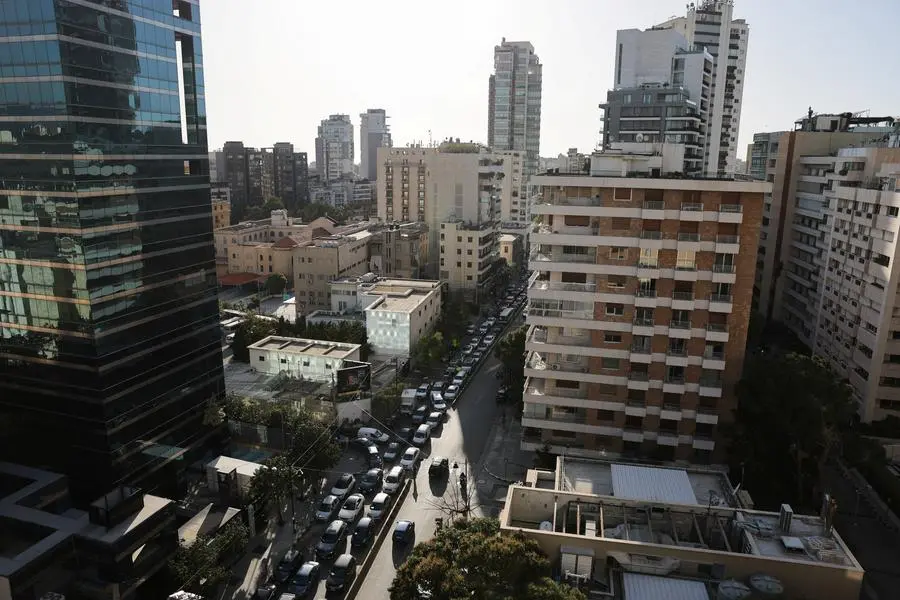
Lebanon's defaulted sovereign bonds scaled fresh six-year highs on Thursday as the widening conflict in the Middle East fuelled hopes that a weakened Hezbollah could pave the way for the country to emerge from its years-long crisis.
The war-torn nation's longer-dated bonds have added as much as 2 cents since Friday's close, with much of the curve now trading between 30.5 cents and 31.5 cents on the dollar, the highest levels since spring 2020 when the fallout from the COVID pandemic roiled global markets.
The debt has been among the best performers in 2026, returning investors nearly 33%. The latest gains come after Hezbollah, founded by Iran's Revolutionary Guards in 1982, launched rockets and drones into neighbouring Israel on Monday to avenge the killing of Iran's Supreme Leader Ali Khamenei, prompting ongoing full-blown hostilities with Israel.
The group's decision to enter the Middle East war in support of its patron, Iran, opened a rift with its main political ally at home in Lebanon, leaving the group deeply isolated.
"Weaker Iran/Hezbollah makes it easier to move on with a disarmament, and improves governability," said Bruno Gennari at KNG Securities. "You might not see that improvement today, but in the medium- to long-term."
DEFAULT
Lebanon defaulted on its $31 billion of outstanding international bonds in March 2020 during a spiralling financial crisis that wiped out banks' balance sheets and cost the country's currency 99% of its value.
Emerging from the spiral has been slow.
The formation of a new government just over a year ago after two years of paralysis raised hopes among investors that authorities would bring the country closer to accessing reconstruction funds and emerge from its default.
However, policymakers will still have to navigate a myriad of fiscal and economic challenges, including a contentious banking sector restructuring and shaping the contours of its medium-term fiscal strategy. Meanwhile, its location at the centre of Middle East conflicts and delayed elections - scheduled for May but now postponed due to the conflict with Israel - add to the uncertainties.
Lebanon requested a programme with the International Monetary Fund a year ago and a mission from the Washington-based lender of last resort visited Beirut last month.
(Reporting by Karin Strohecker and Libby George, editing by Kirsten Donovan)