AMMAN - Representatives from different governmental and nongovernmental organisations on Monday discussed mechanisms of applying the Strategic Environmental Assessment (SEA) in the Kingdom with the aim of achieving environment-friendly sustainable development.
The workshop, organised by the Ministry of Environment, in cooperation with the EU-funded Short- and Medium-term Priority Environmental Action Programme (SMAP), was designed to introduce the concept of SEA to the Kingdom.
SEA is a systematic, on-going process of evaluating publicly accountable decisions at the earliest appropriate stage.
The assessment is based on environmental quality, and consequences of alternative visions and development intensions incorporated into policies, plans and programmes initiatives, ensuring full integration of relevant biophysical, economic, social and political considerations.
The new initiative seeks to support decision-makers by identifying environmental effects of proposed actions and considering environment-friendly alternatives. It also contributes to environmentally sustainable development by anticipating and preventing cumulative effects and global risks.
Once SEA is applied in Jordan, it will become a tool for strategic planning which takes into consideration environmental aspects and the assessment of potential environmental impacts, Minister of Environment Khalid Irani said yesterday.
"The ministry established the Policy and Development Directorate last year to integrate environmental aspects in the decisions of the country's development sectors," Irani said in his opening remarks, delivered on his behalf by the ministry's assistant secretary general, Ahmad Qatarneh.
"The workshop is the first step towards formulating mechanisms for applying SEA on the policies and programmes issued by your institutions," Irani added, addressing the participants.
He noted that measuring the impact of institutions' policies and programmes on the environment will be achieved in cooperation with experts from SMAP, which is a programme supporting actions for integrated water, waste and coastal zone management across the Mediterranean, as well as for combating desertification, rehabilitating polluted areas and protecting threatened biodiversity.
In partnership with several EU member states and other Mediterranean partners, Jordan participated in several projects under SMAP over the past few years, including urban waste management, water community programmes, integrated watershed management, integrated waste management for olive oil pressing industries and regional solid waste management.
In his speech, the minister said one national initiative that considered the environmental dimension is the Greater Amman Municipality's Master Plan.
Noting that the initiative took into consideration its impact on the environment, Irani urged participants to benefit from such a "pioneering experience" and from other countries' experiences in this field to come up with the "First National Strategic Environmental Assessment".
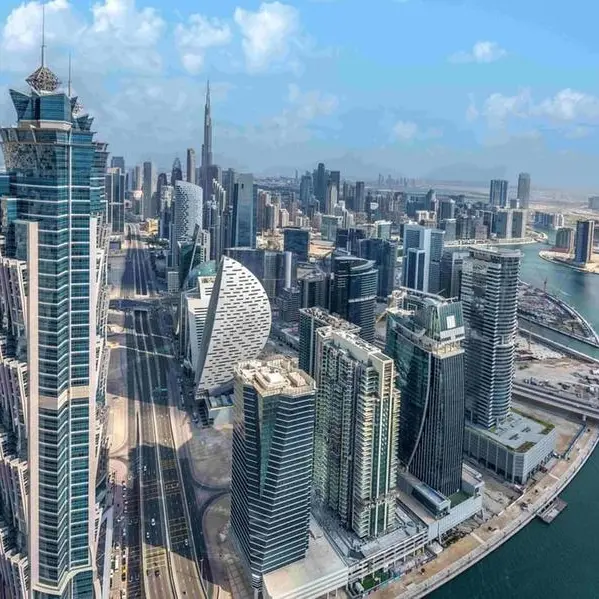
The Master Plan, initiated in June 2006 as a response to the tremendous growth the capital has witnessed over the past several years, seeks to provide clear direction for the municipality's sustainable development over the next 20 years in accordance with new planning legislation.
Amman won the 2007 World Leadership Award in the town planning category for the project.
The capital was short-listed for the award last month, along with two other cities, the Indian town of Ahmedabad, with its "effective town planning" project and the Canadian city of Brampton for its "vision and strategy for sustainable growth".
The awards are given to cities whose leaders have shown exceptional imagination, foresight or resilience in a number of key fields - especially cities that have reversed trends, shaken off traditional images, and acted as an example and inspiration to others, according to the World Leadership Forum website.
By Hana Namrouqa
© Jordan Times 2007