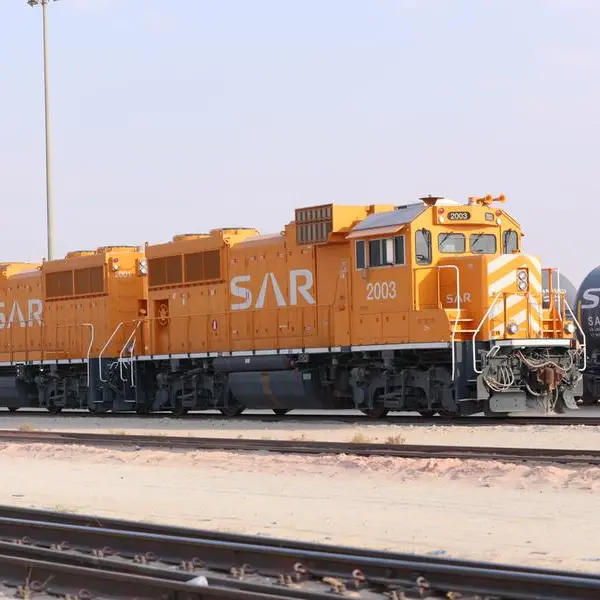
Dubai municipality's sustainability initiative in the wastewater sector has set a precedent as the region's first solar-powered wastewater irrigation system for landscaping
The need for energy from renewable sources has become a pressing issue in recent years in the emirate of Dubai and as well in the region. Many individuals and organisations have become concerned about the future energy needs of our society and have begun searching for ways to meet these needs. With the finite and rapidly depleting reserves of oil and natural gas, it has become a major issue to discover sources of renewable energy and implement systems that harness them. An energy infrastructure based on renewable sources would be better able to sustain the needs of the society with continually increasing energy demands due to its growth in size and its increased standard of living. The adoption of such systems would also have a positive impact on our environment. The renewable forms of energy, such as solar power produce virtually no pollution.
The implementation of renewable energy systems will be a wise investment; energy produced by such systems would no longer have to be purchased, and over a period of time, these savings in energy costs may exceed the price of the system. The feasibility of installing solar panels for landscaping irrigation system was determined by gathering pertinent weather data, conducting site analysis, investigating possible solar panels and mounting solutions, and finally, creating an economic model.
These attributes combined to form a final solution through which we determined the investment potential as well as the social and environmental impacts of implementing such a system. Our results indicated that the system would have a payback period of roughly 10 to 12 years. The goal of this project is to achieve the environmental sustainability and promote green economy in the emirate of Dubai.
The implementation of this project in fact has created awareness within the department and in Dubai as well and has employed more professionals within the department to operate and maintain the solar landscaping irrigation system.
Moreover, the above renewable energy technology will be implemented in the operation of sewerage network systems in the forthcoming years. The main aim of this project is to utilise the renewable solar energy and the treated water and establish a cost effective and environmentally sustainable solution by adopting drip irrigation system to irrigate the plants and trees in the various roundabouts (traffic intersections) of the emirate of Dubai.
About 177 million m3 of waste water is treated and more than 149million m3 of treated water was used last year for greening the city of area of about 24 million m2 which has substantially reduced the carbon foot prints and use of fossil fuels. The solar power landscaping irrigation system comprises of three sub systems; (a) Solar power system; (b) Electrical control sub system (c) Pumping system. The solar power system is responsible for generating electrical power from the solar power and supplying power for the operation of the whole landscaping system. The major components include PV panels, rechargeable batteries and necessary accessories.
The Electrical control subsystem controls the charging of batteries and the timing of operation of pumps and sprinklers. The major components include electrical timers, automatic controllers and inverters. The pumping and water storage system deals with storage and irrigation of landscaping (roundabouts).The major components include submersible water pump, treated water storage tank, sprinklers and associated water pipes.
The system mainly comprises of photovoltaic solar cells, Lorentz submersible solar pump and underground water tank of about 5,000 gallon capacity. A submersible pump operated by solar energy is installed in the tank which is specially designed to run on DC current consuming 250 to 300 watts supplied by solar cells and a drip irrigation system is used to irrigate the trees and ground cover plants automatically on daily basis. The treated sewage effluent water is used to irrigate the plants for surface area of about 25,000 m2 and the Photovoltaic system is expected to generate about approximately 15 MWh of electricity and will reduce about 10 metric tonnes of Carbon dioxide equivalent emissions annually. The capital cost of the project is about AED 1.7 million. This project is being implemented at 34 roundabouts which is located at various locations in the emirate of Dubai in collaboration with Horticulture department, Dubai municipality and Alsa solar systems, an Abu Dhabi based organisation and a local representative of Lorentz for the design, manufacture, supply, engineering, implementation and commissioning of the project . The project is completely managed by the drainage and irrigation network department by using in house expertise without employing a consultant.
The project was implemented by adopting design build contract business model and Alsa solar system was selected by the department by adopting the procurement principles and methods of the ISO 9001;2008 , quality management system standards. In fact, the solar power landscaping irrigation project was recognised by the H2O Middle East Water Award 2012 and the Middle East Electricity Award 2013 under the project category "Innovative Use / Application of technology."
This project initiated by the department will be the first step towards achieving low carbon energy innovation in the waste water sector in the region and the implementation of such project will play a significant role in combating climate change, promoting economic competitiveness in the facility management industry in GCC, and achieving energy security in the region As a matter of fact , the department of drainage and irrigation network department which executed the above project is functioning under Dubai municipality and is responsible for the management of operation and maintenance of sewerage / rain/storm water network facilities in the emirate of dubai . The department is spearheaded by Engineer Hassan Mohammed Makki , Director - drainage and irrigation network department and is responsible for the management of waste water /irrigation water infrastructure and facilities in the emirate of Dubai .
The total infrastructure facility located strategically at Al Warsan comprises about 700 employees, more than 100 fleets, well equipped workshop of international standard , about 10 major pumping stations and about 200 subsidiary pumping stations which are monitored and controlled by SCADA (supervisory control and data acquisition system) which control and monitors the operation of number of submersible pumps installed strategically at various locations in the emirate of Dubai. In addition to that, the movement of sewer tankers/vehicles are monitored and controlled by a team of professional engineers using the state of art technology i.e.: vehicle tracking system (GPS). In order to receive the complaints from the residents a 24/7 call centre is established which can be reached by dialling 800900.
The services of complaint redressal system is available for 24/7 hours. On receiving complaints with regard to water accumulation, choking of road/ street side drain or removal of de-silted material is resolved within 1-2 hours. The maintenance of pumps (both submersible and mobile pumps), tankers, vehicles and other mechanical /electrical equipment/ accessories are maintained and operated by a team of well qualified and experienced maintenance/operation engineers and technicians. In addition to that, an in house workshop of international standard with all modern and sophisticated equipment is located strategically at Al Warsan which caters the needs of all maintenance activities throughout the year.
© Power & Water Middle East 2013