Wednesday, Oct 29, 2003
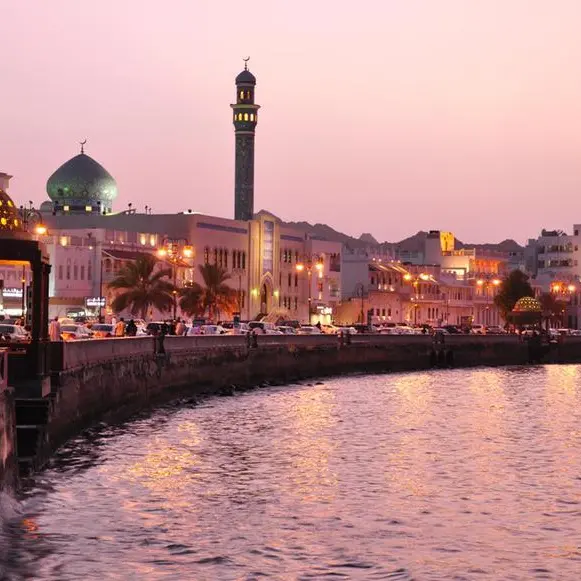
Arriving at the once impervious port of Essaouira, on the Atlantic coast of Morocco, is almost as magical as the walled city itself.
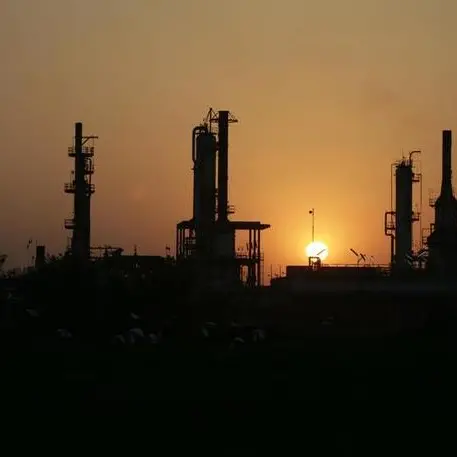
On a clear day, the four-hour drive down the coastal road from Casablanca is an endless painting of deep blue sea and tangerine sun. The world as you know it has ceased to exist - with the single exception of the industrial port at Safi, and its unfortunately-placed phosphate plant.
Few coastlines as magnificent can be found within a two-hour flight from Madrid, three hours from Paris or a little longer from London.
For some property owners, the queues at Malaga airport, the traffic jams along the French Riviera, or the noisy lager-swilling terraces of Majorca, are memories of holidays past. Buying a holiday home in Morocco is not as far-fetched or as far away as before.
It should not be a surprise that others have acted quickly. For some, gems such as Essaouira have already begun to fade. News of their existence is spreading beyond the windsurfers. .Before them, hippies also kept one of Morocco's best secrets.
Jane Loveless, who first began visiting the town in the 1970s, returned to buy a property nine years ago. She was involved in Essaouira's music culture and put together the annual festival of Gnawa, intense local music that has become a growing part of the world music scene.
"Some people complain," she says. "The festival has brought wealth here, and that has pushed up prices. It's a trade-off though, I feel very proud."
She paid Pounds 15,000 in 1994 for a small house in town and recently sold it for about Pounds 70,000 - and bought another house. Some neighbouring villas, advertised locally, go for as much as Pounds 250,000.
"Essaouria is becoming gentrified very quickly, but planning is now much better," she says. Local government has stopped unlicensed building projects. but enforcing strict design rules has proved much harder.
Ms Loveless bought her first house from a Moroccan with the help of local friends and at a time when there was no English-speaking notary in town. The second purchase, from a French couple, became a bigger headache than the first due to a title dispute, which is common, though easily avoidable in the hands of an estate agent.
In spite of the trouble, she says she would buy another house if this one does not work out. It is good news for the Moroccan government, which hopes to fuel growth of the tourism industry that now makes up 8 per cent of the formal economy, in part, by attracting home-buyers.
A Euros 4.2bn investment plan was unveiled to build five upscale resorts on its Atlantic and Mediterranean coasts. The plan was announced before a steep drop in international travel, especially to Muslim countries, after the terrorism attacks of September 11 2001. Any recovery disappeared the morning that Al Qaeda struck in Casablanca, killing 41, in May. Morocco's friendship with the US had made it a target. But, with a Euros 1.5bn development contract on the Mediterranean awarded over the summer to Spanish builder Fadesa, the plan is moving forward.
International airports, particularly at the tourist resort of Agadir, in the south, have been expanded. Regional airfields, including the one at Essaouira, will be improved.
* Contacts: www.tourism-in-morocco.com. The official Moroccan tourism website www.marweb.net/morocco.A Moroccan search engine www.capessaouira.com. One of the few local estate agents to boast its own website
By JOSHUA LEVITT
Copyright The Financial Times Ltd 2003. Privacy policy.