PHOTO
International management consulting firm Oliver Wyman has released a report titled ‘The Experience Revolution’ which analyses seven global trends that will continue to shape the tourism industry and have a ripple effect across the Mena region.
Oliver Wyman outlines ways industry stakeholders can leverage new opportunities to meet the growing demands of today and tomorrow’s global traveller by leveraging these trends.
According to the global consultancy firm, the following key trends will have the greatest impact:
• Rise of the Asian middle class – The most significant increase in demand for tourism will come from Asia: of the more than 2.4 billion people who are projected to join the global middle class from 2015 to 2030, 90 per cent of them will be Asian. By 2030, 30 per cent of international travellers will be Asian.
• Digitalisation – With the new generation of tech-savvy travellers, emergence of new technologies and the rise of a connected generation of travellers, digitalisation has become even more crucial.
• Sharing economy – The past few years have witnessed an increase in online travel transactions. In 2015, 30 per cent of the market value of the top 30 digital companies came from collaborative platforms like Airbnb, Uber, or HomeAway. As such, stakeholders need to adapt and further leverage programs that offer such unique options for travellers.
• Responsible tourism – With a scarcity of resources on the rise, an increased pace of climate change, and the rapid extinction of many species, overpopulation and the impact of human activities on the planet is becoming a concern. With the number of tourists only set to increase, stakeholders have adopted various strategies to combat irresponsible tourism such as limiting the number of visitors, limiting access to sites under certain condition. In addition, many travel and hotel companies have also committed to reducing wastage and developing technologies to support sustainability.
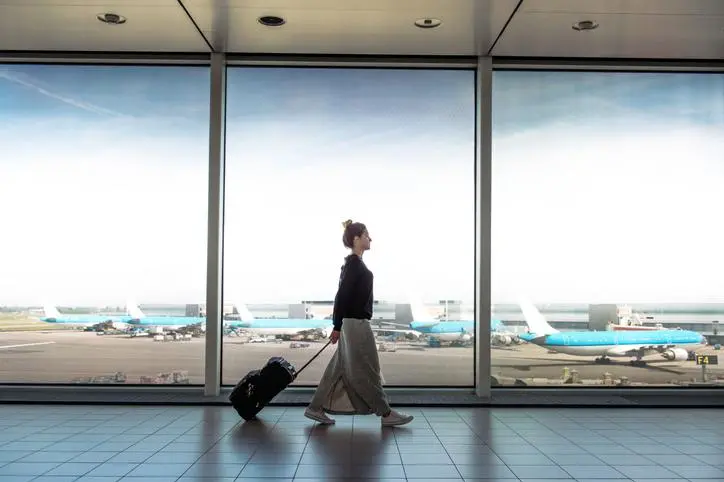
• Solo travel – Some 50 per cent of all those who travel on holiday go solo at least once a year, and that trend is expected to grow, driven mainly by women travellers and adventure seekers. According to Hostelworld, the world’s leading hostel-focused online booking platform, solo travel bookings increased by 42 per cent between 2015 and 2017. During the same period, solo bookings by women grew 45 per cent vs. 40 per cent for men.
• Personalisation – Today’s travellers value tailor-made experiences based on personal preferences and past behaviours. According to an Epsilon study, 64 per cent of consumers said a personalised customer service was more important than speed of service, and 94 per cent of consumers would be more likely to do business with travel and leisure companies if they offered personalised experiences.
• Experience over product – One of the most significant shifts among tourists has been the movement away from product towards experience paradigm. Travellers are increasingly looking for authentic, cultural, one-of-a-kind experiences.
“While the UAE has put the Gulf region on the map for global tourism, the ongoing broad region of development in other countries, notably Saudi Arabia, will bring a range of innovation and experience into the market. Trends such as digitalisation and responsible tourism are unique state-of-the-art concepts, transforming the entire hospitality industry globally and regionally. Phenomena such as IoT will enable the potential of the region and drive economic growth for local governments to support these developments,” said Matthieu De Clercq, partner, Public Sector, Oliver Wyman. - TradeArabia News Service
Copyright 2019 Al Hilal Publishing and Marketing Group Provided by SyndiGate Media Inc. (Syndigate.info).