15 August 2009
Oxford -- Saudi Aramco's President and CEO Khalid A. Al-Falih has highlighted the company's dynamic role in national, international and organizational perspectives in a changing world.
In a keynote address at the 31st Oxford Energy Seminar at St. Catherine's College held recently, he focused on "Saudi Aramco in a Changing World: The International, National and Organizational Context."
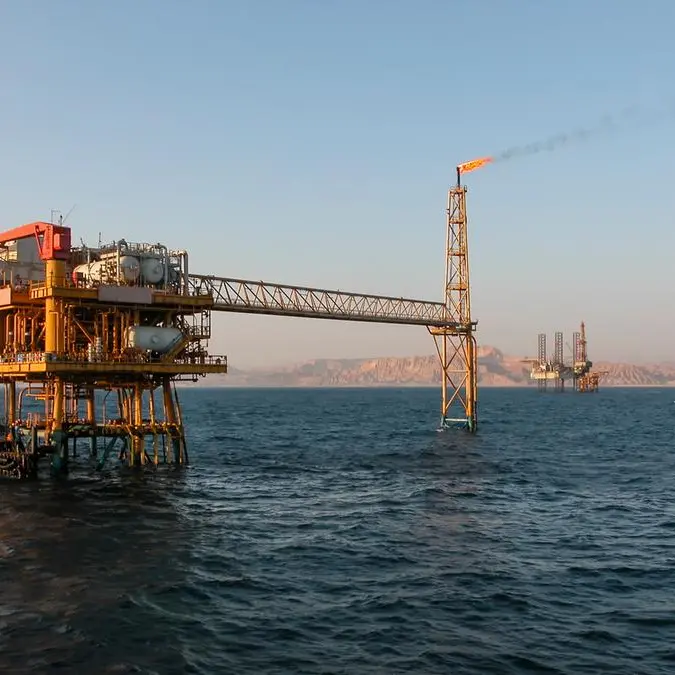
Al-Falih clearly laid the groundwork by enumerating the company's roles: the world's largest producer and exporter of crude oil; a world-scale producer and processor of natural gas; a "major and still-growing player in refining," and, more recently, a player in the petrochemicals industry through in-Kingdom and overseas joint ventures.
"Saudi Aramco's activities," he said, "cover the whole globe and span the entire petroleum value chain, from reservoir to petrol pump and petrochemical plant and everything in between."
Saudi Aramco is a global enterprise, yes, but its importance at home, in Saudi Arabia, must not be understated. "It is the sole supplier of petroleum energy the Kingdom's primary competitive advantage -- to vital domestic industries, utilities, business enterprises and individual consumers," he said. But on top of that, while contributing to the Kingdom through corporate social responsibility, "We pay as much attention to fiscal discipline and our bottom line as any of the multinationals."
These three facets are interrelated and balanced in a "tripod" concept. Prospective investments that help the local economy and society, help the company meet its obligations to supply energy to the world, and are commercially attractive meet the tripod test.
Al-Falih said "The export-oriented refineries now being developed with Total and ConocoPhillips are good examples of the tripod concept at work.
But there is also an internal tripod upon which Saudi Aramco builds its complex operations: "The Three Ts," Technology, Talent and Teaming. "As important as our hydrocarbon reserves and our well-developed industrial infrastructure are, they are not enough on their own," he said. "In fact, these Three Ts are the most significant drivers of our success in the past, and more so in the future in our quest to remain both an industry powerhouse and a very profitable commercial enterprise."
The Technology leg includes everything from off-the-shelf solutions to developing unique tools for unique challenges to shaping the technology agenda for the industry. "For example," he said, "our POWERS reservoir simulator is a proprietary upstream technology designed to model the Ghawar field in a single run and at ever-increasing levels of detail. And it's unique simply because no one else has fields the size of Ghawar, Safaniya or Shaybah which they need to simulate."
Upstream, the company is on the cutting edge with its maximum-reservoir-contact and extended-reach wells, remote geosteering and Intelligent Field concept; and, in refining, a new High Severity-Fluid Catalytic Cracking process.
The first "T" means little without the second, Talent. "At Saudi Aramco, we view the men and women who call themselves Aramcons as our most significant competitive advantage," Al-Falih said. "The best in the oil business are not looking for a comfortable corner to relax in; rather, they seek challenges and opportunities, as well as suitable recognition and appropriate reward for their efforts and contributions."
Even with all that talent, though, no oil company can go it alone. That's where the third "T," Teamwork, comes in.
"We have pursued joint-venture partnerships with leading global petroleum companies and now with top-flight chemical enterprises, and have worked hard to develop strong and sustained relationships with our customers in the Kingdom and around the globe," he said. "Our history and our continuing experiences demonstrate just how much is possible through cooperation and collaboration with complementary organizations."
One of the things that make Saudi Aramco work well is its relationship with the government, Al-Falih said. And that works well because of the clarity of roles and responsibilities, Al-Falih was quoted as saying in his address by Saudi Aramco's web-site.
"The Ministry sets policy, including fiscal regime; makes decisions on production levels; and sets the nation's overall hydrocarbon policy," he said. "Meanwhile, the company focuses on implementing those policies and meeting the broad umbrella objectives set by the government, all while balancing the international, national and commercial priorities I addressed earlier. ... In my view, this symbiotic relationship has been one of the major factors in Saudi Aramco's success over the years."
In the big perspective, Al-Falih said, "It is our task to gain clarity about the forces, trends and issues that lay before us, and to establish clear criteria by which they can be identified, assessed and related to one another. We have to exercise control within our spheres of influence using key enablers like the Three Ts. ... Above all, we must have a clear vision of our organizations' role in the industry, and indeed in society, because only then can we as leaders take tough decisions about the trajectory of our business and the direction of our companies or institutions."
These difficult issues are among the most complex and important challenges in the world. "But in my view, that simply means that there is no more challenging or exhilarating industry than petroleum, no more essential driver of prosperity and development than the energy which we provide, and no profession that is as satisfying and rewarding as that of the oil man or woman."
Oxford -- Saudi Aramco's President and CEO Khalid A. Al-Falih has highlighted the company's dynamic role in national, international and organizational perspectives in a changing world.
In a keynote address at the 31st Oxford Energy Seminar at St. Catherine's College held recently, he focused on "Saudi Aramco in a Changing World: The International, National and Organizational Context."
Al-Falih clearly laid the groundwork by enumerating the company's roles: the world's largest producer and exporter of crude oil; a world-scale producer and processor of natural gas; a "major and still-growing player in refining," and, more recently, a player in the petrochemicals industry through in-Kingdom and overseas joint ventures.
"Saudi Aramco's activities," he said, "cover the whole globe and span the entire petroleum value chain, from reservoir to petrol pump and petrochemical plant and everything in between."
Saudi Aramco is a global enterprise, yes, but its importance at home, in Saudi Arabia, must not be understated. "It is the sole supplier of petroleum energy the Kingdom's primary competitive advantage -- to vital domestic industries, utilities, business enterprises and individual consumers," he said. But on top of that, while contributing to the Kingdom through corporate social responsibility, "We pay as much attention to fiscal discipline and our bottom line as any of the multinationals."
These three facets are interrelated and balanced in a "tripod" concept. Prospective investments that help the local economy and society, help the company meet its obligations to supply energy to the world, and are commercially attractive meet the tripod test.
Al-Falih said "The export-oriented refineries now being developed with Total and ConocoPhillips are good examples of the tripod concept at work.
But there is also an internal tripod upon which Saudi Aramco builds its complex operations: "The Three Ts," Technology, Talent and Teaming. "As important as our hydrocarbon reserves and our well-developed industrial infrastructure are, they are not enough on their own," he said. "In fact, these Three Ts are the most significant drivers of our success in the past, and more so in the future in our quest to remain both an industry powerhouse and a very profitable commercial enterprise."
The Technology leg includes everything from off-the-shelf solutions to developing unique tools for unique challenges to shaping the technology agenda for the industry. "For example," he said, "our POWERS reservoir simulator is a proprietary upstream technology designed to model the Ghawar field in a single run and at ever-increasing levels of detail. And it's unique simply because no one else has fields the size of Ghawar, Safaniya or Shaybah which they need to simulate."
Upstream, the company is on the cutting edge with its maximum-reservoir-contact and extended-reach wells, remote geosteering and Intelligent Field concept; and, in refining, a new High Severity-Fluid Catalytic Cracking process.
The first "T" means little without the second, Talent. "At Saudi Aramco, we view the men and women who call themselves Aramcons as our most significant competitive advantage," Al-Falih said. "The best in the oil business are not looking for a comfortable corner to relax in; rather, they seek challenges and opportunities, as well as suitable recognition and appropriate reward for their efforts and contributions."
Even with all that talent, though, no oil company can go it alone. That's where the third "T," Teamwork, comes in.
"We have pursued joint-venture partnerships with leading global petroleum companies and now with top-flight chemical enterprises, and have worked hard to develop strong and sustained relationships with our customers in the Kingdom and around the globe," he said. "Our history and our continuing experiences demonstrate just how much is possible through cooperation and collaboration with complementary organizations."
One of the things that make Saudi Aramco work well is its relationship with the government, Al-Falih said. And that works well because of the clarity of roles and responsibilities, Al-Falih was quoted as saying in his address by Saudi Aramco's web-site.
"The Ministry sets policy, including fiscal regime; makes decisions on production levels; and sets the nation's overall hydrocarbon policy," he said. "Meanwhile, the company focuses on implementing those policies and meeting the broad umbrella objectives set by the government, all while balancing the international, national and commercial priorities I addressed earlier. ... In my view, this symbiotic relationship has been one of the major factors in Saudi Aramco's success over the years."
In the big perspective, Al-Falih said, "It is our task to gain clarity about the forces, trends and issues that lay before us, and to establish clear criteria by which they can be identified, assessed and related to one another. We have to exercise control within our spheres of influence using key enablers like the Three Ts. ... Above all, we must have a clear vision of our organizations' role in the industry, and indeed in society, because only then can we as leaders take tough decisions about the trajectory of our business and the direction of our companies or institutions."
These difficult issues are among the most complex and important challenges in the world. "But in my view, that simply means that there is no more challenging or exhilarating industry than petroleum, no more essential driver of prosperity and development than the energy which we provide, and no profession that is as satisfying and rewarding as that of the oil man or woman."
© Saudi Press Agency 2009