Not with a whimper but with a bang. That seems to be the message coming out of Saudi Arabia on the economic front. Last year, for example, the Saudi Arabian General Investment Authority announced the Kingdom's decision to launch the King Abdullah Economic City in Rabigh in the Western Province at a cost of SAR100 billion. And now comes the news of a world class financial district to be built in Riyadh. A SAUDI MONEYworks report.
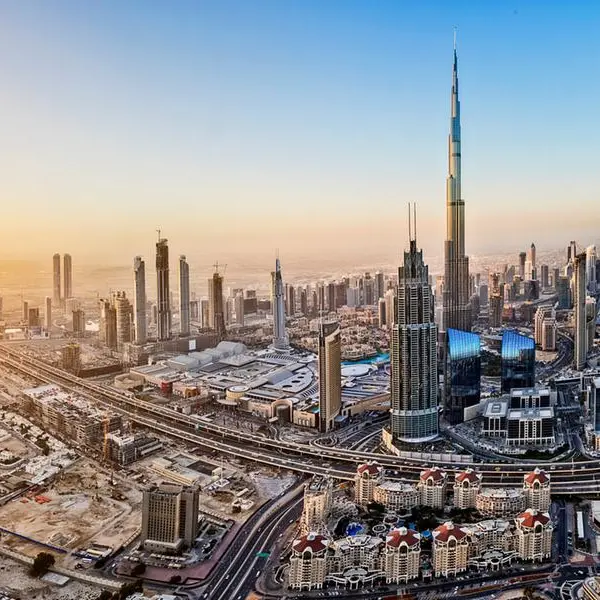
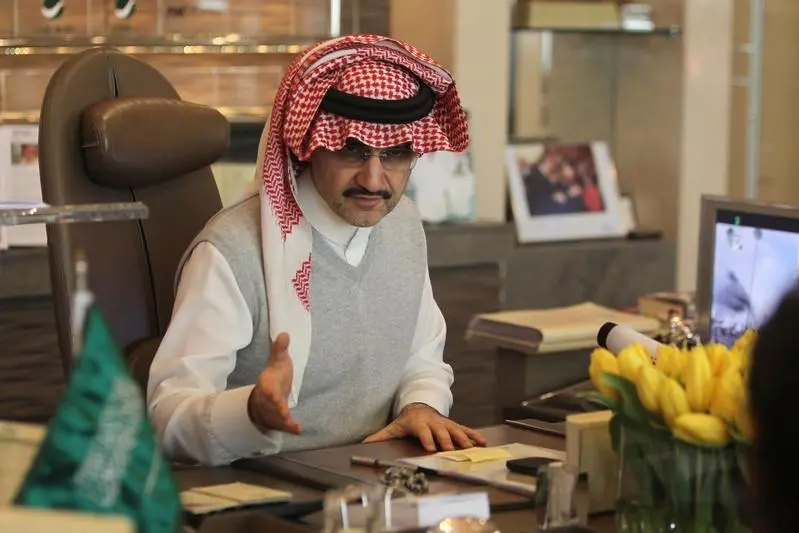
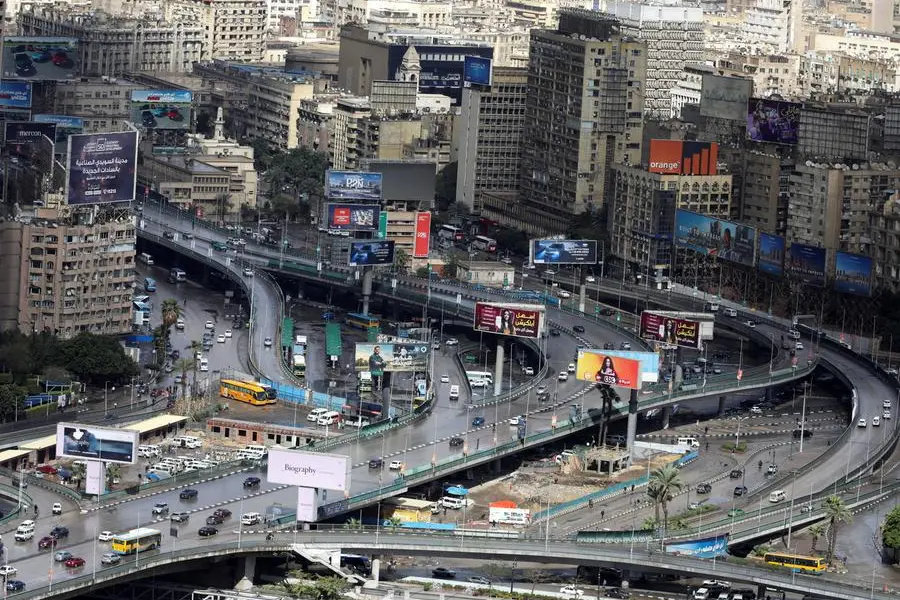
Minister of finance Dr. Ibrahim Al-Assaf made a significant announcement in May that a mega financial district named after King Abdullah will be built in the north of Riyadh. The world-class King Abdullah Financial District (KAFD), to be constructed over an area of three million sq m, will be the biggest project of its kind.
Among its many highlights will be the one million square meter King Abdullah Financial Center (KAFC), which will house the headquarters of the Capital Market Authority (CMA).
Al-Assaf made the announcement on behalf of King Abdullah under whose patronage a two-day Euromoney Saudi Arabia conference, "Building the Future", was organised by Euromoney in collaboration with the CMA and a number of Saudi and Gulf banks.
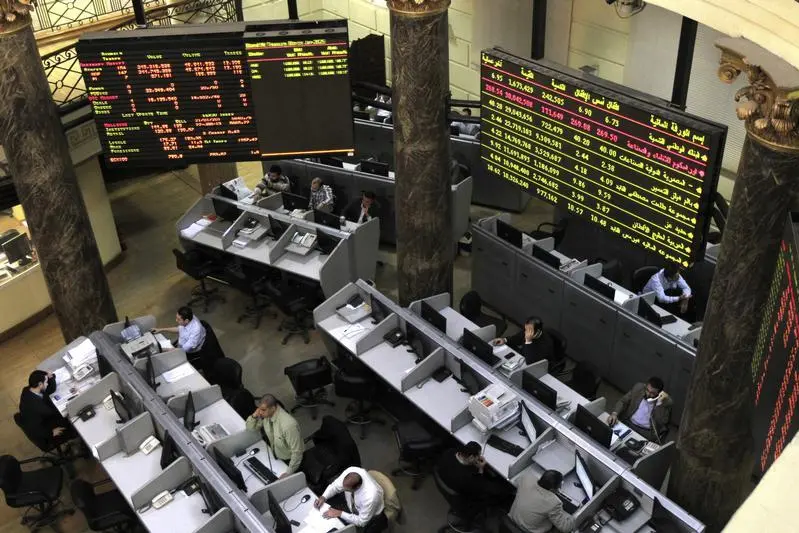
Besides the CMA headquarters, the KAFD will also comprise the stock exchange, banks, brokerage services, offices of lawyers, accounting and auditing firms, analysts, rating agencies, consultants, IT providers and a host of other financial institutions. The whole project will be executed over a three-year period. It will act as a centre where companies will be able to transact business, students come to learn, and where the best technocrats could serve the brightest minds.
The state of the art centre would encompass not only offices that will house the large community of professionals working within the financial sector, but also conference facilities, retail and recreational area that could be a focal point for the wider community.
Moreover, the KAFD will have offices, residences, educational and other support facilities for the community residing in the district. It will have an integrated transportation infrastructure complete with a mass transit system and the ability for pedestrians to move around the district.
A salient feature of KAFD will be the King Abdullah Financial Academy that will provide education for those working within the financial sector. It will act as a learning centre designed to inspire a new and growing generation of financial professionals. A grand mosque will also be constructed.
Support from industry
Both Basil M.Ghalayini, president of BMG, and Brad Bourland, chief economist of the SAMBA Financial Group, welcomed the move and said the new financial centre will give a big boost to the flailing stock market. Basil further added that BMG will move into the financial centre when it is ready.
Similar interest has been shown by Radisson SAS Hotel in Riyadh whose general manager Mohamed Benamar told Saudi MONEYworks that the hotel chain will explore the business possibilities from the district.
Experts also note that there was a need for such a financial district, since the Kingdom has thrown open the market for banks and financial institutions. There has been hectic activity since the liberalisation of the sector began. While international banks and financial institutions have made a beeline for the Kingdom, regional players like Albaraka Banking Group (ABG), one of the largest Islamic banks in the world, has announced its intentions to expand its network of branches to 250 within the next five years. At present the group has nearly 200 branches in 10 countries, including Egypt, Jordan, Lebanon, Algeria, South Africa, Turkey and Pakistan. Saudi Arabia is a logical next destination and the new financial centre is an incentive for institutions like the ABG.
The KAFD is also supported by the fact that the liquidity in Gulf Cooperation Council (GCC) economies has improved substantially in the last two years. The number of companies listed on the GCC stock exchanges rose from 492 at the end of 2004 to 579 in 2005, according to a report by the Kuwait-based Global Investment House (Global). The new financial district will be an ideal location for these companies when and as they plan to enter the Saudi market.
The new financial centre is also expected to boost region's IPO activity that saw companies raising new capital worth US$6 billion in 2005 in the Middle East, a staggering 100 per cent increase over the previous year. Apart from an improvement in corporate governance and disclosure practices in the recent times, the success of the new issues, one after the other, was greatly enhanced by the improvement in liquidity in the stock markets. The regional market capitalizations soared from US$120 billion in 2000 to over US$1 trillion in 2005, a growth of over 800 percent within a period of just five years. This was, of course, before the crash since when the markets have lost quite a bit of ground with 25 per cent of that market capitalization being wiped out.
According to Riyad Bank's Saudi Economic Review, market capitalization of the Kingdom's stock market was SAR280 billion in 2003 and SAR590 billion in 2003. Latest Tadawul data show total market capitalization was at SAR2, 423 billion in 2005. In a three-year long bull run since 2002, the Saudi stock market has created over SAR2.1 trillion in new wealth for the Kingdom's citizens.
The Saudi market was only second to the UAE market in the region raising US$1.7 billion in new capital in 2005. The UAE companies raised nearly US$1.9 billion through public subscriptions in the same period. KAFD is seen as the place where such placements could be handled.
© UAE MONEYworks 2006