06 July 2007
Iraq's Shiite and Kurdish leaders tried Thursday to convince the largest Sunni party to end a boycott of the Cabinet and Parliment that threatens to hold up passage of a key oil law sought by the United States. Amid the political deadlock violence continued to claim Iraqi lives. A car bomb killed at least seven people in south Baghdad Thursday, including several children, a hospital source said, adding that 20 people had been wounded in the attack in a mainly Shiite neighborhood called Abu Dshir. Police said that the car had been parked near a restaurant.
President Jalal Talabani, a Kurd, held talks with his Sunni vice president, Tariq al-Hashemi, about the Cabinet boycott and they agreed to hold a meeting of the Presidential Council - which includes the two of them and Shiite Vice President Adel Abdel-Mehdi - to discuss "all pending political matters," according to a statement from Talabani's office.
Hashemi is a leader of the Iraqi Accordance Front, whose four ministers began a boycott of Cabinet meetings to protest the way Premier Nuri al-Maliki handled legal proceedings against one of their Sunni colleagues.
The bloc's 44 legislators had earlier stopped attending Parliament to express anger over last month's vote by the Shiite-dominated legislature to remove the speaker, Mahmoud al-Mashhadani, a Sunni Arab.
The US, facing domestic unease over the war in Iraq, is pressing Iraqi leaders to pass a key oil law and other political benchmarks that it hopes will help reconcile majority Shiite and minority Sunni Arabs and Kurds.
Deputy Parliament Speaker Khaled al-Atiyya said Thursday that the draft oil law cannot be discussed unless the main Sunni bloc returns to Parliament.
"If the Accordance does not return, the law cannot be put forward. There are attempts to bring them back in order to put it for discussion in Parliament because this is an important law and concerns all Iraqi people and they should all review it," Atiyya said.
But Iyad al-Sameraie, a leading Sunni legislator, said a return of the Sunni ministers to the Cabinet did not mean Sunni lawmakers would come back to Parliament. The Cabinet boycott was sparked by an arrest warrant issued against Sunni Culture Minister Assad Kamal al-Hashemi, accused of masterminding an assassination attempt against a politician two years ago.
"The matters are different because our return to Parliament is linked to the return of Mashhadani, and our return to Cabinet will be after an arrest warrant against Minister Assad al-Hashemi is withdrawn. These matters cannot be mixed," he said.
The Front later issued a statement calling upon "all other political parties to [bring about] the return" of Mashhadani" to the speaker's post.
The statement also said that Sameraie was elected as the new chairman of the parliamentary bloc, replacing hard-liner Adnan al-Dulaimi, in a sign that it might be prepared to take a less combative stance in the negotiations that lie ahead.
The Sunni bloc's spokesman, Salem Abdullah, said the Sunnis were aware of the importance of the oil law but said it was "unwise" to push for approval now "in the midst of such a tense security environment." He suggested the Sunnis were more interested in amendments to the Constitution than in pressing forward with the oil bill.
A draft oil law was approved Tuesday by Cabinet and now must be debated in Parliament. But a number of legislators from both sides of the sectarian divide have halted their attendance.
Politicians loyal to Shiite cleric Moqtada al-Sadr, representing a bloc of 30 seats, pulled out in protest against the bombing of a Shiite shrine's minarets in the city of Samarra on June 13.
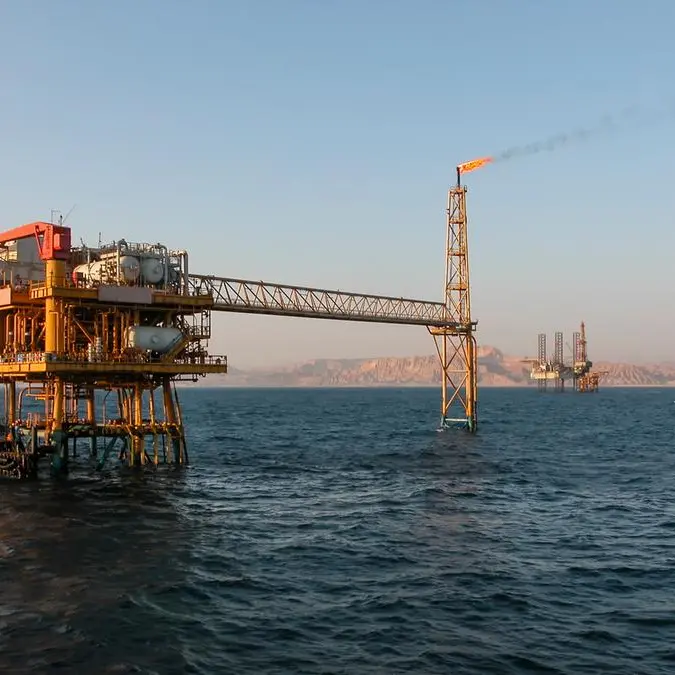
The law aims to regulate the oil industry and will determine the central government's role, and companion legislation that is nearly finalized sets how oil wealth will be shared among various regions. - Agencies