Thursday, Dec 16, 2004
Basra bears the ravages of its frontline status during two of Iraq's last three wars. Historically a cosmopolitan trading centre, the country's second-largest city was heavily bombarded in the 1980-88 war with Iran.
Saddam Hussein, former Iraqi president, punished Basra for its role in the 1991 Shia uprising by starving the city of new investment. Electric power runs on average one hour out of six, and the smell of untreated sewage pervades the city.
Iraq's south produces about two-thirds of the country's oil, but is today its poorest region. Now some federalist-minded local officials are tying hopes for revival to their country's shakily unfolding democratic process.
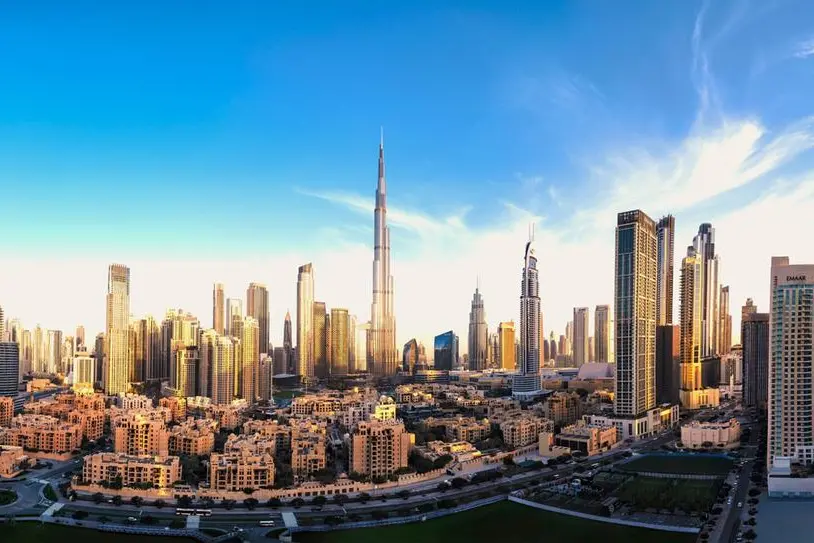
"We can develop Basra like Dubai or Hong Kong, that's what we want," says Abdul-Hafiz al-Atti, Basra's deputy governor. It would help if the city received a cut of Iraq's oil revenues. "Even 5 per cent is enough to compensate Basra for the last 35 years," he says.
Iraq's election next month will pit the country's disparate interests against one another in a democratic forum for the first time. Campaigning for the vote will officially begin today, which also marks the final deadline for parties to submit their candidate lists.
While religious, ethnic and tribal loyalties will play a prominent role in the campaign, regional grievances will also be aired. In the meantime, some areas of Iraq have already taken matters into their own hands.
Taking advantage of a clause in Iraq's transitional law that allows any three provinces to form a federation, religious and tribal leaders met in Najaf this month to discuss uniting five provinces in the central Euphrates region. Three southern provinces, including Basra, are discussing forming their own alliance similar to the self-ruling Kurdish north.
While no leading southern political figures support secession, debate on federalism has resonated strongly enough to bring words of warning from Iraq's interim prime minister. In an interview in Dubai this week in which he warned that Iraq's security problems might spawn a "new Hitler", Iyad Allawi said he preferred the status quo of a strong central government.
About half of Basra's 2m people will be eligible to vote in January's election for a national assembly that will draw up Iraq's new constitution. Parties representing Iraq's Shia majority are expected to perform well. A poster of leading Shia cleric Grand Ayatollah Ali al-Sistani enjoining his flock to vote hangs on one Basra wall.
More than 250,000 predominantly Shia refugees have returned to the Basra area since the 2003 US-led invasion, according to Mr Atti, mostly from Saudia Arabia or Iran. About 100,000 of those returning are homeless; the refugees are taxing Basra's already strained social infrastructure.
The tensions have prompted some politicians to campaign on local issues, including Sheikh Mansour Khalif al-Tamini. The owner of a local newspaper, he plans to run on a "national unity" list grouping diverse religious and secular parties. "The south has been marginalised and pushed out of the political field for years."
Mr Mansour wants to see a constitution that enshrines federalism, including through the creation of what he calls a "southern region" in Iraq. If the new constitution does not give the south its rights, he says he will campaign for a No vote on the document in a referendum scheduled to take place by October 2005.
Yet however strongly felt Basra's grievances are, some politicians are sceptical as to whether they will be addressed. Opinion polls suggest many Iraqis support a strong central government, in large part because of their country's security problems.
Southern politicians say they were under-represented in the process that produced the interim government. Some worry that a few large parties will form a coalition squeezing out smaller interests, including independent politicians from the regions.
"The politicians from the coming election will never give Basra fair representation," says Asra'a al-Sa'ad, who plans to run for Basra's council, to be elected in the same ballot on January 30. "Unfortunately, the great majority of candidates on these lists don't represent our people." For more reports: www.ft.com/iraq
By JOHN REED
Copyright The Financial Times Ltd 2004. Privacy policy.