PHOTO
SINGAPORE: Marine fuel sales at the United Arab Emirates' Fujairah port fell sharply to a fresh low in March after the U.S.-Iran conflict disrupted supply and demand in the key Middle Eastern bunker hub, according to latest data and trade sources.
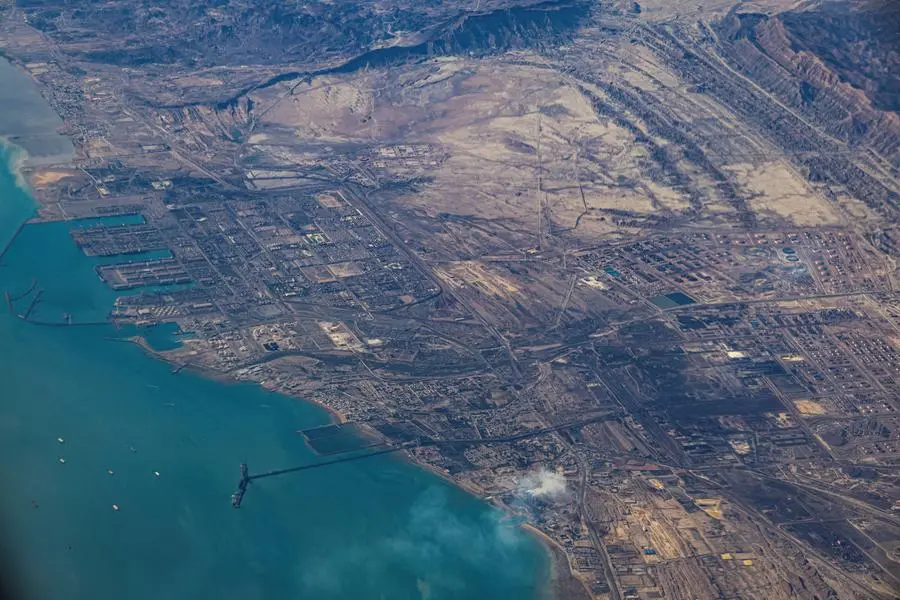
Located in the Gulf of Oman, just outside the Strait of Hormuz, Fujairah is a key refuelling point for ships carrying oil and fuel out of the region.
Bunker sales, excluding lubricants, totalled 158,852 cubic metres (about 157,300 metric tons) in March, the lowest on record, according to data from the Fujairah Oil Industry Zone published by S&P Global Energy and historical data available since 2021.
Volumes were down more than 70% from February as well as the same month last year.
The bunkering market in Fujairah remains constrained so far in April due to slow demand, UAE-based traders said, while few suppliers have available cargoes to offer.
"The ongoing conflict continues to choke trade and subsequently we are seeing demand destruction," marine fuel trader Dan-Bunkering said in a report this week, adding that cargo supply chains are pressured.
Heavy fuel inventories in the Fujairah storage hub fell to a record low recently, hitting 3.91 million barrels in the week to April 13, per data from the Fujairah Oil Industry Zone.
Some oil loading operations in Fujairah were partially halted in March after infrastructure attacks, while ships also avoided the port due to risks linked to taking bunkers there, trade sources said.
Neighbouring port Khor Fakkan, which has drawn some demand away from Fujairah in recent years, has also seen muted demand over the past few weeks, a trader active in the market there said.
Refuelling demand has instead diverted to bunker ports in other regions such as Asia, with Singapore logging stronger volumes in the first two weeks of the war.
(1 cubic meter = 6.29 barrels) (1 metric ton = 6.35 barrels for fuel oil) (Reporting by Jeslyn Lerh; Editing by Sonia Cheema)