Dubai, April 10th, 2008 (WAM) - With increasing global pressure to adhere to uniform emission standards, demand for aftermarket automotive fuel injectors is experiencing strong growth around the world as sales are projected to exceed 54.2 million units by 2010 according to industry estimates.
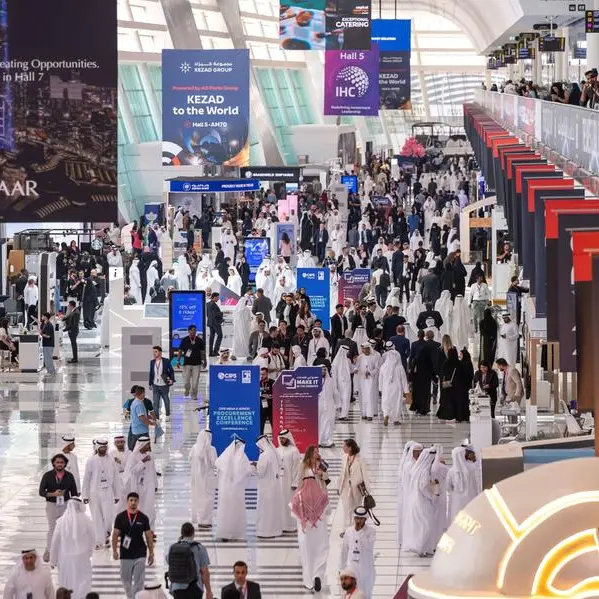
This growth trend is validated by Epoc Messe Frankfurt GmbH, organizers of Automechanika Middle East who are welcoming as many as 50 companies trading in fuel injectors at their show from a total of over 1000exhibitors. The event is scheduled to take place at the Dubai International Convention and Exhibition Centre from June 1 to 3 2008. ?Increasing government regulations have spurred the growth of the business as carburetors are being replaced by fuel injection systems driven by the pressing need to conform to uniform emission standards and Government environmental regulations,? said Eckhard Pruy, CEO of Epoc Messe Frankfurt. ?While carburetors continue to be used in several markets, fuel injection systems provide a clear-cut advantage over them for a complete replacement,? Mr. Pruy added. The market for automotive fuel injectors is growing at a CAGR of 4.05% through to 2010. Fuel injection systems with distinct features such as improved fuel efficiency and ignition control made possible by multipoint fuel injection and electronic control devices are developing as choice products. ?The strongest growth for automotive fuel injectors is expected to come from less industrialized markets such as Eastern Europe, Asia-Pacific (except Japan), and Latin America and other promising markets such as Middle East and North Africa,? remarked Michael Dehn, Senior Show Manager Automechanika Middle East. According to environmental experts more than 75 per cent of air pollutants are from vehicle emissions. ?Two factors point to a worsening air pollution situation in the Gulf - firstly the rapid pace of urbanization and secondly the motorization,? noted Mr. Dehn. Bahrain, Oman, Qatar, Kuwait and Saudi all have vehicle emission control regulations in place and vehicles require a roadworthiness test every three years. UAE conducts these tests every year once the vehicle has crossed the three year mark. Elsewhere in the Middle East, in Egypt for instance fuel sulphur levels were too high, in Iran emissions are being ignored totally, in Jordan the roadworthiness tests do not include emission testing according to the United Nations Environment Programme (UNEP). The automotive industry in the ME is experiencing brisk technological developments in the face of newly developed environmental regulations and emission standards. In light of fuel injector's effective performance, automakers are all set to replace traditional carburetors with efficient fuel injectors as their application increases significantly in both developed and developing countries. Fuel injectors are projected to experience immense demand led by rising application of fuel injection systems all over the world. Fuel injectors market is responsive to aftermarket demand in North America, Japan, and Western Europe while OEM demand controls the total market in less industrialized markets such as EasternEurope, Asia-Pacific (except Japan), and Latin America and other promising markets including the Middle East. In this scenario of significant demand, various exhibitors from Unites States, Europe, Southeast Asia and Middle East are using the Automechanika Middle East as a perfect platform to display new products andsolutions.Copyright Emirates News Agency (WAM) 2008.