PHOTO
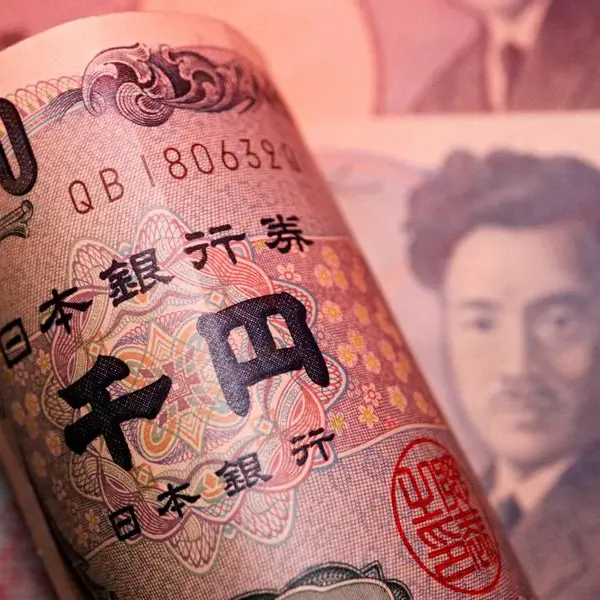
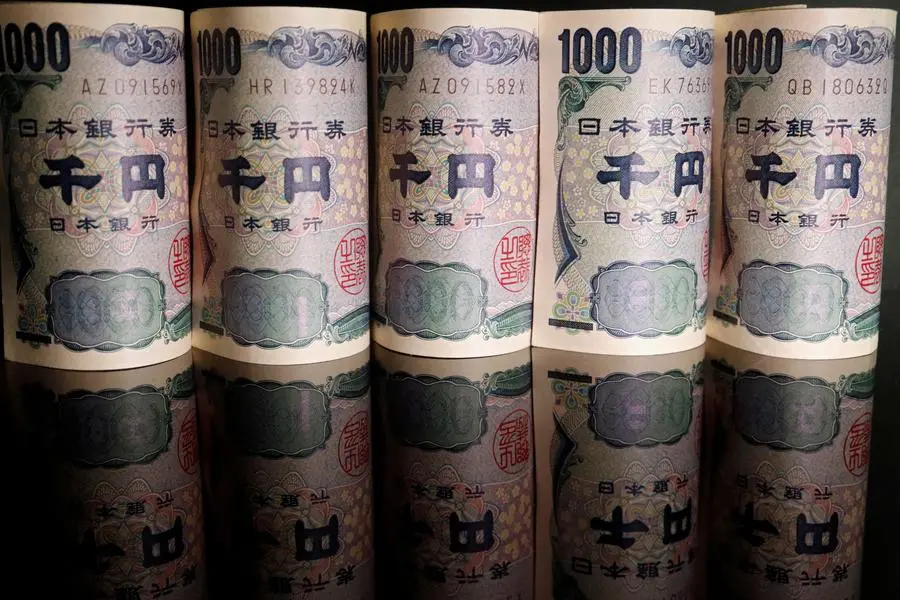
TOKYO - Japan is ready to respond appropriately to exchange-rate moves at any time, the government's top spokesperson said on Thursday as the yen's renewed slide tests Tokyo's resolve to prop up the sagging currency.
"We are ready to respond appropriately to currency moves as needed at any time," Chief Cabinet Secretary Minoru Kihara told a regular press conference, when asked about the yen's declines.
While a weak yen helps boost corporate profits by making it easier for manufacturers to export goods produced domestically, it increases the burden for firms and households through higher import costs, Kihara said.
"We need to scrutinise such effects comprehensively," he said, adding the government will closely watch market developments.
The comments followed a broad dollar rally, as rising bets the Federal Reserve's next move could be a rate hike, and not a cut, pushed the yen lower.
The yen briefly slid to 160.795 per dollar on Wednesday - levels unseen in nearly two years, wiping out gains made after Tokyo's intervention on April 30. It stood at 160.76 on Thursday.
The Bank of Japan's move to lift rates to a 31-year high on Tuesday has done little to steady its beleaguered currency, with its policy rate still at just 1%, well below the Fed's 3.50%-3.75% range.
Finance Minister Satsuki Katayama last week warned that authorities were "always prepared to take decisive measures."
But Japan's top currency diplomat Atsushi Mimura has remained silent on the yen since early May, around the time Tokyo resumed large-scale intervention.
Data showed Japanese authorities spent a record 11.7 trillion yen ($72.87 billion) intervening in foreign exchange markets between late April and early May to support the yen, but the effect was short-lived as the currency has since erased all post-intervention gains.
WIDENING RATE GAP
The Fed kept interest rates steady on Wednesday but signaled a likely hike later this year as inflation concerns mount, a hawkish tilt that spells trouble for Japan, where a persistently weak yen is driving up import costs and intensifying price pressures.
The energy shock sparked by the Middle East conflict has lifted fuel costs, prompting the BOJ to warn it risks falling behind the curve on inflation.
"The biggest change the BOJ made on Tuesday was to explain its rate hike as aimed at forestalling the risk of being behind the curve, rather than the result of Japan making progress in hitting its price target," said Seisaku Kameda, the central bank's former top economist.
If easing tensions in the Middle East continue to drag oil prices lower, the BOJ may feel less urgency to lift rates, said Kameda, now executive economist at Japan's Sompo Institute Plus.
"Still, it's likely to hike rates again either in October or December."
Prospects for further BOJ rate hikes, however, have done little to dispel market pessimism in the yen, with speculative net short positions climbing to the highest since July 2024, futures data showed on Friday.
"A key factor behind the acceleration of yen weakness to date has been the significantly widening gap between domestic and overseas monetary policies," Ataru Okumura, a senior rate strategist at SMBC Nikko Securities, said in a note.
With authorities stepping in intermittently, the dollar-yen is unlikely to break much above the 160 mark, he said.
"But recognising that this situation is not sustainable, the Bank of Japan will likely be forced to raise interest rates slightly earlier than anticipated."
($1 = 160.5600 yen)
(Reporting by Leika Kihara and Rocky Swift; additional reporting by Makiko Yamazaki; Editing by Jacqueline Wong and Shri Navaratnam)