PHOTO
Oil prices rose on Monday after Iran's Revolutionary Guards said they would target Israel's power plants and those supplying U.S. bases in the Middle East in retaliation against any attack on its electricity sector.
Brent crude futures were up $1.15, or 1%, at $113.34 a barrel by 0957 GMT. U.S. West Texas Intermediate was up 79 cents, or about 0.8%, at $99.02. Both contracts had swung $1 lower after an early $1 gain in volatile Asian trade.
WTI's advance narrowed its discount to Brent, which last week had blown out to its widest in 13 years.
"Oil prices are expected to remain stable to higher until it becomes clear whether the U.S. will, in fact, go ahead with attacking Iranian power plants," said PVM oil analyst Tamas Varga.
"It would draw significant retaliatory measures from Iran, sending prices considerably higher."
On Saturday, U.S. President Donald Trump threatened to "obliterate" Iran's power plants if it did not fully reopen the Strait of Hormuz within 48 hours, barely a day after he talked about "winding down" the war, now in its fourth week.
"Oil sentiment may lurch on threats and rhetoric in the near term, but its more durable direction will continue to be shaped by the state of Middle East oil flows," said Vandana Hari, founder of oil market analysis provider Vanda Insights.
The crisis in the Middle East is worse than the two oil shocks of the 1970s put together, Fatih Birol, executive director of the International Energy Agency, said on Monday.
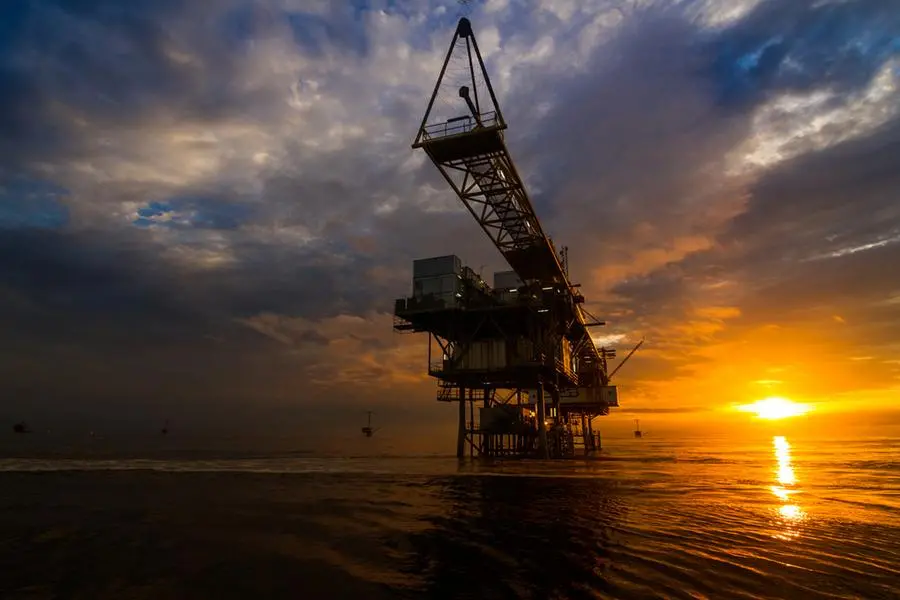
The war has damaged major energy facilities in the Gulf and nearly halted shipping through the Strait of Hormuz, which handles about 20% of global oil and liquefied natural gas flows.
Analysts estimated a loss of 7 million to 10 million barrels per day of oil production in the Middle East.
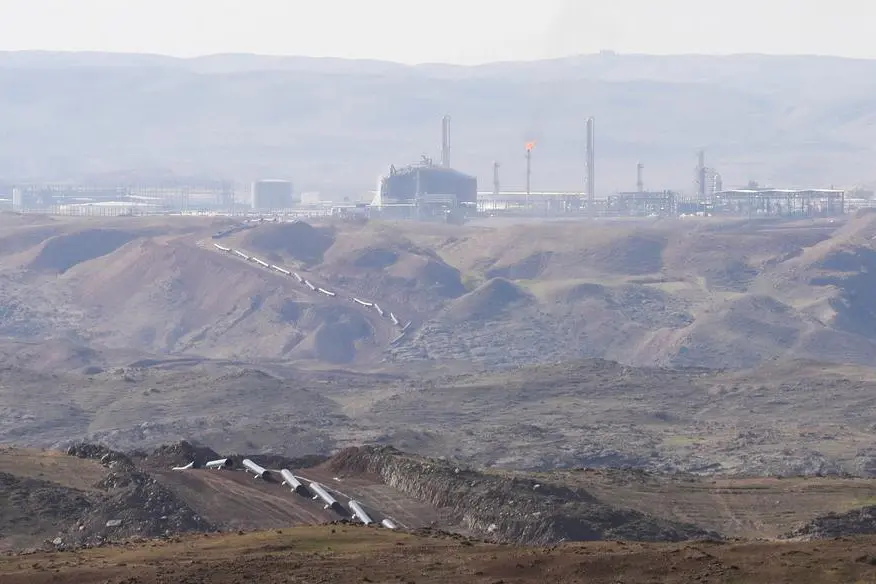
Iraq has declared force majeure on all oilfields developed by foreign oil companies, three energy officials said.
Crude production at Basra Oil Company has been cut to 900,000 bpd from 3.3 million bpd, Iraqi Oil Minister Hayan Abdel-Ghani said in a ministry statement.
Indian refiners plan to resume buying Iranian oil while refiners elsewhere in Asia are examining such a move, traders have said.
China's state-run refiner Sinopec does not intend to buy Iranian oil but is pushing for permission to tap state reserves, a senior executive said on Monday.
Meanwhile, the Baltic Sea ports of Primorsk and Ust-Luga, Russia's largest petroleum export outlets, have suspended exports of crude oil and fuel since Sunday after drone attacks, two industry sources told Reuters on Monday, adding to global shortages.
(Reporting by Seher Dareen in London, Mohi Narayan in New Delhi and Florence Tan in Singapore Additional reporting by Dmitry Zhdannikov Editing by David Goodman)