PHOTO
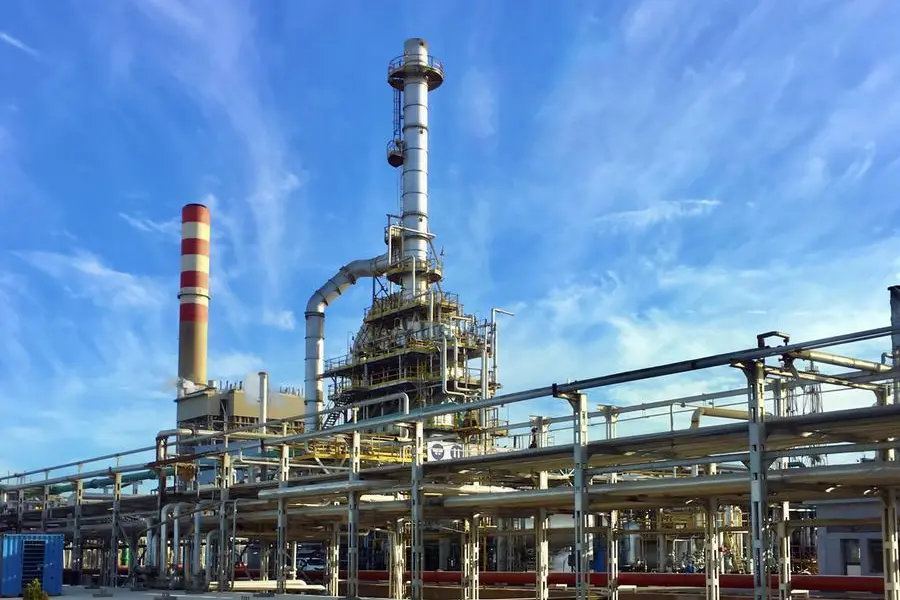
Gas and oil sites are among the most vital and high-risk pieces of critical infrastructure. This is especially true for the Mena region, which produces 30 per cent of the global oil supply and 17 per cent of the global gas supply, while having to account for active security risks and vulnerabilities that most of the world never considers.
Isolated refineries and miles upon miles of pipelines that stretch across remote sections of the desert make up a logistics network that, from upstream to down, is challenging to protect.
Recent conflicts show how volatile supply lines are and how impactful attacks on oil and gas sites can be to the global economy.
The target on their backs necessitates security measures that go beyond simple observation and ultimately help maintain continuity by actively protecting the workers who keep these sites operational.
THE CHALLENGES FACING OIL & GAS SITES IN THE MIDDLE EAST
While the Middle East is a diverse collection of countries, each with its own unique risks stemming from socioeconomic and sociopolitical factors, research points to a handful of common elements that complicate security efforts across borders.
As already referenced, geography and physical logistics play a central role. The Middle East’s energy infrastructure is among the largest on Earth, a scale that brings with it some inherent disconnection.
A lack of integration means each dispersed site is largely responsible for its own security, weakening its overall posture.
The Middle East’s environmental conditions, the heat and dust that limit visibility and degrade standard electronics, like security cameras, further complicate security.
Observation equipment must be designed to withstand them.
Finally, the demand for continuity and around-the-clock production places an extra burden on security teams.
Downtime in this sector can vary dramatically depending on the nature of the stoppage, but it carries a high cost to the owners responsible for operations and the global economy as a whole.
Site security must detect threats quickly and accurately at all hours of the day, which, through traditional means, requires an unattainable level of constant vigilance.
AI-powered cameras and analytics can mitigate the oil and gas industry's central struggles of inconsistent visibility and slow responses across sites
HOW AVIGILON AI & VIDEO ANALYTICS COMBINE TO MAKE GAS & OIL SITES SAFER
These challenges point to the need for a realignment of security and modern technology.
The slow, manually driven reactions of siloed legacy systems create a response gap that incurs hefty financial and safety penalties.
Systems that interpret can bridge this gap and act on emerging threats, transforming enormous quantities of video footage into actionable data.
AI-powered analytics enable continuous observation in real time.
Through pattern recognition and image analysis, these systems can detect perimeter breaches, unauthorised access and unusual movement patterns without requiring personnel to sit and physically watch a camera feed.
Avigilon AI-powered cameras can label and follow objects, but their true potential comes when combined with video management software (VMS).
Avigilon’s cloud-based Alta Video VMS and the on-premise Unity Video VMS form the backbone of a security ecosystem, simultaneously aggregating feeds from across dispersed sites and processing footage to generate automatic alerts and strategic insights.
Centralised VMS represents a step towards the integration that Middle East oil and gas sites need to meet evolving demands. Operators can:
• Observe multiple sites from one control room.
• Receive and verify AI alerts with accompanying footage that provides context.
• Search through stored footage for investigations using smart AI tags to label objects and events of interest.
One complication that integration brings when applied across several large facilities is alert fatigue.
Animals and humans can trigger alarms with unexpected yet otherwise innocuous movements, and when all alerts are sent to a centralised location, these false positives quickly add up, overwhelming security staff.
Avigilon AI-enabled systems filter through false alerts before they reach operators, helping ensure only genuine threat notifications surface.
Teams can focus on genuine risks without sifting through events that don’t require action.
By providing teams with immediate, verifiable evidence of emerging threats, they can quickly coordinate countermeasures that minimise downtime and help keep workers safe.
AI video analytics also support long-term security planning.
Through incident patterns, this technology can identify perimeter weaknesses and patrol route blind spots, informing future routines.
AI-powered cameras and analytics can mitigate the oil and gas industry’s central struggles of inconsistent visibility and slow responses across sites.
Avigilon’s weather, heat and dust-resistant devices, when combined with VMS, create a resilient, interconnected network that helps secure critical infrastructure even in harsh environments.
Avigilon systems deliver real-time visibility across vast and complex sites
SECURING FUTURE OPERATIONS IN THE MIDDLE EAST
The Saudi Vision 2030 project and the UAE Energy Strategy 2050 indicate a unified push towards digital securities that enhance accountability and sustainability.
Balancing the expectations for modernisation with broader regulatory frameworks governing safety requires finding security strategies that align with this transformation.
By delivering real-time visibility across vast and complex sites, Avigilon systems help operators detect threats earlier, respond faster and maintain oversight of critical assets.
Combined with VMS, they support both immediate decision-making and long-term risk management, addressing the priorities of these regional initiatives and the real operational threats that oil and gas sites must contend with.
Copyright 2026 Al Hilal Publishing and Marketing Group Provided by SyndiGate Media Inc. (Syndigate.info).