PHOTO
LONDON - Oil prices extended gains on Monday, with Brent heading for a record monthly rise, after Yemeni Houthis launched their first attacks on Israel, widening the U.S.-Israel war against Iran.
Brent crude futures jumped by $3.20, or 2.8%, to $115.77 a barrel by 0933 GMT after settling 4.2% higher on Friday. U.S. West Texas Intermediate was up $1.87, or 1.9%, at $101.51 after a 5.5% gain in the previous session.
"The market has all but discounted the prospect of a negotiated end to the war, Trump’s claims of ongoing 'direct and indirect' talks with Iran notwithstanding, and is bracing for a sharp escalation in military hostilities," said Vandana Hari of oil market analysis provider Vanda Insights.
As more U.S. troops arrived in the Middle East, U.S. President Donald Trump said that the U.S. and Iran have been meeting "directly and indirectly" and that Iran's new leaders have been "very reasonable".
However, the Israeli military said on Monday that it was attacking the Iranian government's infrastructure throughout Tehran.
Oil price rises were dampened only temporarily by Trump saying he would pause attacks on Iran's energy network until April 6.
'MARKET LOOKING FOR CONCRETE SIGNS OF DE-ESCALATION'
"Trump's extended deadline of April 6 – when the U.S. could potentially resume attacks on Iranian energy infrastructure – has had no reassuring effect. The market is now asking for concrete signs of de-escalation, not just rhetoric," SEB Research said in a note.
Brent has soared about 60% this month, the steepest monthly jump in LSEG data going back to 1988, exceeding gains made during the 1990 Gulf War. U.S. crude, meanwhile, has climbed by 52% for its biggest monthly gain since May 2020.
The huge gains have been propelled by Iran's effective closure of the Strait of Hormuz, a conduit for a fifth of the world's oil and gas supplies.
The conflict launched on February 28 with U.S. and Israeli strikes on Iran has spread across the Middle East, raising concern about shipping lanes around the Arabian Peninsula and the Red Sea.
The Israeli military said on Monday that Iran launched multiple waves of missiles at Israel and an attack had also been launched from Yemen for only the second time since the war began.
"The conflict is no longer concentrated in the Persian Gulf and around the Strait of Hormuz, but now extends into the Red Sea and the Bab el-Mandeb — one of the world's most crucial chokepoints for crude and refined product flows," JP Morgan analysts led by Natasha Kaneva said in a note.
Saudi crude exports redirected from the Strait of Hormuz to the Yanbu port in the Red Sea reached 4.658 million barrels per day last week, data from analytics firm Kpler showed.
If exports from Yanbu were disrupted, Saudi oil would need to pivot toward Egypt’s Suez-Mediterranean (SUMED) pipeline to the Mediterranean, JP Morgan analysts said.
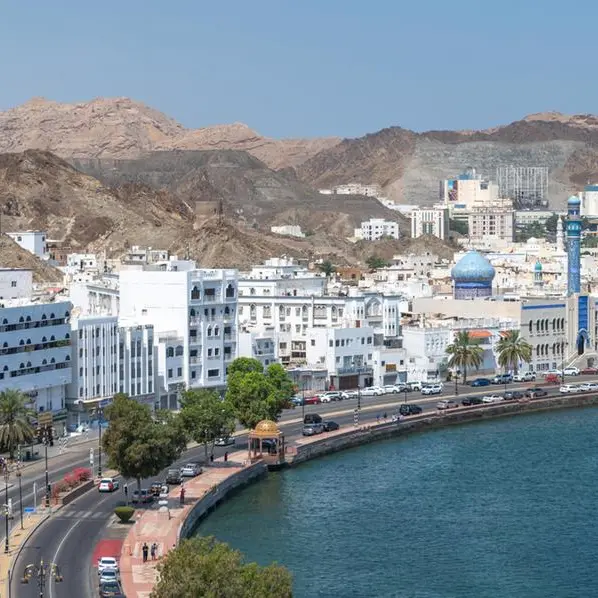
Attacks in the region escalated over the weekend and damaged Oman's Salalah terminal despite efforts to start ceasefire talks.
IRAN SAYS IT IS READY FOR U.S. GROUND ATTACK
Iran said it was ready to respond to a U.S. ground attack, accusing Washington on Sunday of preparing a land assault even as it sought negotiations.
Pakistan's Foreign Minister Ishaq Dar said they had covered possible ways to bring an early and permanent end to the war in the region as well as potential U.S.-Iran talks in Islamabad. Separately, Vietnam's Binh Son Refining and Petrochemical said on Monday that it was in talks with Russian partners to buy crude oil. The company said it would also buy more crude from Africa, the U.S. and Southeast Asia.
The European Union faces no immediate supply shortages, but there is tightening in diesel and jet fuel markets, an EU briefing document showed on Monday.
(Reporting by Stephanie Kelly in London, Mohi Narayan in New Delhi and Florence Tan in Singapore Editing by David Goodman)