15 January 2017
Rising consumer confidence and aggressive tactics by banks saw the number of credit card applications surge by 54.75 percent in the United Arab Emirates last year, up by over a half from 2015, according to a new survey by Dubai-based financial services website, compareit4me.com.
The majority of the new applications were for conventional credit cards, up by 134.23 percent year-on-year, while the number of Islamic credit card applications decreased by 8.57 percent, compareit4me.com said in a press statement on Sunday.
The salary group that recorded the highest number of applicants was those earning between 20,000 and 29,999 dirhams ($5,445 - $8,167) per month, with this category recording a 240 percent increase in demand during the year.
“It must be noted, however, that UAE banks in the region have been aggressively targeting customers earning over 20,000 dirhams per month. So the numbers we’ve seen could also be a reflection that the banks’ targeting strategies paid off in 2016,” Samer Chehab, chief operations officer at compareit4me.com was quoted as saying. The website is operational in nine Arab countries: the UAE, Qatar, Bahrain, Kuwait, Saudi Arabia, Oman, Egypt, Lebanon and Jordan.
Chehab also said that the hike in the credit card applications, especially in the 20,000 to 29,999 UAE dirhams salary bracket, was also due to promotions offered by some banks, such as airport lounge access and shopping discounts.
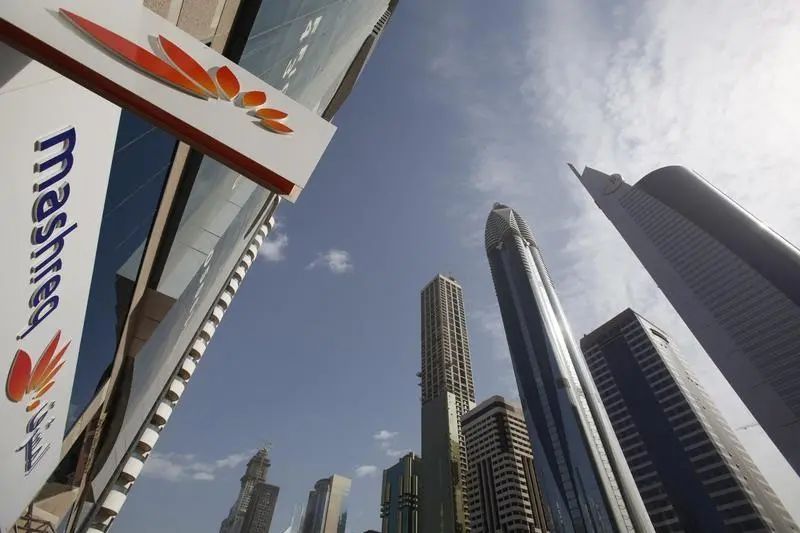
The UAE’s Mashreq bank and Novo Cinemas, a cinema chain in the Middle East, launched a partnership in December that would grant cardholders discounts on cinema tickets. Read more here.
The report also added that participants earning 5,000 to 9,999 dirhams per month recorded a 58.77 rise in credit card applications, while there was a 141.53 percent increase among participants earning 10,000 to 19,999 dirhams.
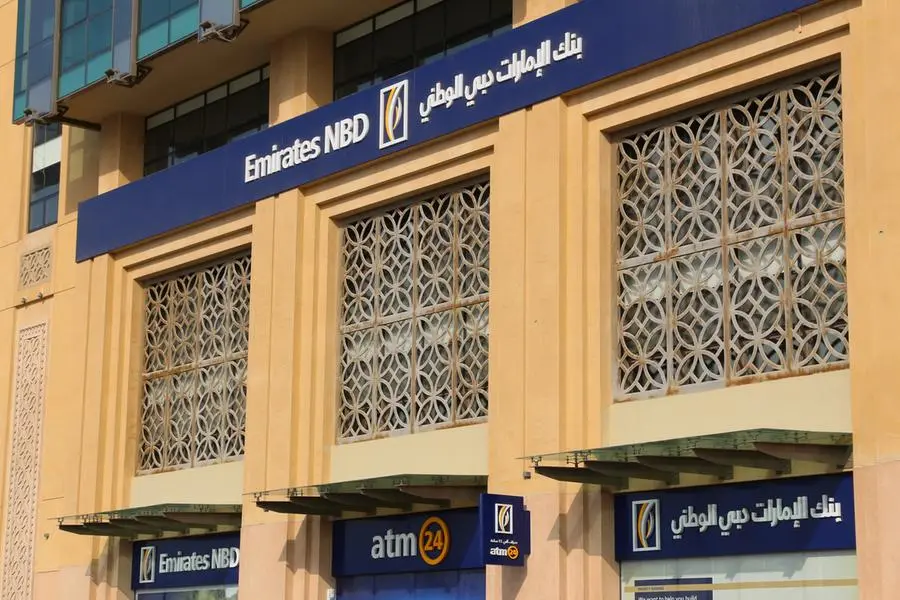
American Express proved to be the most popular provider, account for 22.49 percent of applications in 2016 followed by Citibank (15.04 percent), Abu Dhabi Commercial Bank (13.29 percent) Union National Bank and Emirates NBD.
The number of card providers offering cashback on utilities, telecom and school fee payments also doubled in 2016, the report found.
“There certainly seems to be an understanding among consumers that, if used appropriately, credit cards can deliver savings on everyday expenses. What’s more, the cards that offer cashback on bill payments also tend to come with other benefits. This is a function of banks trying to target financially savvy customers who will be reliable debtors. If you’re in that group, you have plenty of choice when it comes to finding a great card,” Chehab said.
The UAE banking sectors, like many other industries in the country, had been suffering over the past few years due to the slowdown in economic growth in the region, mainly due to the decline in oil prices over the last two years.
Read more here:
Liquidity tightening in UAE banking sector moderates
UAE banks slow down as oil price bites
© Express 2017
Rising consumer confidence and aggressive tactics by banks saw the number of credit card applications surge by 54.75 percent in the United Arab Emirates last year, up by over a half from 2015, according to a new survey by Dubai-based financial services website, compareit4me.com.
The majority of the new applications were for conventional credit cards, up by 134.23 percent year-on-year, while the number of Islamic credit card applications decreased by 8.57 percent, compareit4me.com said in a press statement on Sunday.
The salary group that recorded the highest number of applicants was those earning between 20,000 and 29,999 dirhams ($5,445 - $8,167) per month, with this category recording a 240 percent increase in demand during the year.
“It must be noted, however, that UAE banks in the region have been aggressively targeting customers earning over 20,000 dirhams per month. So the numbers we’ve seen could also be a reflection that the banks’ targeting strategies paid off in 2016,” Samer Chehab, chief operations officer at compareit4me.com was quoted as saying. The website is operational in nine Arab countries: the UAE, Qatar, Bahrain, Kuwait, Saudi Arabia, Oman, Egypt, Lebanon and Jordan.
Chehab also said that the hike in the credit card applications, especially in the 20,000 to 29,999 UAE dirhams salary bracket, was also due to promotions offered by some banks, such as airport lounge access and shopping discounts.
The UAE’s Mashreq bank and Novo Cinemas, a cinema chain in the Middle East, launched a partnership in December that would grant cardholders discounts on cinema tickets. Read more here.
The report also added that participants earning 5,000 to 9,999 dirhams per month recorded a 58.77 rise in credit card applications, while there was a 141.53 percent increase among participants earning 10,000 to 19,999 dirhams.
American Express proved to be the most popular provider, account for 22.49 percent of applications in 2016 followed by Citibank (15.04 percent), Abu Dhabi Commercial Bank (13.29 percent) Union National Bank and Emirates NBD.
The number of card providers offering cashback on utilities, telecom and school fee payments also doubled in 2016, the report found.
“There certainly seems to be an understanding among consumers that, if used appropriately, credit cards can deliver savings on everyday expenses. What’s more, the cards that offer cashback on bill payments also tend to come with other benefits. This is a function of banks trying to target financially savvy customers who will be reliable debtors. If you’re in that group, you have plenty of choice when it comes to finding a great card,” Chehab said.
The UAE banking sectors, like many other industries in the country, had been suffering over the past few years due to the slowdown in economic growth in the region, mainly due to the decline in oil prices over the last two years.
Read more here:
Liquidity tightening in UAE banking sector moderates
UAE banks slow down as oil price bites
© Express 2017