Kingdom's land values tripled in five years
Fanned by rising construction costs, a fast-growing property and rental market as well as mounting foreign and regional investments in the country's numerous mega-development projects during the past two to three years, Bahrain's real-estate and land prices have demonstrated a predilection for consistently ascending to higher altitudes within the stated time frame.
According to conservative estimates, the Kingdom's land values over the past five years have tripled for prime residential areas with some even increasing by nearly 600 per cent, or 120 per cent year on year, with regard to major commercial premises. Concerning rental prices, the story is no different.
In fact, the apparently frenzied hike in land values has led more than three-fifths of real-estate management firms to maintain that leasable property which has endured an average 50 per cent climb throughout the last 24 months is set to rise further by the same percentage in the next half a decade or so. Less than 40 per cent of the agencies, however, determine that due to a prospect of a more stabilised market in the immediate future, the expected jump should be shaved down to around 35 and 45 per cent.
Only 1 per cent of the rental market now offers the middle-income consumer leases allowing them to make monthly payments within the BD 150-BD 250 range. With countless infrastructural projects underway and in the pipeline as well as no sign of easing investor enthusiasm in mining Bahrain's real-estate sector riches, indicators of a respite in soaring property and rental values, for prime areas or otherwise, have begun to fade over the horizon.
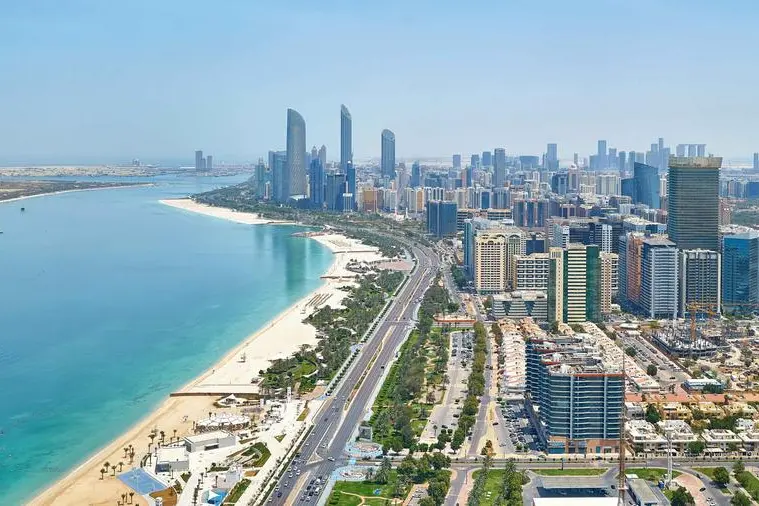
Despite massive leaps and bounds witnessed in land and developed property prices, industrial sentiment seems to be content in leaning towards the side of caution when it comes to ascertaining whether the country's overall real-estate market is at the threshold of maturity or at the centre of a whirlwind growth phase. Ninety-five per cent of property investment and management entities carry the view that, although the current price spike in the Kingdom's property market presents some cause for concern, especially from the consumers' perspective, Bahrain's sector remains at the bottom of the inflation scale compared to GCC real-estate champions like Dubai and burgeoning Abu Dhabi.
This stance shows a significant majority of the country's real-estate players remain quite optimistic about the continued growth prospects of their core market. Albeit many do concede that a stabilisation of the general sector will be due within the coming five to 10 years.
By Yauvapa Siriwattasit
© Bahrain Tribune 2007