PHOTO
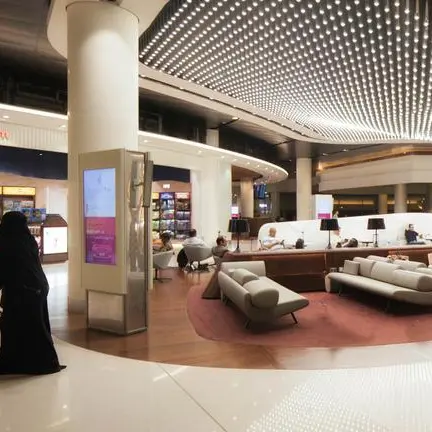
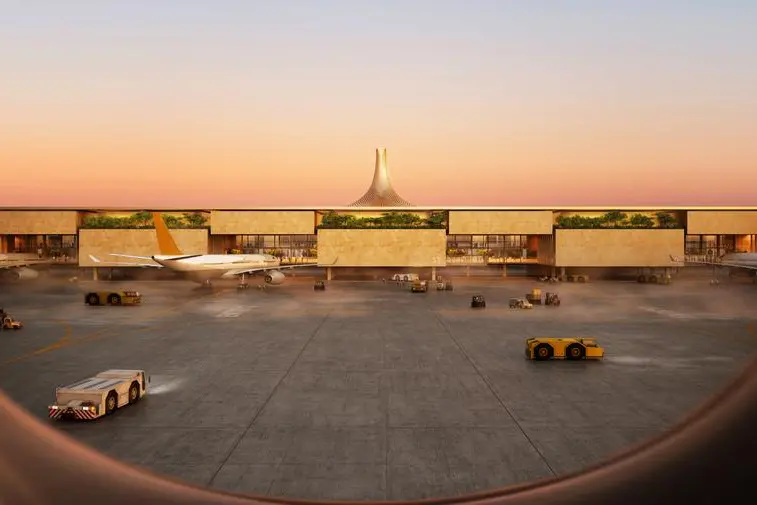
RIYADH — King Khalid International Airport, operated by Riyadh Airports Company, announced the completion of its operational terminal transition project carried out from Feb. 16 to 25, marking the largest change since the airport’s establishment.
The transition enhanced connectivity between domestic and international flights, improved passenger experience and boosted operational readiness in line with the rapid growth in traveler numbers and the phased expansion targets of the capital’s airport.
The reallocation was implemented under a comprehensive operational plan prepared in coordination with all airport partners and stakeholders.
Airlines were redistributed across terminals to optimize infrastructure use, reduce transfer times between domestic and international terminals for national carriers and shorten waiting times, particularly for transit passengers.
Under the new distribution, Terminals 1 and 2 were designated for international flights of national carriers, while Terminals 3 and 4 were allocated for domestic flights of national carriers.
Terminal 5 was assigned to international flights of foreign carriers.
The restructuring improved passenger flow management, enhanced operational efficiency and increased terminal capacity.
Riyadh Airports CEO Ayman Abu Abah said the success of the transition reflects the stability of flight operations and high schedule adherence, crediting the achievement to the support of the Ministry of Transport and Logistics Services, the General Authority of Civil Aviation and Matarat Holding Company, as well as the collaboration of security sectors, airport entities and national and foreign airlines.
He noted that more than 650 guides were deployed to assist passengers during the transition, alongside integrated operational systems and real-time coordination between stakeholders.
Supporting measures included one hour of free parking, complimentary inter-terminal transport via taxis and Riyadh Metro, and shuttle buses operating every four minutes, all contributing to a smooth passenger transfer experience.
Operational data during the transition period highlighted the scale of activity, with 1,046,016 arriving and departing passengers across more than 7,650 flights in all terminals.
The successful transition is expected to raise the annual capacity of Terminals 3 and 4 from 16 million to 25 million passengers.
Overall airport capacity is projected to increase from 42 million passengers in 2025 to 56 million by the end of 2026, representing growth exceeding 33 percent.
Transit passenger capacity is also set to rise to 7.5 million annually, reinforcing the airport’s role as a regional and international hub.
© Copyright 2026 The Saudi Gazette. All Rights Reserved. Provided by SyndiGate Media Inc. (Syndigate.info).