Tuesday, May 24, 2011
Gulf News
Dubai: The UAE economy is recovering in an increasingly uncertain regional environment, the International Monetary Fund (IMF) yesterday said.
Benefiting from high oil prices and strong demand from traditional trading partners, non-hydrocarbon GDP growth is projected to accelerate from 2.1 per cent in 2010 to 3.3 per cent in 2011, IMF said in its latest updated country report released yesterday.
The real estate overhang and short-term refinancing needs from overleveraged government-related entities (GREs) continue to weigh on the near-term outlook.
Downside risks to the recovery relate to possible economic spill-overs of regional events, including the re-pricing of risk, it said.
Nevertheless, the successful restructuring of Dubai Worlds debt improved market confidence, allowing top-grade Dubai issuers to regain market access. However, Dubai spreads remain high reflecting the risks posed by further potential debt restructuring needs, the report said.
The IMF supported the UAEs response to the unfolding events in the region as appropriate.
The IMF advised the UAE to consider replacing the subsidies on water and electricity with cash transfers to lower-income households. Improved infrastructure in the northern emirates will help raise the standards of living in these areas.
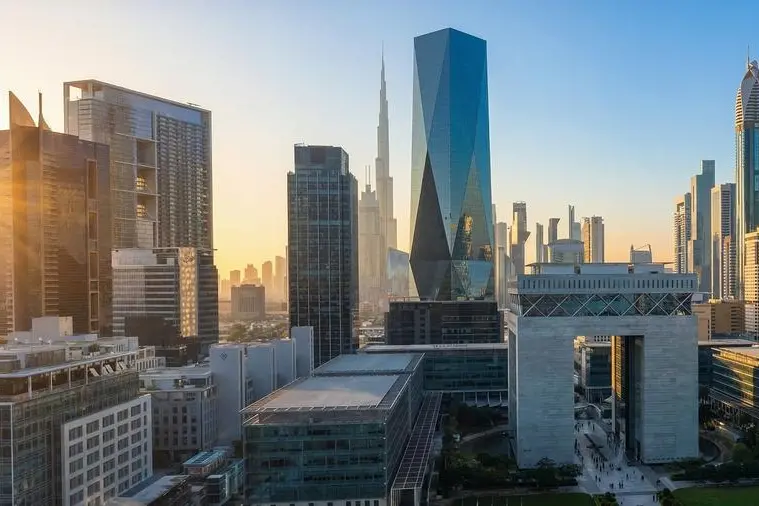
Dr Nasser Saidi, Chief Economist of Dubai International Financial Centre, said, Dubai has become in a very short time one of the pivotal trading, business and tourism hubs in the world.
Regional events
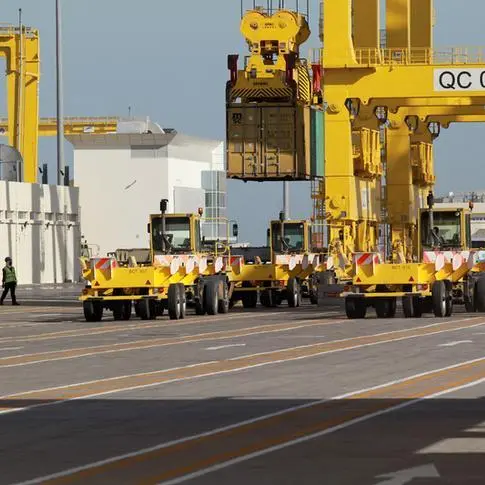
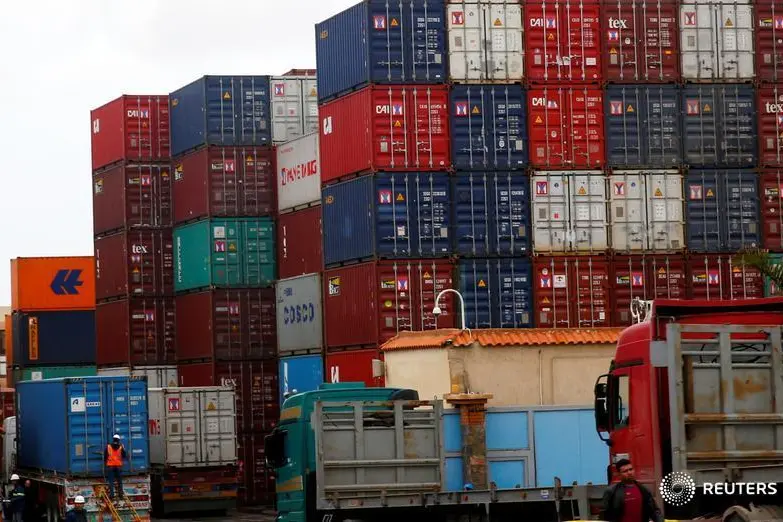
Taking advantage of its location mid-way between Asia and Europe, its ports today are among the most active and efficient in the world.
Dr Amjad Hossain, Professor of Economics at Al Ain University, said, With improved infrastructure, the UAE could count on increased investments that could help economy to keep on growing.
The other concerns about rollover risks could be mitigated through restructuring.
In light of the still fragile recovery, the IMF recommended that the countrys short-term policies should focus on supporting domestic demand, and adjust to the economic spillover from unfolding regional events.
An overall neutral fiscal policy stance following last years fiscal contraction would support the economic recovery, while Dubai should consolidate, the report said. To ensure efficiency of spending, the government should undertake cost-benefit analyses and implement the projects that have high economic return.
Public-private partnerships could help mitigate risks and help the government to push project implementation.
Public-private partnerships [PPP] in the regional power sector will help mitigate the risks, Dr Saidi said.
The report comes a few days after Dubais Supreme Fiscal Committee asked the government departments to reduce spending by 20-25 per cent that could help the emirate save up to Dh3.5 billion in the next two years.
The IMF said the UAE Central Bank should be ready to inject liquidity should the market require.
The central bank should also stand ready to provide liquidity to the market in case the re-pricing of risk in the region triggers a reversal of the recent deposit inflows to the banking sector, the IMF said. The banking sector suffers from high levels of bad debts.
By Saifur Rahman, Business Editor
Gulf News 2011. All rights reserved.