Exports to rise in the Region
he Oil and Gas Committee of the Iraqi Council of Representatives willdiscuss the oil deals signed by the Kurdistan Regional Government withinternational oil companies during the past few years.
The discussion is based on the Iraqi Ministry of Oil's objectionsand disagreements with the 40 Production Sharing Contracts (PSCs) theKRG has signed with oil companies after the decree of the regional Oiland Gas Law in mid 2007.
The contracts were not recognized by the Federal Oil Ministry,which it claims are illegal as the ministry is the sole government bodyauthorized to sign oil contracts in the entire country.
The ministry, and its former Minister Dr. Hussein al Shahristani,argue that the federal oil and gas law constitutes the framework foroil and gas activities in the country and defines the rights andresponsibilities of the central government and the regions. Because thecontracts were signed before the decree of that law, they are illegal.
Kurdish Region authorities, on the other hand, claim they draftedthe oil and gas law and signed all PSCs in full compliance andaccordance with the Iraqi Permanent Constitution, and that all the oiland gas activities are conducted with that in mind.
Another subject of disagreement between the federal and regionalgovernments was compensation for the oil companies working in theRegion. Baghdad refuses to pay fees to the oil companies working inKurdistan, while requiring the Region to return all revenues from theexports to the federal government, something which Kurds thought unfairand did not accept.
These issues and disagreements between Baghdad and Erbil have ledto many problems in the past, including a halt in oil exports fromKurdistan Region for approximately two years. Exports resumed earlythis year as part of a temporary agreement between Iraqi Prime MinisterNuri al Maliki and Kurdish Prime Minister Barham Salih.
While the Oil Ministry and Al Shahristani believe the oil contractsshould be rescinded and they should be re-signed with the federalgovernment, according to its regulations, a member of the IraqiParliament who is also a member of the Oil and Gas Committee thinks theissue is not serious, and could be solved easily.
MP Furat al Sharei says that the Oil Ministry is "overreacting" tothe issue. "All that needs to happen is the contracts need simplereviews to make sure they are within the legal framework set by the OilMinistry," he said.
The Federal Oil Ministry last week renewed its rejection of thecontracts awarded by the KRG to 40 companies, including Norwegian oilfirm DNO, declaring them illegal.
It is expected that the discussions on the issue will be a positivestep, as this might lead to the official recognition of the KRGcontracts by the federal government.
Much of the confusion stems from the failure of the last Iraqigovernment to pass a new oil and gas law which would have seen theclearer demarcation of responsibilities of the different bodies.Currently, the Oil Ministry and the Federal Oil Council haveoverlapping roles.
The Oil and Energy Committee has, on the other hand, issued anofficial request to the government to postpone a new round of oillicensing.
Adnan al Janabi, chairman of the Oil and Energy Committee, told aKurdish news agency that it issued a request to the Ministry of Oil andbased on the fact that the national oil and gas law has not yet beenapproved. This means, according to al Janabi, there is a lack of clearstructure, and the Ministry of Oil has not done enough research intothe economic feasibility of possible licenses.
"The Oil and Energy Committee hopes the oil and gas law will beapproved as soon as possible and that those looking to block it forpolitical reasons understand how hard it is for the ministry to carryout its work without the law and the formation of a federal council,"he said.
The ministry has already announced it will launch another round oflicensing with the specific intention of pushing for more gasexploration rather than oil exploration. Iraqi Oil Minister Abdel Karimal-Leabee announced at the beginning of April his ministry'swillingness to work with foreign companies dedicated to investing in 12new exploration locations for oil and gas.
The Iraqi Oil Ministry announced in October 2010 it had increasedthe oil reserves by 24 percent to reach 143.1 billion barrels, up from115 billion barrels.
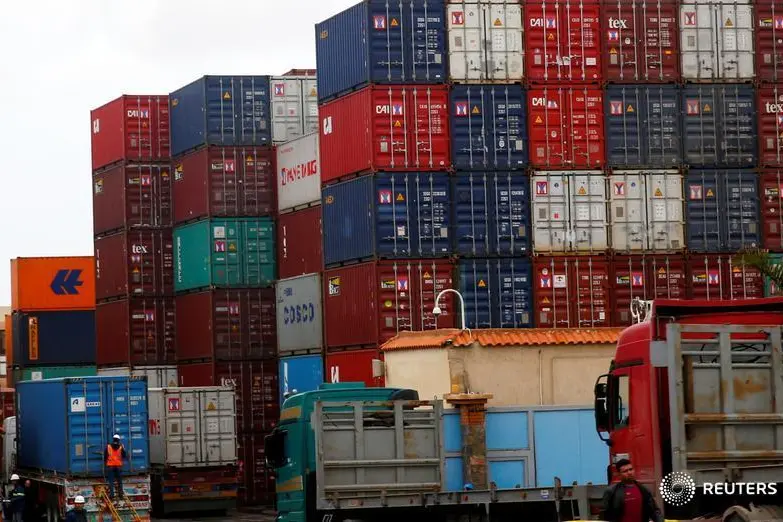
In Kurdistan Region, on the other hand, oil companies believe dailyoil exports from the Region could increase by 400 percent by 2015 toreach some 500,000 barrels per day. Currently, the Region exportsaround 120,000 barrels per day from the Taq Taq and Tawke oilfields.
According to Oil and Gas Magazine, while the oil issues betweenBaghdad and Erbil are still pending, Kurdistan Region is expected toraise exports to up to 1 million barrels per day in the next five days.
© The Kurdish Globe 2011