A financial system based on principles of trust, ethics and partnership can become a partner in the development of your business.
Accelerate SME
March 6, 2013
A financial system based on principles of trust, ethics and partnership can become a partner in the development of your business. The Islamic banking and finance industry has developed from what was once a niche exotic product to take its place as part of the mainstream in a matter of just 40 years. Naturally the curiosity associated with this alternative financial system has also intensified. In this article, we explain its basics.
Islamic banking and finance is intended to serve the same underlying purpose as any other conventional bank or financial institution: to intermediate funds from those who have capital (capital rich) to those who need it (capital deficient). However, as the saying goes, 'God is in the details'.
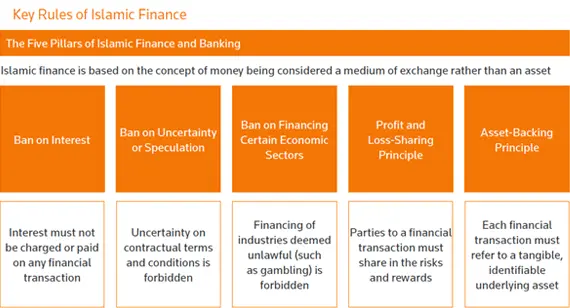
To put it simply, 'Islamic banking' refers to a system of banking that is consistent with the principles of Islamic law (sharia) and guided by an Islamic perspective on economics. Common with the three Abrahamic faiths, the principal prohibition relates to the giving or taking of interest (usury or riba). Other elements include avoiding investments in businesses that are considered unlawful or harmful to society (e.g. businesses dealing with alcohol, pork, gambling), avoidable ambiguity or uncertainty in the provisions of contracts.