As the turmoil continues to escalate across Syria as part of the Arab Spring protests, the prices of products typically imported from this country and its bordering neighbors, especially goods such as fruits and vegetables, are going up too.
Arab News toured several convenience stores, supermarkets and also visited the local Jeddah vegetable market to get a firsthand idea of why prices have skyrocketed by as much as 20 to 30 percent. Items such as tomatoes have risen over the past 10 days from SR 8 to SR 10 per small carton to SR 14 to SR 16. Cauliflower witnessed a price hike from SR 28 to SR 40 for a large carton and fruits such as apples, which have been marked up from SR 12 to SR 18 per bag.
"The reason for the price increases over the past couple of weeks is the shortage that the Saudi market is starting to feel on items imported particularly from Turkey and Syria," said Ghassan Ali, an owner of a vegetable stand in Jeddah.
Ali explained that the shortage is a direct result of a simultaneous decision by Syria to close its border with neighboring Jordan as well as Turkey's move to tighten its borders with Syria due to security concerns two weeks ago.
"Many private farmers are still working on the farms outside the Syrian cities, despite the protests, but they simply cannot transport the goods out of Syria through Jordan and into Saudi Arabia as in the past," Ali said, adding that increased transportation costs are being passed onto consumers.
Turkey has faced the same problem in trying to uphold trade agreements with Saudi Arabia and other members of the Gulf Cooperation Council (GCC), since the protests in Syria began 13 months ago.
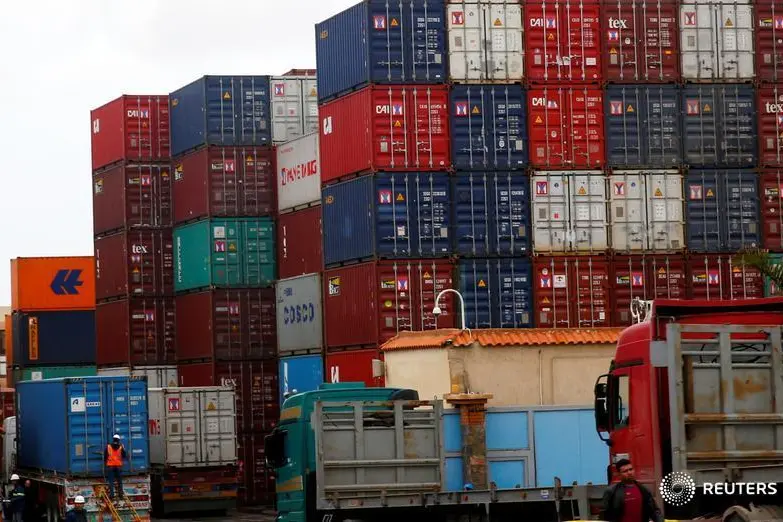
According to Turkish media reports, the country has been relying on bypassing Syria and using a roll-on/roll-off shipping line, or Ro-Ro line, via Egyptian ports to ship to the GCC.
The Turkish-English publication, Today's Zaman reported last month that Syria's suspension of the free trade agreement has cost Turkey immensely, with customs duties for Turkish goods increasing by 30 percent and doubling transportation costs for Turkish trucks.
The same report, citing Kemal Kacmaz, head of the Common Board of Fresh Fruit and Vegetable Exporter Union in Turkey said that the country has suffered trade losses in its fruit and vegetable sector of at least $400 million.
"It is clear that until the Syrian demonstrations are halted, the negative backlash will continue in trade and other areas to affect all its neighbors in the region, including Saudi Arabia and the GCC," Ali concluded.
© Arab News 2012