24 February 2009
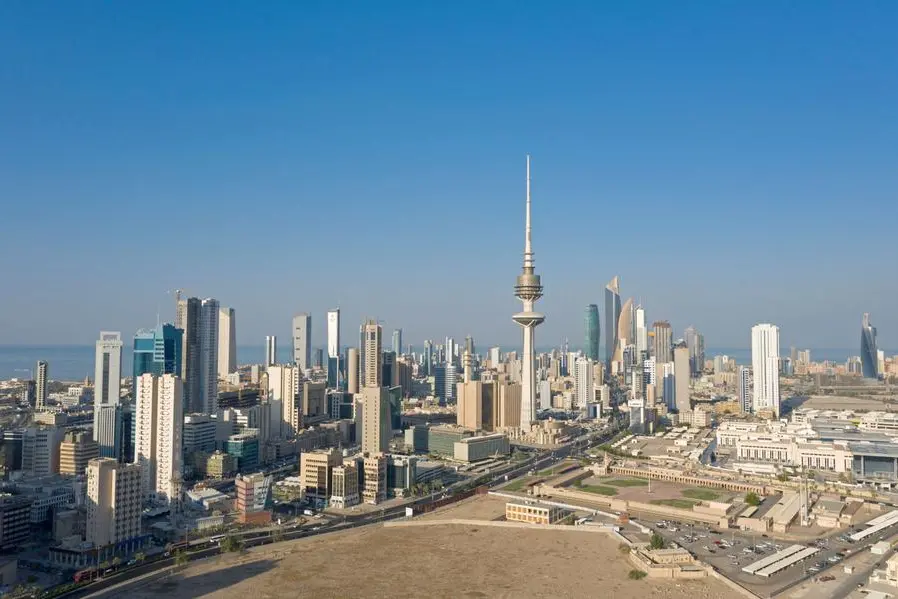
KUWAIT: "Mortgage law number 8 and 9 and the effect of the global economic crisis which hit the world in the last third quarter of 2008 are the main causes of stagnation that have hit the Kuwaiti real estate market. This has frozen the exchange movement due to more supply and less demand in this market." said Tawfiq Jarrah, Head of Trade Markets Complex Company and the Union Head of Real Estate Traders.
The volume of sales has dropped dramatically during the last five to six months, even before the onset of the global crisis. This brings to the fore, the barriers established through the mortgage law which was first issued in Kuwait on March 2008. The two previously mentioned articles prevent mortgage dealings. The real estate market in Kuwait has marked a significant drop which prevents its proper movement. Real estate companies constantly purchase residential areas. However, the major problem appears in
the commercial property category like shops and offices as well as private residential areas.
Jarrah emphasized the importance of repealing the Articles 8 and 9 since they largely contribute towards creating the real estate difficulties. He explains that these two Articles stand in the way of reviving the market, especially during the global economic crises which has affected Kuwait. Article no. 9 prevents mortgage, which is considered the practical way companies and individuals use to create liquidity. He feels that a proper solution for this matter can be reached when the government frees lands in Kuwait, in addition to abandoning such laws that equalize the market speculator with the real estate trader.
This starts with the residential real estate which was greatly influenced by the global financial crisis. Previously, the Kuwaiti government used to provide residential property. Now, the private sector has taken the mission on. The financial difficulties that citizens face prevents them from purchasing homes despite of huge demand in this kind of real estate, added Jarrah. He said, "traders keep their real estate waiting for prices to rise, for there is no current balance between what is supplied in the market and what is in demand".
Jarrah demands that the government to free the lands and cancel the mortgage law no 9. In addition, the invested property is priced according to the interest that can be charged. Hence, investors are trying to improve this by purchasing it with interest price placed on them. On the other hand, property prices are fixed, where citizens tend to buy real estate as an investment instead of placing deposits in their bank accounts. Jarrah said the barriers obstructing the commercial real estate are represented by the surge in supply brought about due to the economic recession. Demand seems to have frozen, besides the obstacles previously mentioned. Jarrah expects that the good spots will maintain good prices.
Real estate market will continue to sink to the lowest throughout summer," a real estate and economy expert foresees. He explains that the real estate crisis which hit Dubai hasn't spread widely even though its negative impact on Kuwaiti market hasn't disappeared. Once the huge complexes in Dubai and Sharjah are sold in order to make up for the amount taken in mortgage loans, the real estate will face a huge slump that will spread to Kuwait eventually.
He believes that the rented real estate value will dip slightly (5 percent to 8 percent) while trade real estate will drop more (15 percent to 20 percent). However speculated real estate prices in areas like Egaila for instance has dropped by 15 to 20 percent. In Abu Ftaira, the biggest slump was marked and reached 50 percent recently. Owners have started selling in those areas. The expert emphasizes the importance of government investments as a proper solution to insulate against recession.
There are signs which suggest that real estate value in Kuwait may dip due to recession and lack of liquidity as it is the engine that propels market exchange. However, lack of liquidity came into being due to a mortgage problem which has hit both companies and individuals. The combination of all the factors will lead to a major slump in companies' assets value, which will be more pronounced in the real estate sector.
KUWAIT: "Mortgage law number 8 and 9 and the effect of the global economic crisis which hit the world in the last third quarter of 2008 are the main causes of stagnation that have hit the Kuwaiti real estate market. This has frozen the exchange movement due to more supply and less demand in this market." said Tawfiq Jarrah, Head of Trade Markets Complex Company and the Union Head of Real Estate Traders.
The volume of sales has dropped dramatically during the last five to six months, even before the onset of the global crisis. This brings to the fore, the barriers established through the mortgage law which was first issued in Kuwait on March 2008. The two previously mentioned articles prevent mortgage dealings. The real estate market in Kuwait has marked a significant drop which prevents its proper movement. Real estate companies constantly purchase residential areas. However, the major problem appears in
the commercial property category like shops and offices as well as private residential areas.
Jarrah emphasized the importance of repealing the Articles 8 and 9 since they largely contribute towards creating the real estate difficulties. He explains that these two Articles stand in the way of reviving the market, especially during the global economic crises which has affected Kuwait. Article no. 9 prevents mortgage, which is considered the practical way companies and individuals use to create liquidity. He feels that a proper solution for this matter can be reached when the government frees lands in Kuwait, in addition to abandoning such laws that equalize the market speculator with the real estate trader.
This starts with the residential real estate which was greatly influenced by the global financial crisis. Previously, the Kuwaiti government used to provide residential property. Now, the private sector has taken the mission on. The financial difficulties that citizens face prevents them from purchasing homes despite of huge demand in this kind of real estate, added Jarrah. He said, "traders keep their real estate waiting for prices to rise, for there is no current balance between what is supplied in the market and what is in demand".
Jarrah demands that the government to free the lands and cancel the mortgage law no 9. In addition, the invested property is priced according to the interest that can be charged. Hence, investors are trying to improve this by purchasing it with interest price placed on them. On the other hand, property prices are fixed, where citizens tend to buy real estate as an investment instead of placing deposits in their bank accounts. Jarrah said the barriers obstructing the commercial real estate are represented by the surge in supply brought about due to the economic recession. Demand seems to have frozen, besides the obstacles previously mentioned. Jarrah expects that the good spots will maintain good prices.
Real estate market will continue to sink to the lowest throughout summer," a real estate and economy expert foresees. He explains that the real estate crisis which hit Dubai hasn't spread widely even though its negative impact on Kuwaiti market hasn't disappeared. Once the huge complexes in Dubai and Sharjah are sold in order to make up for the amount taken in mortgage loans, the real estate will face a huge slump that will spread to Kuwait eventually.
He believes that the rented real estate value will dip slightly (5 percent to 8 percent) while trade real estate will drop more (15 percent to 20 percent). However speculated real estate prices in areas like Egaila for instance has dropped by 15 to 20 percent. In Abu Ftaira, the biggest slump was marked and reached 50 percent recently. Owners have started selling in those areas. The expert emphasizes the importance of government investments as a proper solution to insulate against recession.
There are signs which suggest that real estate value in Kuwait may dip due to recession and lack of liquidity as it is the engine that propels market exchange. However, lack of liquidity came into being due to a mortgage problem which has hit both companies and individuals. The combination of all the factors will lead to a major slump in companies' assets value, which will be more pronounced in the real estate sector.
By Nisreen Zahreddine
© Kuwait Times 2009