Monday, Sep 21, 2009
Gulf News
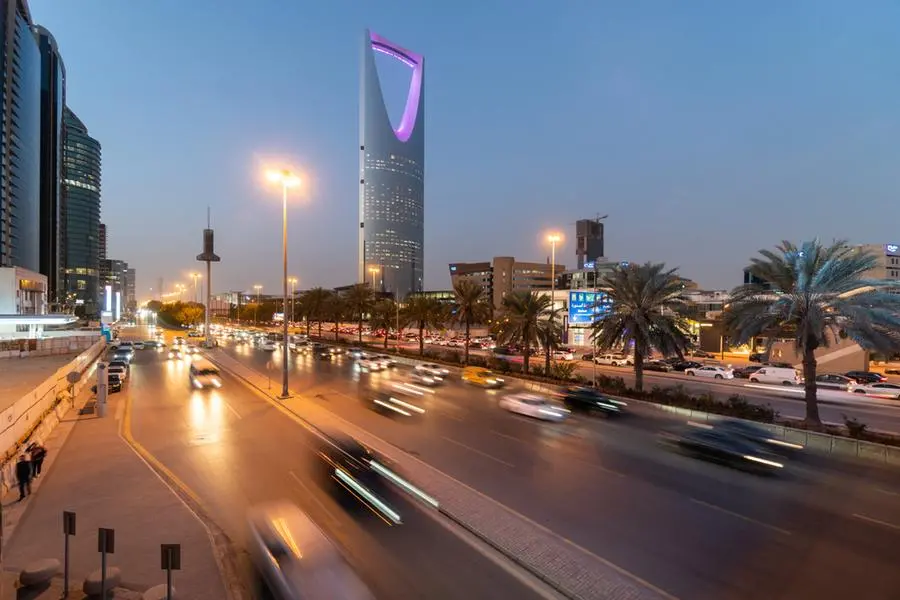
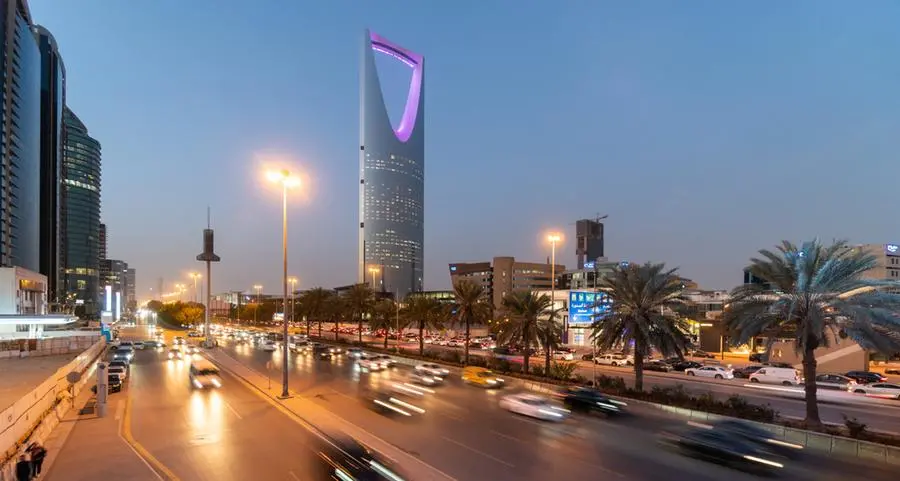
Riyadh: Saudi Arabia's readiness to shoulder responsibility and rush assistance during natural calamities and conflict situations around the globe is being recognised by the world community.
Foreign diplomats and political analysts in the kingdom, which is celebrating its 79th National Day on Wednesday (September 23), have little hesitation to admit that it deserves its newfound tag as the 'humanitarian kingdom' in view of its initiatives to mitigate human suffering under the wise leadership of King Abdullah Bin Abdul Aziz.
"Saudi Arabia deserves to wear this cap for its relentless efforts to alleviate the suffering of people across the world. There are hundreds of charity organisations working for the purpose inside the country. The Saudi Red Crescent Society, headed by Prince Faisal, son of King Abdullah, is mainly instrumental in undertaking such initiatives outside the kingdom," observed one diplomat making special mention of the initiative to help with the surgical separation of conjoined Siamese twins from various countries.
King Abdullah personally meets the full expenses of such surgeries, which are performed by a Saudi medical team headed by the Minister of Health Dr Abdullah Al Rabee'a at one of the most specialised hospitals in the Kingdom, the King Abdul Aziz Medical City of Riyadh, the diplomat said.
When the global financial crisis rocked the economies of poorer countries, especially in Africa, King Abdullah rose to the occasion by announcing $700 million (Dh2.57 billion) in aid to support poverty alleviation programmes and boosting food security measures. The World Food Programme (WFP), an affiliate of the United Nations, was not missing the point when it lauded the Kingdom for taking top position among countries supporting the poor of the world.
According to a report of WFP, Saudi Arabia has been ranked the largest international donor for humanitarian causes. In a report of the UN Development Programme (UDP), another UN agency, Saudi Arabia not only surpassed the United States as the largest relative donor of humanitarian aid, but also European states which are considered global leaders in the distribution of humanitarian assistance.
Wang Yon Gho, a diplomat at the Chinese embassy in Riyadh, told Gulf News that Saudi Arabia has not limited itself to extending humanitarian aid through WFP and other international agencies, but has on various occasions acted on its own during national calamities and crises.
"This race for rushing aid for the victims of calamities had benefited several countries, not only Arab and Muslim but other countries as well," he said while noting that Kingdom was the largest single donor extending assistance to the tune of $100 million when his country was hit by a devastating earthquake that claimed tens of thousands of lives.
Wang drew attention to the Chinese press reports commending the Saudi humanitarian initiative at the time. "One report showed that Chinese limousine drivers refused to accept charges from customers, when they realised that they were Saudis. Chinese media gave extensive coverage to the humanitarian gesture of the Kingdom with headlines like "Kingdom a true friend in hour of need."
The Kingdom rushed aid to Yemen when the Hadar Mauth region was inundated by floods. An Air Bridge Programme was initiated side-by-side with the dispatch of truckloads of relief and monetary assistance for the reconstruction of schools, mosques and residential buildings.
Similar was the case when Pakistan's Quetta and Kashmir regions were devastated by earthquakes.
Saudi Arabia's efforts to offer succour to flood victims in Mexico also played a great role in removing misgivings about Islam and Muslims. A number of local Mexican newspapers carried reports praising the Kingdom's humanitarian gesture.
"This dispels the wrong notion that Muslims lack humanitarian qualities and establishes the fact that Islam is a religion promoting tolerance and humanitarian feelings," one of the papers commented.
It is also interesting to note that Brazil, another beneficiary of Saudi humanitarian aid, expressed its thanks to the Saudi leadership by sending a delegation comprising flood victims. The team met King Abdullah and thanked him on behalf of their government as well as their families and people.
In Sri Lanka and Indonesia - the worst-hit countries during the Asian tsunami - Saudi assistance helped a lot in improving living condition of survivors.
In Sri Lanka, Riyadh built the King Abdullah Shelter for Tsunami Victims and in Indonesia's Banda Aceh, a new city was raised to accommodate those left homeless. Saudi Arabia met the expense of building hundreds of houses in addition to several schools, Quran memorisation centres and mosques in the city.
The Kingdom's steadying presence has always been felt in Lebanon and Palestine, especially during Israeli aggression.
Saudi Arabia continues to dispatch humanitarian aid to the people of Gaza who are reeling under crippling Israeli economic blockades.
Tajikistan, Mauritania, Mali, Liberia, Senegal, Guinea, Ghana Sierra Leone, Sudan, Niger, Bangladesh and Iran are some of the other countries to have benefited from Saudi generosity. Some of the beneficiaries included countries with whom the Kingdom has no diplomatic ties.
Showering praise on the track record of Saudi Arabia vis-a-vis humanitarian initiatives, Abdul Hafez Ebrahim, Sudan's ambassador to the kingdom, observed: "Whenever a country was hit by a natural calamity, Saudi Arabia rushes to support the victims without taking into account of the attitude [friendly or hostile] and relations of their governments toward Saudi Arabia. This position of vast humanitarian outlook and transparency enabled the Kingdom, under the leadership of King Abdullah Bin Abdul Aziz, to win the respect and recognition of countries and people alike across the world in addition to accolades from international and local aid agencies."
Do you think the world is doing enough to give humanitarian aid to devastated countries? Who holds the ultimate responsibility? What are your ideas to improve relief efforts for poor countries?
By Abdul Rahman Shaheen, Correspondent
Gulf News 2009. All rights reserved.