13 November 2008
The governments of Abu Dhabi, Kuwait and Qatar will continue to give priority to the building of mega projects and the oil surpluses already sustained, thus diminishing the risk of a halt to these projects, even if the availability of credit is hurt by the crisis in the West.
This was revealed in a Beltone Financial Research 'Construction and building materials overview', which looked at markets in the UAE, Saudi Arabia, Qatar, Kuwait and Egypt. "As with other markets in the Gulf, the prevailing fear is if property prices fall in Dubai, then this may dampen building initiatives in Kuwait on shaky buyer sentiment," said the report.
"However, we believe for the governments of Abu Dhabi, Kuwait and Qatar, the building of mega projects is a priority and the oil surpluses already sustained diminish the risk of a halt to these projects, even if the availability of credit is hurt by the crisis in the West."
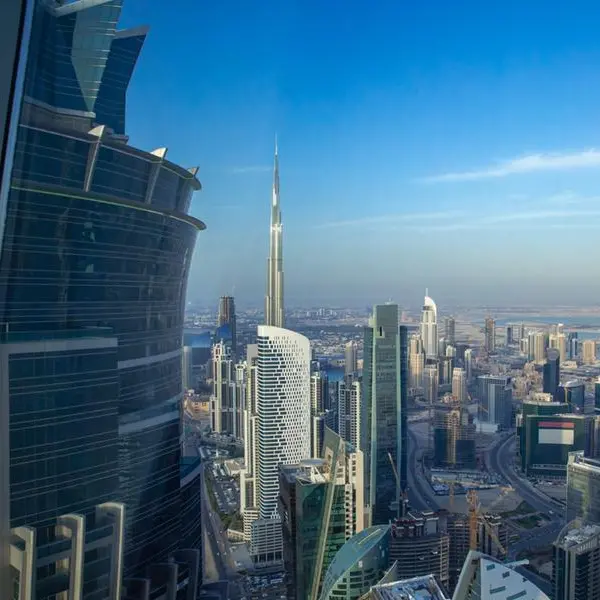
UAE going strong
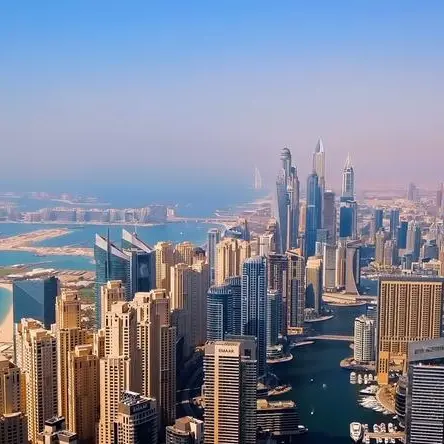
There had always been questions about the sustainability of demand for real estate in the UAE, particularly in Dubai, said the report. Property prices had been rising almost constantly on foreign buying, sparking fears of overheating.
"In addition, the banking sector is going through a period of tightening liquidity, which will affect developers first and foremost," it said.
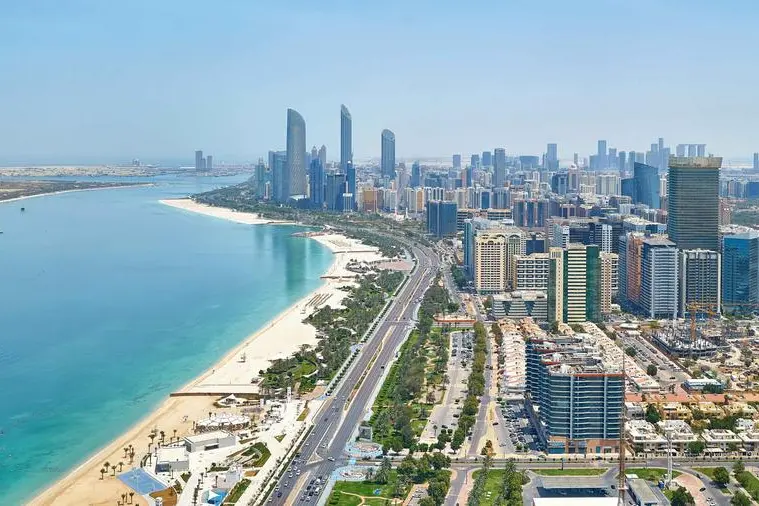
But it is a myth, according to Beltone Research that if property prices fall in Dubai, then it is perceived this would be the end of the UAE investment story. "We acknowledge that the property market is a significant driver in Dubai and the UAE, but we are still buyers of contractors, on the back of their massive order book of projects and we are also more bullish on the property market in Abu Dhabi, where the government's building initiative is likely to remain strong, given the budget surplus," it said.
Qatar commitment to power
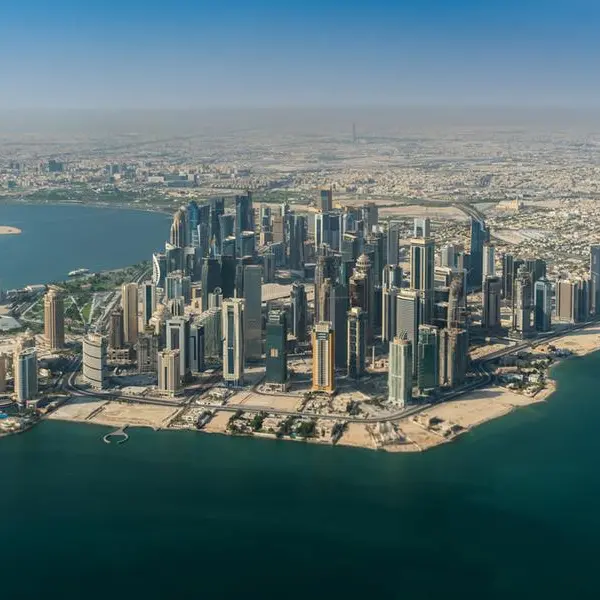
It states there have been a number of myths surrounding the sustainability of the investment story in the Qatari infrastructure sector. Primarily, the notion that Dubai's real estate market is overheating and that a fall in Dubai would cause panic across the Middle East real estate has been dragging down construction-related stocks in the GCC, Qatar being no exception.
"Our view is that, while we are wary of the fact investment in real estate development is risky in the GCC, on account of the growth in expatriates being the main driver (Saudi Arabia perhaps being the exception), there is an undeniable commitment to spend on power infrastructure in Qatar, as well as in oil and gas sector, which will drive the prospects of infrastructure stocks that are not pure play private sector real estate developers."
Saudi sustainable boom
The report also stated it still believed in the sustainability of the construction boom in Saudi Arabia. "Given the strong underlying fundamentals of a young population in need of housing, a government aiming to diversify its economy away from oil and the necessary funds to finance growth, we still believe in the sustainability of the construction boom that Saudi Arabia is currently witnessing. We also see it across all sectors, from real estate to infrastructure and industrial construction," said the Beltone report.
This scenario will play in the favour of the cement industry, which will inevitably experience a demand well above the current levels of above 27 million tonnes.
"The strong underlying fundamentals are more evident from the growing appetite of foreign investors (specifically from the UAE) in the real estate and construction sector, which is exemplified through a number of transactions that occurred during the last month such as the Dubai Group, a subsidiary of Dubai Holding, becoming a founding shareholder in real estate company, Mazaya Saudi for Commercial Investment (Mazaya Saudi).
Also Dubai Investments announced it had bought a 10 per cent stake in the $350m South Steel Company in Saudi Arabia.
"We forecast cement consumption in Saudi Arabia to reach 35m tonnes by 2008 and around 45m tonnes by 2010," said the report.
Kuwait focus on commercial
When it comes to Kuwait, Beltone says whereas hydrocarbon revenues have revived the construction sector in the GCC, what has also rekindled the investment appetite in Kuwait is the return of capital sparked by the ousting of Saddam Hussein in 2003, which had continued to be perceived by Kuwaitis as a threat throughout the decade, following Kuwait's liberation from the Iraqi invasion in 1991.
Developers are now focusing on the demand for commercial space - retail and office - with major malls being hit across the nation. There is currently $100bn designated for new urban developments, the bulk of which is accounted for by the Silk City project developed by Tamdeen, a 250 sqkm urban development in Subiya, opposite Kuwait City, which will include the 1,001m-high Burj Mubarak Al Kabir.
MENA focus sunrise sectors
Infrastructure spending and investment in power remain a continuing theme in the Mena region. "The market will remain tight in favour of cable manufacturers as we have detailed in our previous coverage on the Mena power sector - with north of $50bn of investments expected in power generation capacity, adding around 51,000MW by 2012," it said.
With annual cable consumption in the GCC growing at a historical five-year CAGR of 10 per cent to 700,000 tonnes, there remains a shortage of around 200,000 tonnes. "Even with investments in additional cable capacity by GCC manufacturers, we believe the market will remain tight in favour of cable producers over the next few years, given the growth in demand starting 2010." Despite the global slowdown, Beltone believes investments in power generation should sustain, as an rise in power capacity in the Middle East becomes indispensable.
The report said also said that 'among the sectors that will benefit the most over the next decade, is the power sector and all related industries, such as power cable manufacturers'.
Again while steel prices have dipped from their summer highs, the latter is mostly due to a halt in construction in China prior to and during the Beijing Olympics and the general lull in the Middle East during the month of Ramadan, said the Beltone report.
"Although we have a mixed outlook on local real estate development, we see global steel prices below the current level during the first half of 2009. As the global economy picks up again, infrastructure spending, particularly from the Mena region, should increase steel prices again. We forecast a decline in global steel prices by 25 per cent in 2009 on average, before recovering in 2010."
In just the two-month period from end of July to September, the US scrap prices dropped by an average of 34 per cent. "Although we maintained a more conservative view on steel prices than management's guidance, we still believe steel prices in 2009 will not witness a free fall," said the report. While the global economy recovers, infrastructure spending from the Mena region should contribute to sustained demand for steel prices.
Correction, not a crash
The mortgage market in the UAE and the Middle East, in general, is still nascent, thus most developments are pre-sold off-plan and are equity financed.
In addition, the real estate authority in the UAE has imposed restrictions, including regulations governing escrow accounts, which would guarantee a developer continues to finance the project from the pre-sale funds. "Although we believe in a correction rather than a crash in the real estate market in Dubai," said the report.
"Our concerns emanate from a temporary liquidity crunch in the UAE. Amid the global turmoil in the financial markets, extension of credit in general has been increasingly difficult, especially as the banking system in the UAE becomes over-utilised. Nevertheless, the UAE Government is aware of these concerns and has accordingly decided to inject Dh70bn in cash, as a pre-emptive measure, into the banking system," said the report.
The governments of Abu Dhabi, Kuwait and Qatar will continue to give priority to the building of mega projects and the oil surpluses already sustained, thus diminishing the risk of a halt to these projects, even if the availability of credit is hurt by the crisis in the West.
This was revealed in a Beltone Financial Research 'Construction and building materials overview', which looked at markets in the UAE, Saudi Arabia, Qatar, Kuwait and Egypt. "As with other markets in the Gulf, the prevailing fear is if property prices fall in Dubai, then this may dampen building initiatives in Kuwait on shaky buyer sentiment," said the report.
"However, we believe for the governments of Abu Dhabi, Kuwait and Qatar, the building of mega projects is a priority and the oil surpluses already sustained diminish the risk of a halt to these projects, even if the availability of credit is hurt by the crisis in the West."
UAE going strong
There had always been questions about the sustainability of demand for real estate in the UAE, particularly in Dubai, said the report. Property prices had been rising almost constantly on foreign buying, sparking fears of overheating.
"In addition, the banking sector is going through a period of tightening liquidity, which will affect developers first and foremost," it said.
But it is a myth, according to Beltone Research that if property prices fall in Dubai, then it is perceived this would be the end of the UAE investment story. "We acknowledge that the property market is a significant driver in Dubai and the UAE, but we are still buyers of contractors, on the back of their massive order book of projects and we are also more bullish on the property market in Abu Dhabi, where the government's building initiative is likely to remain strong, given the budget surplus," it said.
Qatar commitment to power
It states there have been a number of myths surrounding the sustainability of the investment story in the Qatari infrastructure sector. Primarily, the notion that Dubai's real estate market is overheating and that a fall in Dubai would cause panic across the Middle East real estate has been dragging down construction-related stocks in the GCC, Qatar being no exception.
"Our view is that, while we are wary of the fact investment in real estate development is risky in the GCC, on account of the growth in expatriates being the main driver (Saudi Arabia perhaps being the exception), there is an undeniable commitment to spend on power infrastructure in Qatar, as well as in oil and gas sector, which will drive the prospects of infrastructure stocks that are not pure play private sector real estate developers."
Saudi sustainable boom
The report also stated it still believed in the sustainability of the construction boom in Saudi Arabia. "Given the strong underlying fundamentals of a young population in need of housing, a government aiming to diversify its economy away from oil and the necessary funds to finance growth, we still believe in the sustainability of the construction boom that Saudi Arabia is currently witnessing. We also see it across all sectors, from real estate to infrastructure and industrial construction," said the Beltone report.
This scenario will play in the favour of the cement industry, which will inevitably experience a demand well above the current levels of above 27 million tonnes.
"The strong underlying fundamentals are more evident from the growing appetite of foreign investors (specifically from the UAE) in the real estate and construction sector, which is exemplified through a number of transactions that occurred during the last month such as the Dubai Group, a subsidiary of Dubai Holding, becoming a founding shareholder in real estate company, Mazaya Saudi for Commercial Investment (Mazaya Saudi).
Also Dubai Investments announced it had bought a 10 per cent stake in the $350m South Steel Company in Saudi Arabia.
"We forecast cement consumption in Saudi Arabia to reach 35m tonnes by 2008 and around 45m tonnes by 2010," said the report.
Kuwait focus on commercial
When it comes to Kuwait, Beltone says whereas hydrocarbon revenues have revived the construction sector in the GCC, what has also rekindled the investment appetite in Kuwait is the return of capital sparked by the ousting of Saddam Hussein in 2003, which had continued to be perceived by Kuwaitis as a threat throughout the decade, following Kuwait's liberation from the Iraqi invasion in 1991.
Developers are now focusing on the demand for commercial space - retail and office - with major malls being hit across the nation. There is currently $100bn designated for new urban developments, the bulk of which is accounted for by the Silk City project developed by Tamdeen, a 250 sqkm urban development in Subiya, opposite Kuwait City, which will include the 1,001m-high Burj Mubarak Al Kabir.
MENA focus sunrise sectors
Infrastructure spending and investment in power remain a continuing theme in the Mena region. "The market will remain tight in favour of cable manufacturers as we have detailed in our previous coverage on the Mena power sector - with north of $50bn of investments expected in power generation capacity, adding around 51,000MW by 2012," it said.
With annual cable consumption in the GCC growing at a historical five-year CAGR of 10 per cent to 700,000 tonnes, there remains a shortage of around 200,000 tonnes. "Even with investments in additional cable capacity by GCC manufacturers, we believe the market will remain tight in favour of cable producers over the next few years, given the growth in demand starting 2010." Despite the global slowdown, Beltone believes investments in power generation should sustain, as an rise in power capacity in the Middle East becomes indispensable.
The report said also said that 'among the sectors that will benefit the most over the next decade, is the power sector and all related industries, such as power cable manufacturers'.
Again while steel prices have dipped from their summer highs, the latter is mostly due to a halt in construction in China prior to and during the Beijing Olympics and the general lull in the Middle East during the month of Ramadan, said the Beltone report.
"Although we have a mixed outlook on local real estate development, we see global steel prices below the current level during the first half of 2009. As the global economy picks up again, infrastructure spending, particularly from the Mena region, should increase steel prices again. We forecast a decline in global steel prices by 25 per cent in 2009 on average, before recovering in 2010."
In just the two-month period from end of July to September, the US scrap prices dropped by an average of 34 per cent. "Although we maintained a more conservative view on steel prices than management's guidance, we still believe steel prices in 2009 will not witness a free fall," said the report. While the global economy recovers, infrastructure spending from the Mena region should contribute to sustained demand for steel prices.
Correction, not a crash
The mortgage market in the UAE and the Middle East, in general, is still nascent, thus most developments are pre-sold off-plan and are equity financed.
In addition, the real estate authority in the UAE has imposed restrictions, including regulations governing escrow accounts, which would guarantee a developer continues to finance the project from the pre-sale funds. "Although we believe in a correction rather than a crash in the real estate market in Dubai," said the report.
"Our concerns emanate from a temporary liquidity crunch in the UAE. Amid the global turmoil in the financial markets, extension of credit in general has been increasingly difficult, especially as the banking system in the UAE becomes over-utilised. Nevertheless, the UAE Government is aware of these concerns and has accordingly decided to inject Dh70bn in cash, as a pre-emptive measure, into the banking system," said the report.
By Sona Nambiar
© Emirates Business 24/7 2008