AFED Conference on Sustainable Energy in Arab Countries
Sharjah, 28 October 2013: Sixty million Arab people are without access to modern energy services, mainly electricity, although energy consumption intensity is among the highest worldwide. Unlike many parts of the world, however, the Arab region is well endowed with clean, renewable sources of energy, primarily solar and wind. Efficiency measures can also save up to half of the energy currently used, while maintaining the same production levels. These are key findings of a report released today by the Arab Forum for Environment and Development (AFED) at the opening of its annual conference hosted by the American University of Sharjah (AUS).
The report on Sustainable Energy in Arab Countries concludes that, with commitment to the right policies and investments, Arab countries could be leaders in the global clean energy club. This would create high paying jobs and allow the export of renewable energy in addition to oil and gas. However, unrestrained energy and fuel subsidies, reaching 95 percent in many cases, are hindering wide-spread deployment of renewable energy, discouraging private sector investments, and preventing energy efficiency in the region which stands at an average less than 50 percent.
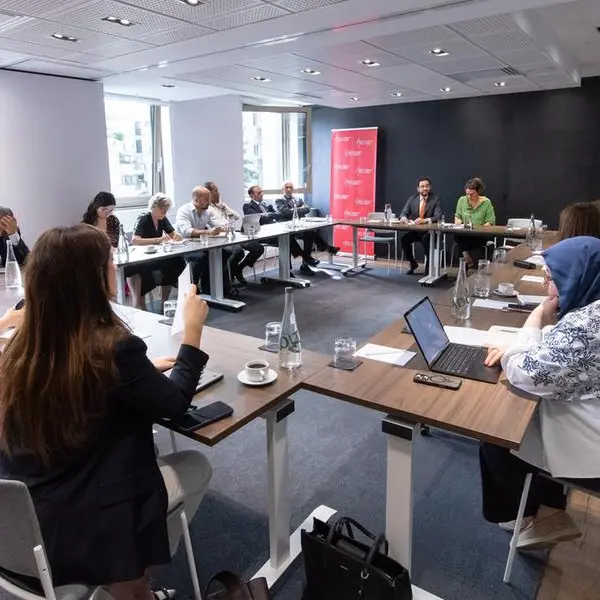
AFED's conference was opened under the patronage of HH Sheikh Dr. Sultan bin Mohammed Al Qasimi, Member of the Supreme Council of the United Arab Emirates, Ruler of Sharjah and President of AUS. More than 600 delegates attended from 52 countries, including ministers, parliamentarians, diplomats, government agencies, private sector, civil society, universities and research centers, international and regional organizations and Funds, in addition to 80 media representatives.
Dr. Rashed Ahmad bin Fahad, UAE minister of environment and water, in his opening speech, praised AFED report emphasis on energy efficiency and diversification, and the energy-water-food nexus. He mentioned UAE projects in solar energy, works to establish four nuclear reactors for energy production, and exploring waste-to-energy applications.
AFED's 2013 work report was presented by Najib Saab, AFED's secretary general, who said: "It seemed almost impossible sometimes to try to implement an environmental agenda in a region where half the population is going through turmoil. But after all the conflicts, people will still need to protect the natural capital, because revolutions do not substitute sustainable development."
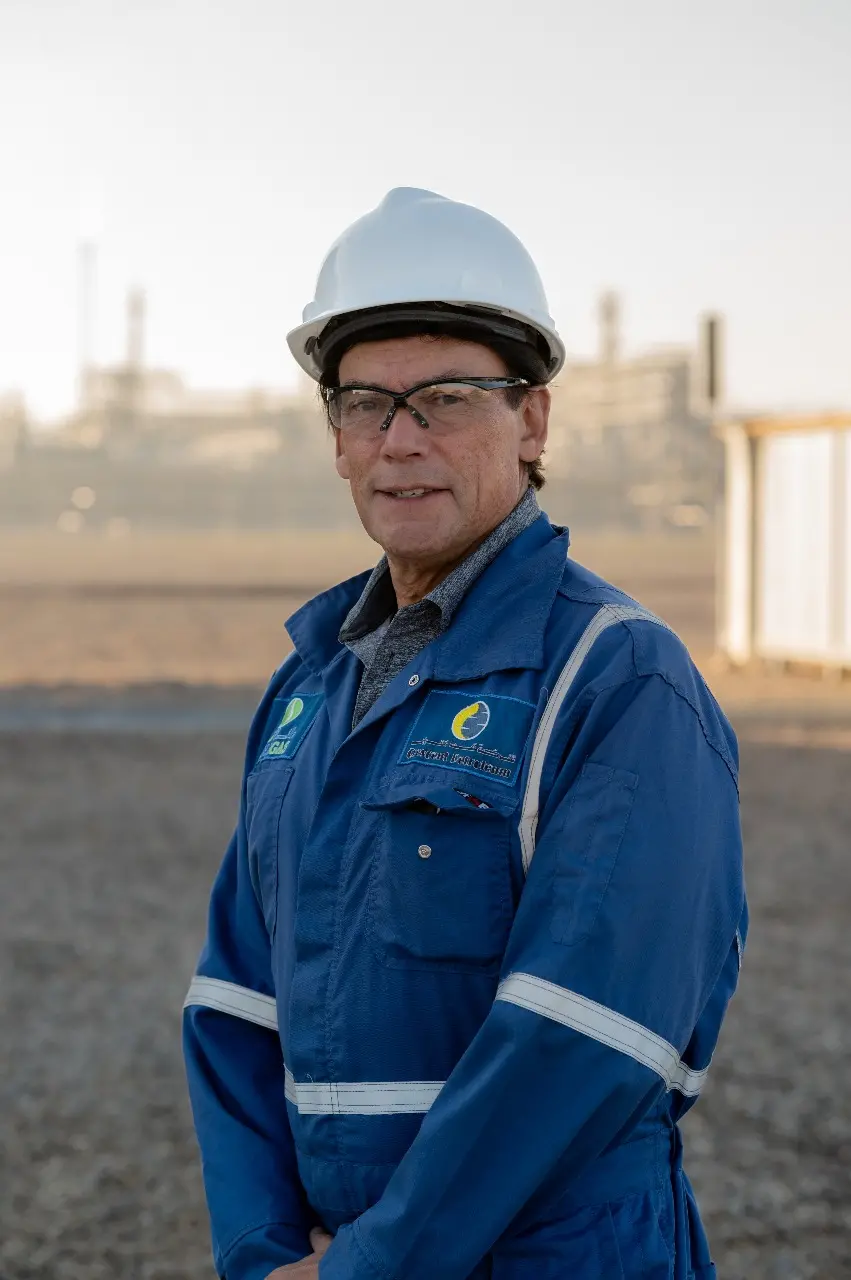
The opening session included a statement by Adnan Badran, Chairman of AFED's board of trustees, and two keynote speeches by Suleiman Al-Herbish, director general of OFID, about sustainable energy for all, and Majid Jaafar, CEO of Crescent Petroleum, about Arab natural gas as a cleaner fuel.
Sessions discussed energy-water nexus, renewable energy, nuclear energy and energy efficiency.
Conclusions and recommendations will be released in a closing plenary Thursday.
Full AFED report can be downloaded from www.afedonline.org/conference
© Press Release 2013