Close to 500 new hotels - or 496 to be exact - are being built in the Middle East Africa region, according to STR Global, the hospitality consultancy.
January 26, 2012
26 January 2012 Close to 500 new hotels - or 496 to be exact - are being built in the Middle East Africa region, according to STR Global, the hospitality consultancy.
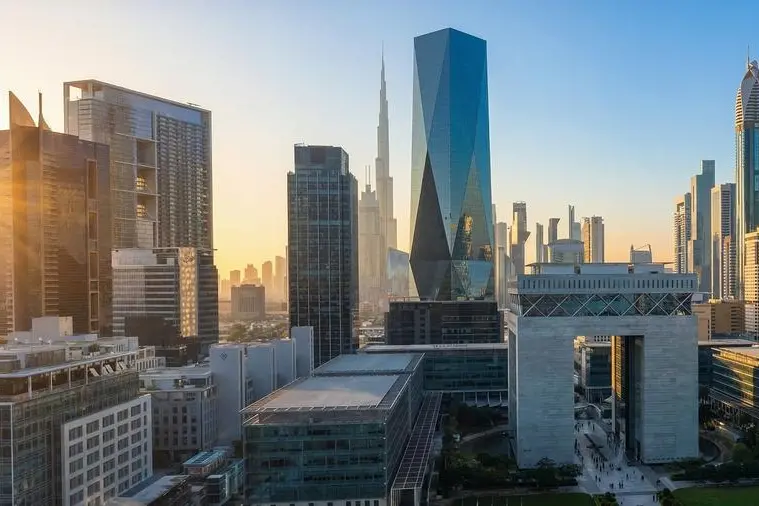
These hotels will feature 133,438 rooms, according to the consultancy, with Dubai leading the way with 13,349 rooms under construction.
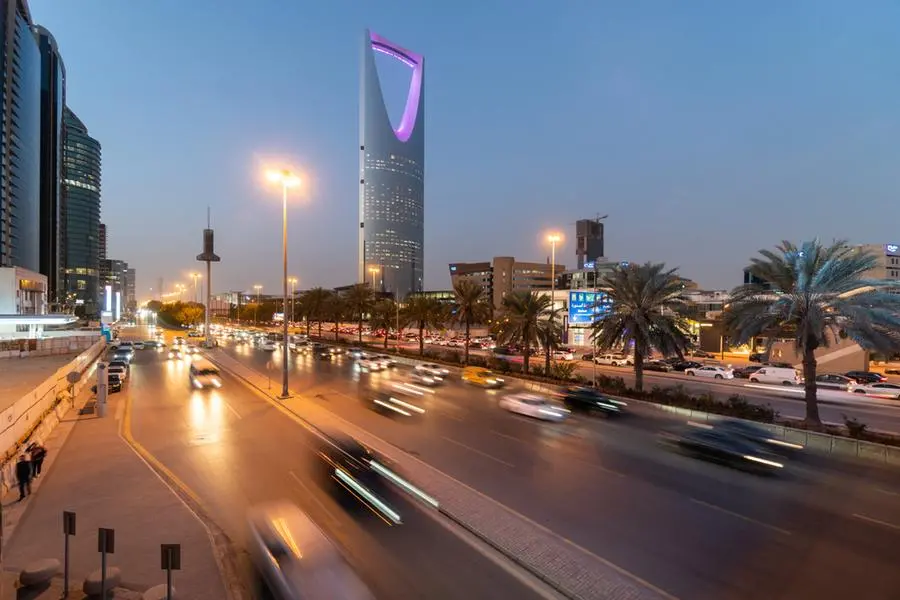
Four other Middle East markets have more than 1,500 rooms under construction: Abu Dhabi has 5,298 rooms under way, Riyadh 2,687 rooms, Cairo with 1,977 rooms and Amman with 1,507 rooms.
Expect at least some of these projects to be delayed. With much of the region in turmoil, investors are holding back before they proceed further and dip their toes in the volatile conditions. Zawya Projects Monitors shows at least nine hotel developments are on hold or delayed, and that figure is set to rise as investors make their plans known.
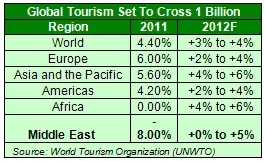
Overall, the Middle East was the performing region in the world in tourist travel.
The region saw a decline of 8% and lost an estimated five million international tourist arrivals, totalling 55 million, accoridng to the World Tourism Organization. Nevertheless, some destinations such as Saudi Arabia, Oman and the UAE sustained steady growth.
The region reported mostly negative performance results in 2011 when reported in U.S. dollars, according to data compiled by STR Global.
In 2011, the region reported a 6.8% decrease in occupancy to 57.1%, a 5.3% increase in average daily rate to USD162.81 and a 1.8% decrease in revenue per available room to USD92.99.
"Due to the Arab Spring starting early 2011 across Northern Africa, the performances between Africa and the Middle East differ greatly", said Elizabeth Randall, managing director of STR Global. "Africa reported declining occupancy for all months in 2011, with average room rates declining throughout the latter half of the year."
"The Middle East reported occupancy and average-room-rate improvements driven from the strong demand growth (+9.0 percent), the highest growth rate for the global regions, and the highest yearly growth achieved since the last seven years", Randall said.
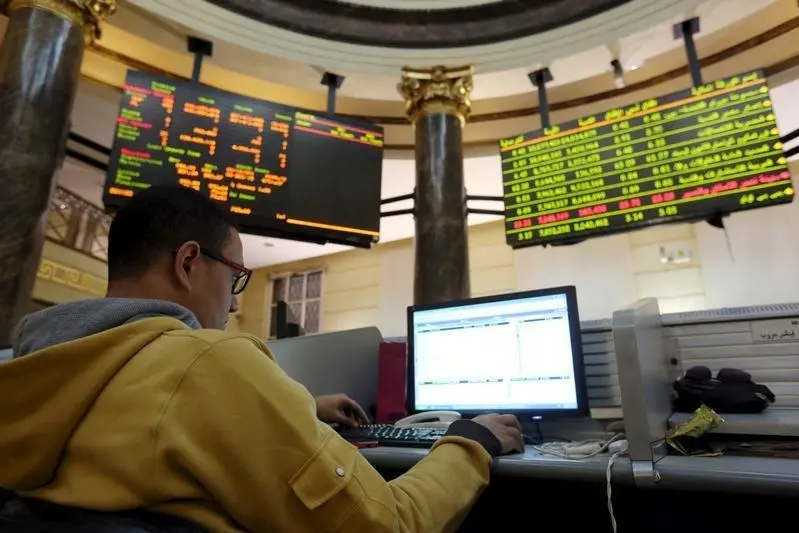
One of the largest tourism markets in the region led the declines. Egypt's tourism reputation took a hammering with a 30% decline in hotel revenues last year, as its citizens took to the streets to take their destiny in their hand. While that was commendable and made for good TV, it hardly lured tourists to visit Sharm El-Sheikh beaches and Cairo's Khan El-Khalili Bazaar.
Room occupancy in Cairo fell 44.9% to 36.1%, posting the largest decrease in that metric, followed by Beirut, Lebanon, with a 12.9% decrease to 56.2%.
Cairo hotels also fell 49.2% in RevPAR to US$42.71, reporting the largest decrease for the year among major Mideast tourism markets. Overall, Egypt's tourism revenues fell to USD8.8 billion in 2011 from USD12.5-billion in the previous year, and tourist spent 114 million nights in the country, compared to 141 million in the previous year.
In Lebanon, the number of visitors fell 23.66% in 2011 compared to the previous year. While statistics for Jordan and Syria are not available, it would be fair to say that the regional unrest took its toll on the tourism industry.