PHOTO
Turkey's extended period of high interest rates has hurt manufacturers, with elevated costs posing risks to the country's official $282 billion export target, the head of the Turkish Exporters Assembly (TIM) said.
The central bank began tightening monetary policy in 2023 and held its main interest rate at 50% for much of 2024 before beginning a stop-start easing cycle that has lowered it to 37%, including a 100 basis-point cut on Thursday.
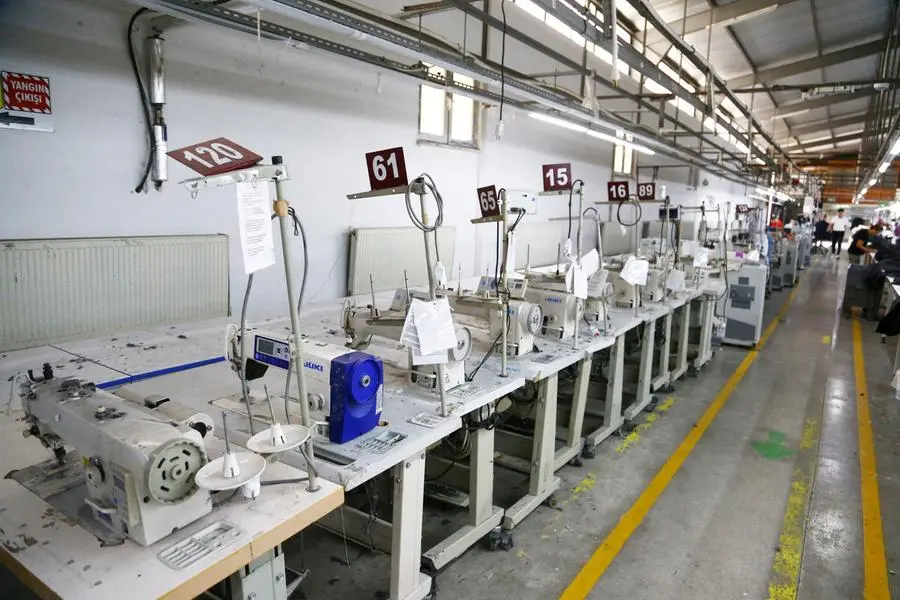
"This programme has gone on too long. Where we stand after three years, there are problems on the production side. Employment in manufacturing has fallen by some 560,000 jobs over the past three years," TIM head Mustafa Gultepe said.
Labour-intensive sectors such as apparel, leather and furniture will continue to suffer this year, Gultepe told reporters late on Wednesday.
He also said he discussed with central bank officials a possible boost to the foreign-exchange conversion support that exporters already receive.
A weaker lira, robust domestic demand and rising taxes boosted annual inflation to a peak of 75.45% in 2024, but monetary and fiscal measures helped lower it to 30.9% by December.
Gultepe said existing support mechanisms need to be improved for producers and exporters to continue under these conditions. He said a real recovery in the sector does not seem realistic until next year.
Although Turkey's exports rose year-on-year in 2025, the growth was not broad-based as most companies struggled to secure overseas business, Gultepe said.
The government has targeted $282 billion in exports this year. But that is threatened by lost competitiveness, weakness in some sectors and high rates, the TIM head said.
To help support the sector, the central bank provides a 3% rate to exporters converting forex earnings to lira.
Asked about possibly boosting this support, Gultepe said TIM discussed with the bank renewing limits based on these conversion ratios.
He said export targets could be comfortably met through stronger support in areas such as employment and minimum-wage supports for companies in labour-intensive sectors, policies to provide exporters with financing options, and more effective and efficient FX conversion.
(Reporting by Ceyda Caglayan; Editing by Jonathan Spicer and Jan Harvey)