PHOTO
Muscat – Diplomatic efforts are intensifying as regional tensions continue to rise, with international and regional actors working behind the scenes to prevent further escalation and open pathways toward a political resolution.
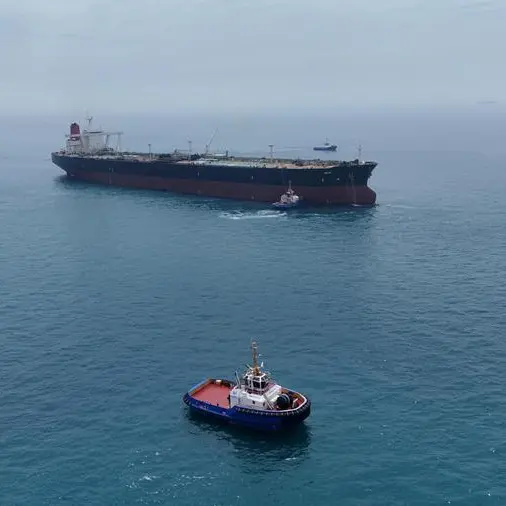
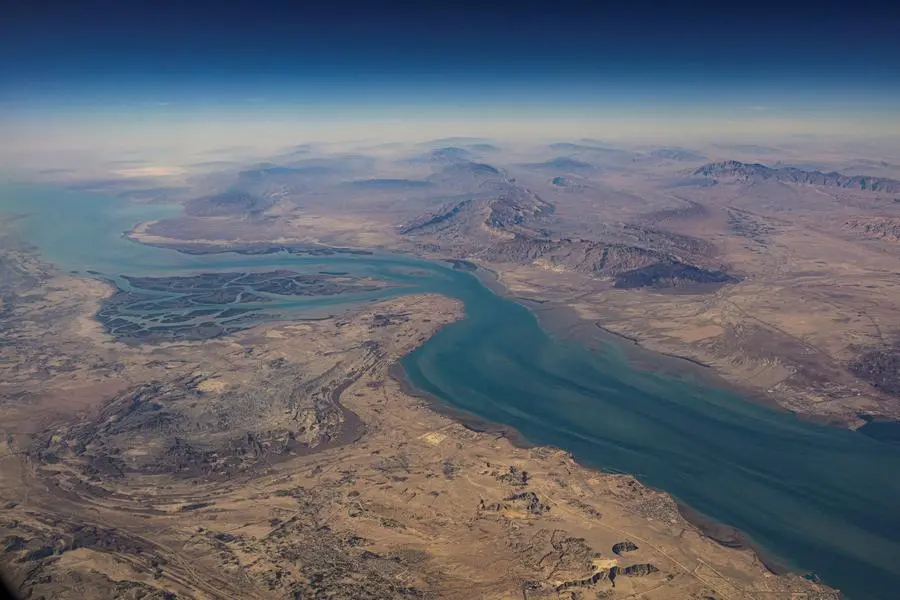
H E Sayyid Badr Al Busaidi, Foreign Minister, on Monday posted on X, “Whatever your view of Iran, this war is not of their making. This is already causing widespread economic problems and I fear they promise to get much worse if the war continues. Oman is working intensively to put in place safe passage arrangements for the Strait of Hormuz.”
Analysts say that although the military dimension of the confrontation is expanding, parallel diplomatic channels remain active in an attempt to contain the crisis and avert a wider regional conflict.
Dr Juma bin Saeed Al Jaradi, a specialist in strategic studies and international relations, said Iran appears to be pursuing a strategy aimed at prolonging the conflict in order to increase the cost for its adversaries and strengthen its negotiating position.
Speaking in an interview with Oman TV, Al Jaradi explained that current developments suggest a deliberate policy of attrition, with Tehran seeking to extend the duration of hostilities while exerting sustained pressure on opposing parties.
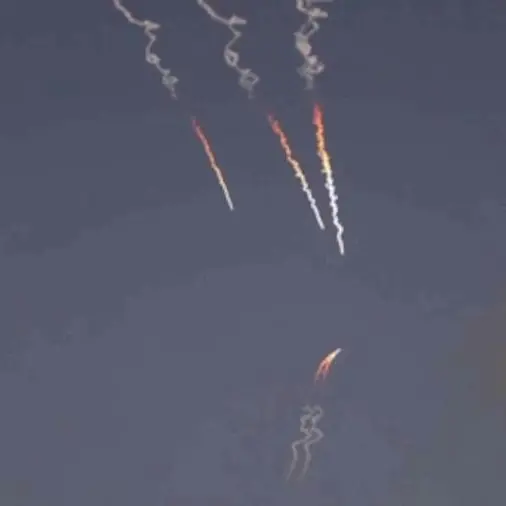
He noted that Iran’s reported targeting of Dimona carries significant strategic implications, given that the area hosts key Israeli nuclear-related facilities, including the Negev Nuclear Research Center. According to Al Jaradi, such a move reflects a calculated escalation intended to send strong strategic signals amid the ongoing confrontation.
Al Jaradi also pointed to growing international concern over the widening scope of the conflict, particularly following statements by the US President Donald Trump, who warned of the possibility of targeting Iranian power plants if maritime navigation in regional waters is not restored to normal.
“These remarks indicate a potential escalation scenario that could expand the theatre of confrontation,” he said, noting that threats against critical infrastructure represent a serious shift in the dynamics of the conflict.
At the same time, Al Jaradi emphasised that diplomatic channels remain active, with regional and international actors working to prevent further escalation and seek a political solution to end the war.
He added that mounting economic pressures resulting from the conflict could ultimately push the parties toward negotiations and help pave the way for a diplomatic settlement.
© Apex Press and Publishing Provided by SyndiGate Media Inc. (Syndigate.info).