PHOTO
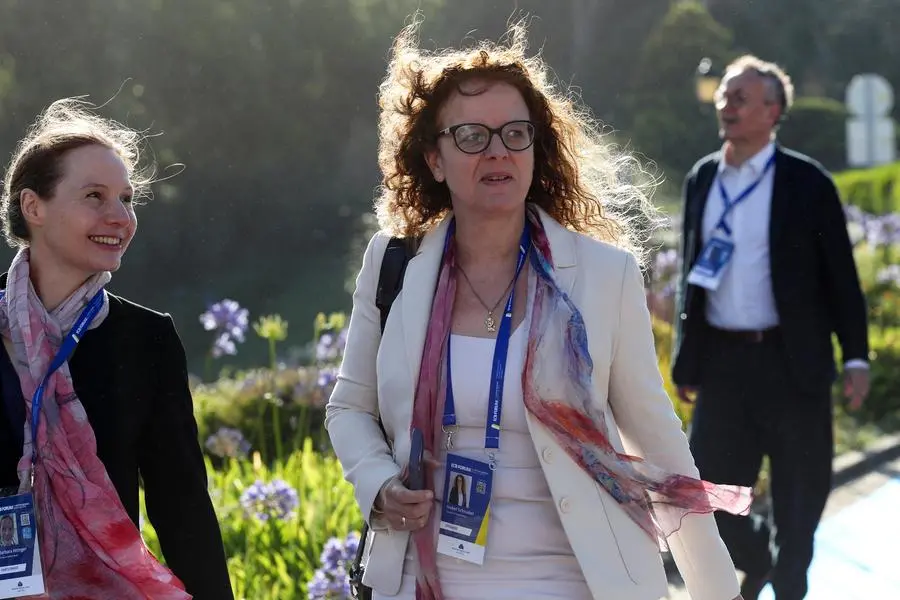
FRANKFURT: The euro zone's economy is not back to its state before the Iran war despite a drop in oil prices, as core inflation remains strong and price pressures continue, European Central Bank board member Isabel Schnabel said on Monday.
Schnabel's comments kept the need for more policy tightening on the table even as a second interest rate hike at the ECB's next meeting on July 22-23 looked increasingly unlikely.
"Does the decline in oil prices mean that we are back to the pre-war situation? I don't think so," she told an event in Rome.
"The peace deal is still fragile, markets continue to point to higher oil prices over longer horizons and gas prices are still around 40% higher than before the war."
Among other factors, she noted crack spreads, a measure of profitability for refiners, were "twice their pre-war levels", pipeline and supply chain pressures remained elevated and core inflation remained strong.
"Meanwhile, we are experiencing new shocks: the heat wave in Europe and the Super El Niño may put upward pressure on food prices, while rainwater levels are approaching critical levels," Schnabel added.
Speaking later on the same panel, Belgian central bank governor Pierre Wunsch said he was "relatively relaxed", noting the war-related shock to energy prices seemed to have "disappeared" from market prices.
Repeating comments made to Reuters last month, he argued the ECB should "not wait too long" if it wants to raise rates one last time.
"We will have a projection in September, but I'm a bit afraid that we would hike too late when the movement starts in the other direction," Wunsch added. (Reporting by Francesco Canepa Editing by Tomasz Janowski, William Maclean)