PHOTO
Citi expects the U.S. and Israel to take limited actions against Iran in the near term that avoid an escalatory response to push the country into a deal over its nuclear programme, the bank said in a note on Thursday.
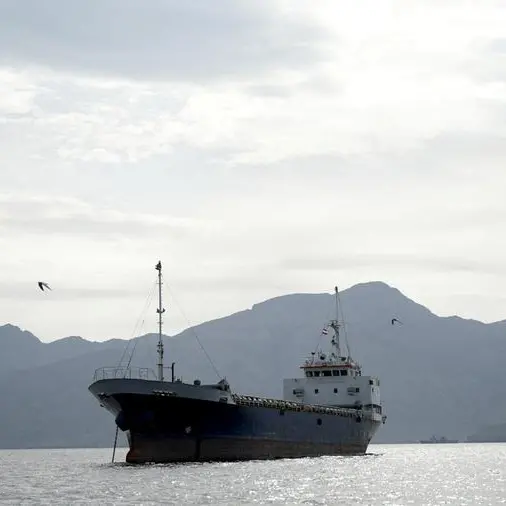
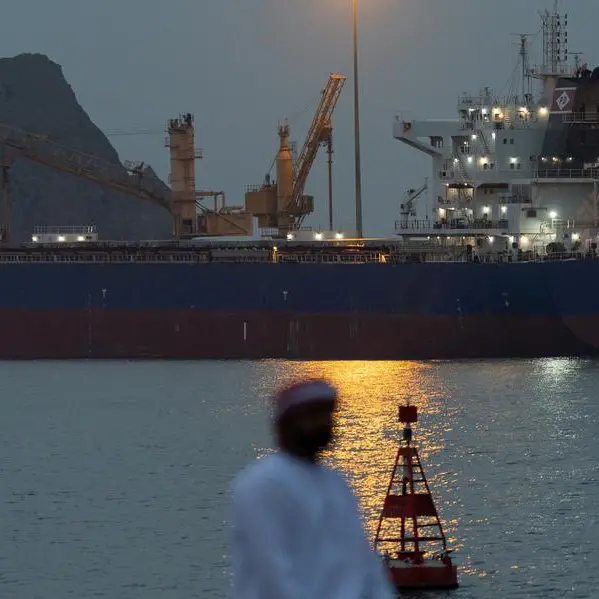
The smaller steps likely include limited U.S. military actions and oil tanker seizures that are expected to keep the risk premium in oil markets elevated, especially over concerns Iran would shut the key Strait of Hormuz transit point, the bank said.
Oil prices climbed 3% to a five-month high on Thursday on rising concerns that global supplies could be disrupted if the U.S. attacks Iran, one of OPEC's biggest crude producers.
U.S. President Donald Trump is weighing options against Iran that include targeted strikes on security forces and leaders to inspire protesters, multiple sources said, even as Israeli and Arab officials said air power alone would not topple the clerical rulers.
The bank's base case for limited actions, which it gives a 70% probability of occurring, "reflects U.S. sensitivity to higher energy prices" because of domestic political considerations, "President Trump's preference to avoid war and the likelihood that ongoing domestic pressures within Iran provide potential for changes that could lead to a deal," it said.
Citi does not expect a large response from Iran "as it does not want war either, as it is facing a faltering economy and civil unrest."
The bank sees a 30% chance of heightened but limited conflict and internal political instability in Iran causing intermittent disruptions to oil production and exports, and a 10% risk of substantial regional supply losses driven by civil unrest with U.S. and Israel.
In its base case, Citi expects a U.S.–Iran deal and a de-escalation at some point in 2026, which would reduce the Iran-related geopolitical risk premium, currently at $7–10 a barrel with Brent near $70.
On Thursday, Brent futures settled at $70.71 a barrel.
(Reporting by Anushree Mukherjee in Bengaluru; Editing by Christian Schmollinger)