PHOTO
East African nations have been urged to exercise caution regarding the potential economic imbalances that could arise as they pursue high-end tourism as a diversification strategy.
A new study warns that, while this approach promises fewer tourists and higher revenues, it can also exacerbate inequality if governments fail to support their wider populations.
Dr Pritish Behuria of the University of Manchester, in an article in the African Studies Review journal, says that the dream of “high-value, low-impact” tourism, which has been adopted by many African governments as the route to their sustainable growth, has had mixed results.“Luxury tourism only exacerbates the inequalities associated with mass tourism strategies, with foreign tourism operators and a few foreign firms tending to gain most benefits,” the paper notes.
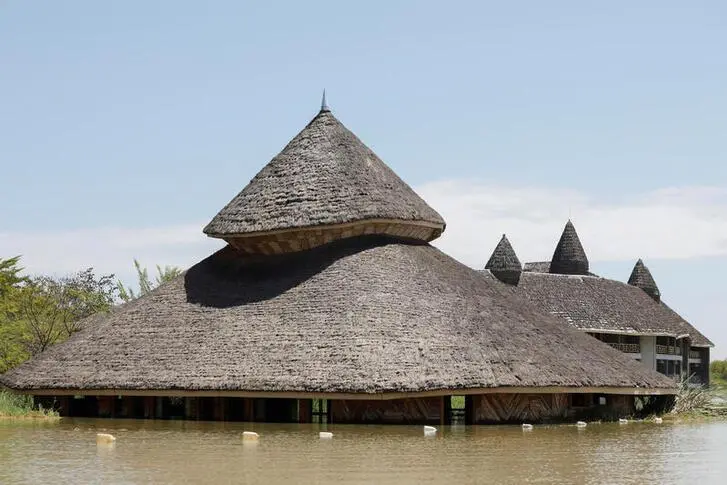
In East Africa, where Kenya, Tanzania and Uganda are focusing on upscale safari lodges and exclusive beach resorts, he says that tourism success cannot come at the expense of local inclusion.
He asserts that the luxury model, which aims to attract fewer tourists who spend more while conserving natural assets, is structurally imbalanced. This model threatens to enrich foreign investors while marginalising host communities.“Luxury tourism strategies have inevitably resulted in the establishment of enclaves where resorts and parks develop limited economic and cultural linkages with the rest of the country,” the study reads.
The risk is that this economic concentration could fuel resentment if ordinary citizens feel excluded from the benefits.
The study shows that Mauritius built its global brand around exclusivity and that its government chose to limit flight access and keep prices high to preserve its image as a luxury island.
The fragility of this exclusivity was exposed by the onset of the Covid-19 pandemic, which halted European travel and caused the Mauritian economy to dip by 15 percent in 2020. This forced the government to relax its air access policies.
In Botswana, the Okavango Delta is marketed as the crown jewel of African luxury, with camps costing $1,500 per night and celebrity guests, but this has had an uneven local impact.
The study shows that 82 percent of accommodation facilities in the Okavango Delta are foreign-owned and that only 11 percent of tourism companies pay their taxes locally.
In Rwanda, the government doubled down on its focus on luxury tourism, raising the price of gorilla-trekking permits to $1,500 for both the locals and foreigners alike in 2017. While this boosted the country’s revenues, with the tourism sector earning $647 million in 2024, it did not create more jobs.
Most of the high-end lodges are foreign-owned, meaning the local industry employs barely four percent of the labour force.“The government’s long-horizon orientation has proven to be a curse as officials remain committed to the idea that achieving luxury tourism status in the long term will deliver its goals, showing blindness to addressing inequalities that may arise in the short term,” the study says.
© Copyright 2022 Nation Media Group. All Rights Reserved. Provided by SyndiGate Media Inc. (Syndigate.info).