PHOTO
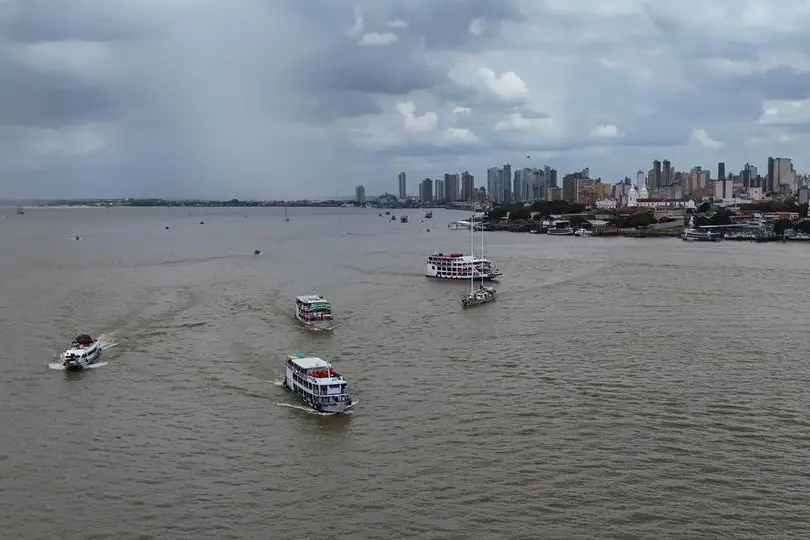
Thirty years have passed since the start of climate talks. Ten years since the Paris Agreement. Now, as delegates gather in Belém for COP30, Hurricane Melissa has delivered a message louder than any communiqué could ever be.
Jamaica had invested millions in coastal defences: mangroves planted, seawalls reinforced, and infrastructure hardened against the intensifying storms scientists had long predicted. It was not nearly enough. Melissa's 185-mile-per-hour winds destroyed homes, washed away roads, and knocked out power grids across the island. In Black River, a seawall collapsed under the surge, flooding two-thirds of the historic town. Insured losses may reach $4 billion. The brutal lesson is today's Category 5 storms are outpacing what even recently-built defences were designed to handle.
A decade after Paris, the promises made with such ceremony have collided with uncomfortable arithmetic. Rich nations provided $26 billion for climate adaptation in 2023, falling short of even the modest $40 billion goal set for 2025, and nowhere near the $310 to $365 billion the UN estimates will be needed annually by 2035. Spain and Germany's $100 million pledge to a new World Bank programme offers a glimmer of progress, but each shortfall compounds the next, eroding not just budgets but trust in the multilateral system itself.
Yet the Philippines demonstrates what preparedness can achieve. Typhoon Kalmaegi killed over 200 people last week, followed quickly by Fung-Wong. But early warning systems and coordinated evacuations moved 1.4 million people to safety. Some communities are adapting and surviving, while others are overwhelmed and counting their losses, all facing storms that intensify with each passing season. For nations watching from afar, particularly those balancing green transitions with development, it's clear storms spare no one, but response determines survival.
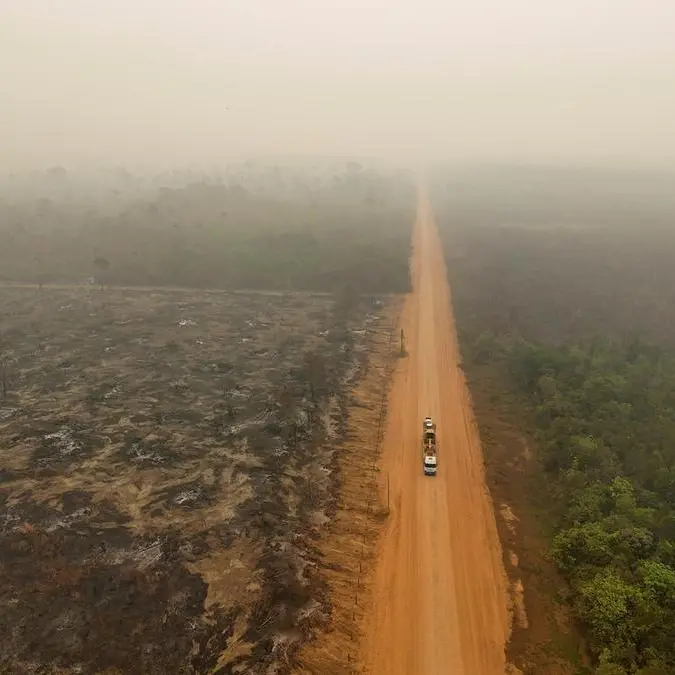
This year’s summit sits in a new power landscape. With no senior United States officials present, China, India and Brazil have stepped forward, pairing calls for equity with demands for faster cuts. Brazil’s President Lula opened by declaring a COP of truth and warning that those who attack science also weaken multilateralism. The irony was not lost on observers: Brazil champions climate ambition while simultaneously advancing new oil exploration in the Amazon.
The summit’s integrity faces threats. Fossil fuel lobbyists crowd the halls. AI-driven disinformation spreads doubt, despite strong public support for climate action across the majority of countries. Over 10% of social media posts decry “hypocrisy,” from private jets to an Amazon highway to Belém. TikTok posts tie COP30 to açaí bowls, noting climate pressures on Amazon berries. These critiques resonate with those who pledge green. In one sense, the excuses have run out. The science has been settled for years. The technology exists and is increasingly cost-competitive, and analysis shows inaction will cost more than action in virtually every scenario. What remains is political will, the hardest resource to summon and the easiest to defer.
Yet there are reasons for persistence. The Paris Agreement was designed as a framework to be strengthened through successive rounds of ambition, each building on the last. This makes it possible for nations to persist in showing up, voicing their opinions, and advocating for advancement, even at the expense of political capital. From India forcing language changes on coal phase-down to small island states maintaining their voice despite existential threat, the process retains legitimacy where it matters most.
But legitimacy without delivery wears thin. As Jamaica rebuilds and the Philippines mourns, the gap between Paris’s promises and Belém’s delivery has never been more visible. Next week, as talks end, the question looms: will the world close the gap between aspiration and action, or delay another decade?
The writer is an environmental strategist and advocate for sustainable development. Follow her on LinkedIn@rumaithaalbusaidi
2025 © All right reserved for Oman Establishment for Press, Publication and Advertising (OEPPA) Provided by SyndiGate Media Inc. (Syndigate.info).