PHOTO
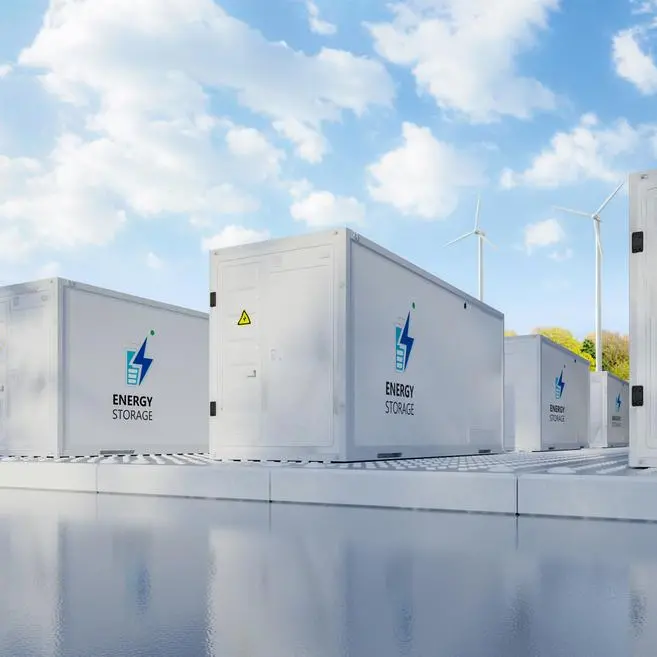
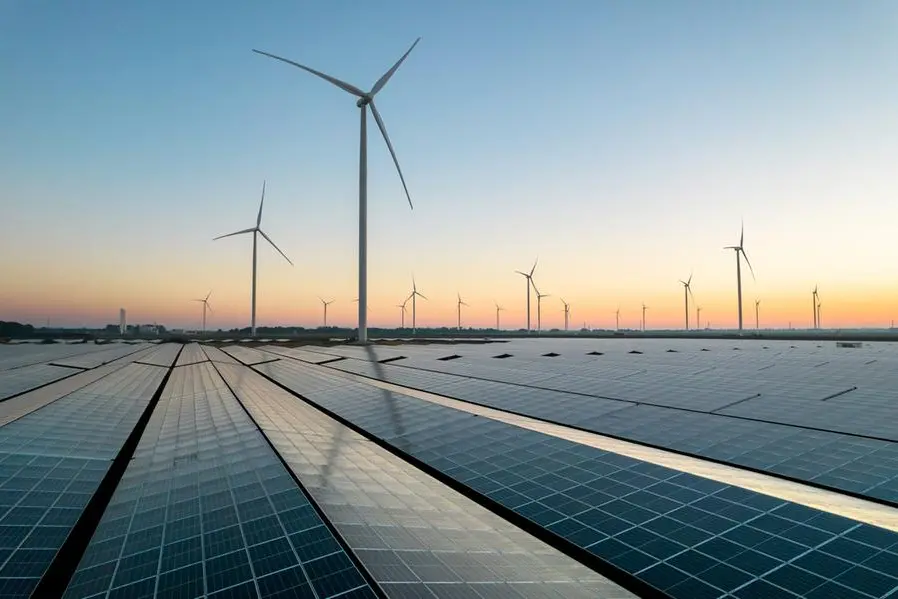
Libya aims to produce more than 20 percent of its electricity from solar and wind projects in 2025, and this will allow it to boost crude and gas exports, its oil minister has said.
Khalifa Abdul Sadiq told an energy conference in Baghdad at the weekend that Libya has introduced incentives to encourage renewable energy projects.
“Libya is targeting 20 percent renewable energy production in 2025…projects include solar and wind power,” he said.
“This will allow the country to save its oil and gas wealth and boost exports, which will generate more revenue for the state,” he added.
In July, Infinity Libya, a subsidiary of Infinity Group, and Al-Jouf Free Zone told the Libya Herald newspaper that it had officially completed and delivered Libya’s first-ever 1 MW solar power plant in Kufra.
The plant, with a planned capacity of 1.14 MWp, was developed in collaboration with Lamsa Company for General Contracting and Real Estate Investment as the main contractor.
The plant will produce up to 2,182 MWh of clean electricity annually, directly supplying the energy needs of the Al-Jouf Free Zone.
In March 2025, Libyareview.com said the country is on the verge of inaugurating its first and largest solar power station, a project three years in the making, announced Dr. Abdul Salam Al-Ansari, the head of the Renewable Energy Authority.
The Sedadah Solar Power Station is poised to begin production in 2026, marking a significant step in Libya’s renewable energy ambitions.
According to the Washington-based Energy Platform, the under-construction facility boasts a capacity of 500 gigawatts and is being developed in partnership between Libya’s General Electricity Company and French energy giant TotalEnergies.
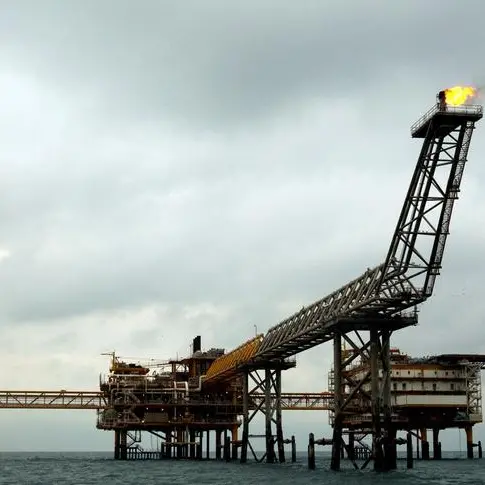
Abdul Sadiq said Tripoli is working with international partners from the US and other countries to improve production methods and reduce gas flaring, making exports more flexible as gas sales approach oil levels.
In a report on Sunday, Libya’s oil ministry said the country’s oil production stood at around 1.35 million barrels per day. Libya is exempted from OPEC production quotas due to its internal conflict.
(Writing N Saaed; Editing by Sona Nambiar)
Subscribe to our Projects' PULSE newsletter that brings you trustworthy news, updates and insights on project activities, developments, and partnerships across sectors in the Middle East and Africa.