PHOTO
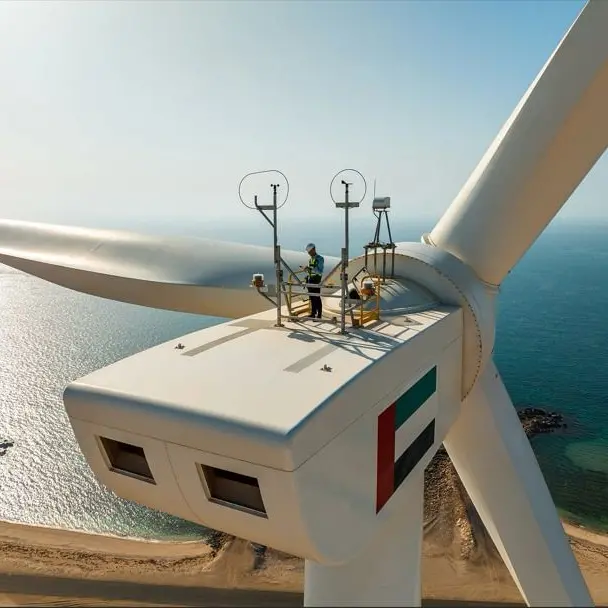
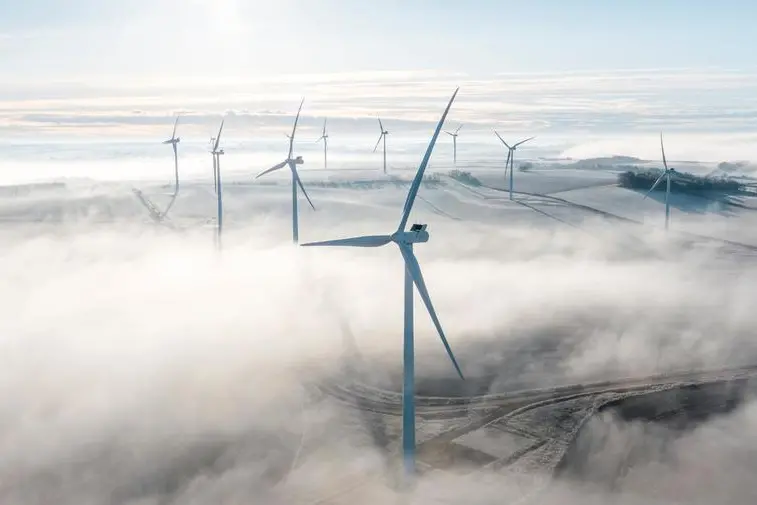
Wind energy is becoming the driving force behind Morocco’s electricity mix as it pushed renewable production to record levels and steadily reduced dependence on fossil fuels, according to the National Electricity Regulatory Authority (ANRE).
By the end of 2024, the country’s wind energy capacity reached 2,390 MW, up 18.5 percent from the previous year, representing 44 percent of total installed renewable energy capacity and 20 percent of total installed capacity across all energy sources, ANRE said in a report this week.
This growth reflects the commissioning of two major projects: the 270 MW Jbel Lahdid Independent Power Producer (IPP) project near Essaouira, procured by ONEE and the 100MW Repowering Koudia al Baida IPP project in Tetouan, procured by MASEN.
The report showed wind power generation surged to 9,363 GWh in 2024, a 43 percent increase from 2023, accounting for 21 percent of total national electricity production and 80 percent of renewable energy output.
Most of this electricity came from IPP operators under power purchase agreements (PPAs) signed with ONEE (47 percent) and private operators in the liberalised market (43 percent) under Law No. 13-09, with ONEE, MASEN, and self-consumption producers contributing smaller shares.
Total renewable capacity reached 5,439 MW at the end of 2024, accounting for 45 percent of Morocco’s electricity mix, with wind leading (44 percent), followed by hydro (24 percent), solar (17 percent), and pumped-storage hydropower (15 percent), according to the report.
(Writing by N Saeed; Editing by Anoop Menon)
Subscribe to our Projects' PULSE newsletter that brings you trustworthy news, updates and insights on project activities, developments, and partnerships across sectors in the Middle East and Africa.