PHOTO
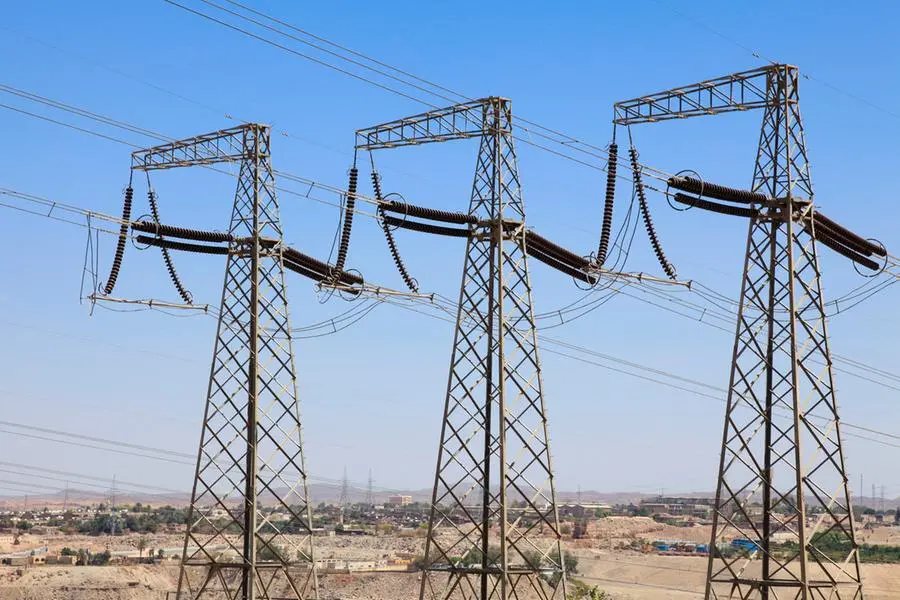
Egypt invested approximately EGP 26.5bn in fiscal year 2024/2025 to modernize and expand its power transmission network, enhance grid efficiency, and integrate renewable energy into the national grid, the Ministry of Electricity and Renewable Energy said.
Minister of Electricity and Renewable Energy Mahmoud Esmat reaffirmed the government’s commitment to ensuring the availability of high-quality, continuous, and stable electricity while accelerating projects to upgrade and modernize the transmission system to accommodate the growing capacity of renewable sources.
Esmat made the remarks while chairing the Ordinary General Assembly meeting of the Egyptian Electricity Transmission Company (EETC), noting that the national grid is undergoing continuous development through the construction of new transmission lines, reinforcement of existing ones, the establishment of new transformer substations, and expansion of operational stations.
He said Egypt’s energy transition strategy—focused on expanding renewable energy, increasing reliance on clean sources, and preserving the environment—is being implemented alongside a comprehensive plan to enhance grid efficiency, reduce fuel consumption, and transform the traditional grid into a smart grid capable of efficiently handling large-scale generation, particularly from renewables, in line with international standards.
“The plan aims to reduce technical losses, ensure sustainable transmission from all generation sources, and promote economic operation through institutional efficiency, quality policies, optimal use of assets, and strict environmental and safety standards, supported by highly skilled human and technological capabilities,” Esmat added.
Mona Rizk, Chairperson of EETC, presented the company’s performance report for FY2024/2025, confirming that all planned targets were achieved. She said the investments – totaling around EGP 26.289bn – were directed toward rehabilitating and renewing extra-high and high-voltage substations and transmission lines, completing ongoing projects, and implementing new expansions.
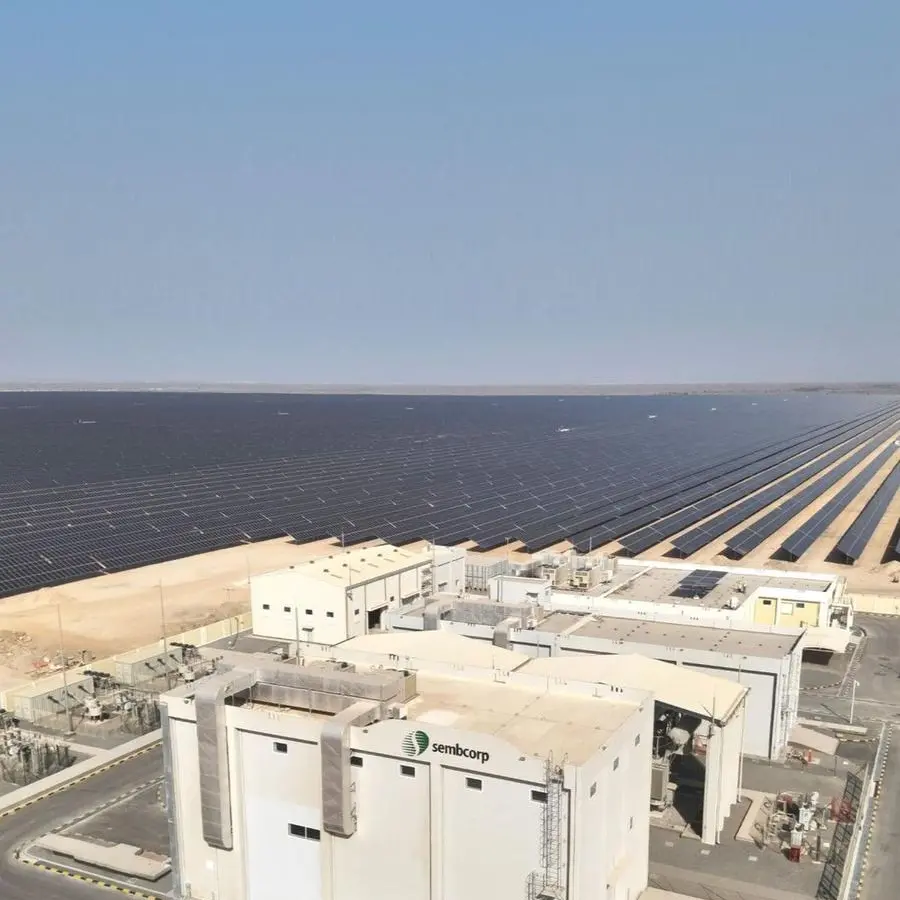
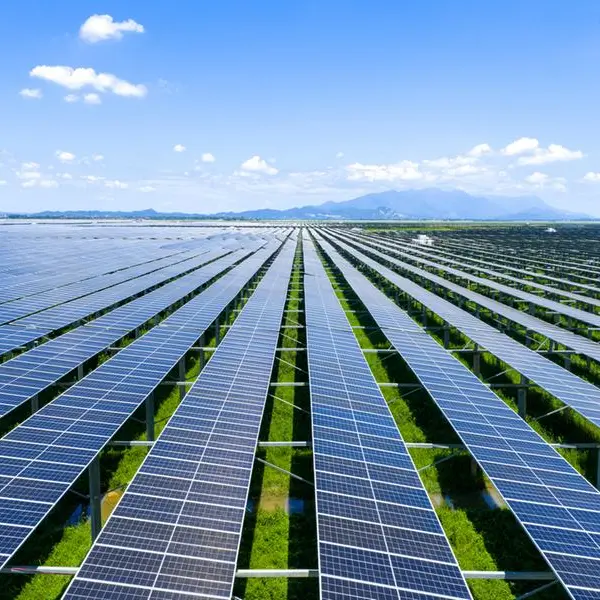
Rizk noted that the total number of extra-high and high-voltage substations now stands at 819, with a combined capacity of 230,000 MVA, while transmission lines span approximately 61,000 kilometers. Renewable energy sources, including wind, solar, hydropower, and battery storage, account for about 14% of the national grid’s installed capacity, as Egypt moves toward its 2030 target of 42% renewables.
The ministry is also developing Egypt as a regional energy exchange hub. Existing interconnections with Jordan, Libya, and Sudan are being strengthened, while the Egypt–Saudi Arabia interconnection project is underway, along with ongoing projects with Greece and Italy.
Rizk highlighted that the grid is operated under an economic dispatch system, with daily monitoring and coordination with the petroleum sector to maintain safe operations, reduce fuel consumption, and ensure stability across both electricity and gas networks.
She added that maintenance programs and the optimal operation of transmission networks have improved technical performance indicators. Upgrades to protection systems and power compensation equipment, including capacitor banks, reactors, and advanced systems (STATCOM and SVC), have enhanced voltage levels and power factor across the grid.
The grid is now monitored through the National Control Center in the New Administrative Capital and regional centers, as part of a broader digital transformation plan that introduces advanced software and applications to streamline administrative and technical operations, in line with Egypt’s smart grid objectives.
© 2026 Daily News Egypt. Provided by SyndiGate Media Inc. (Syndigate.info).