PHOTO
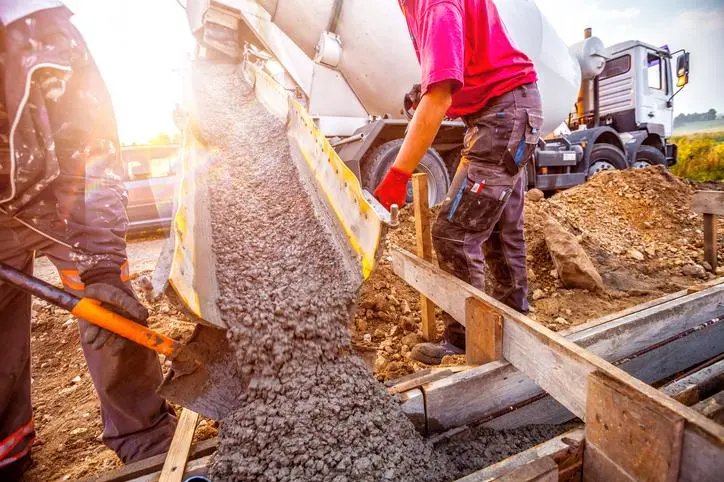
Egypt's decision to suspend building licence issuance and ban construction activities for six months in highly populated major cities has led to 20 per cent decline in demand for cement and steel rebars in the local market.
The decision also negatively impacted traders and developers, especially those who build in major cities.
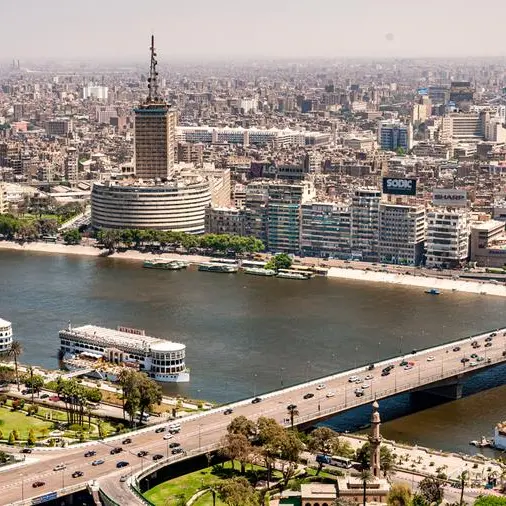
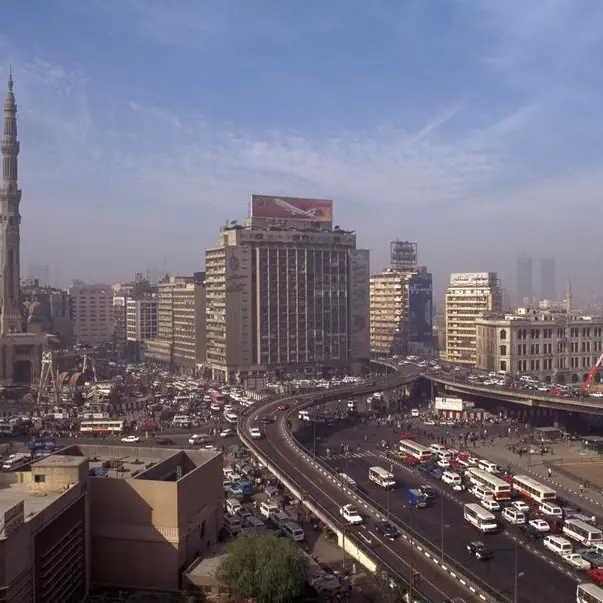
Egypt's Ministry of Local Development (MLD) on May 24, 2020 notified its decision to suspend building licence for six months in the governorates of Greater Cairo -- which includes Cairo-Giza-Qalyubia --, Alexandria, provincial capitals and major cities with high population density.
The decision included prohibiting construction works, expansion, raising or modifying them for private housing, and stopping the completion of construction works for buildings that are being implemented for six months. The decision excluded industrial, tourism and government establishments and national projects because they are projects that serve the citizens and the national economy.
The ministry said it aims to review licensing system to ensure that they fulfill the conditions set by the government for the construction of buildings and housing.
As expected, the decision severely affected the building materials sectors, especially cement and rebar, which depressed demand and ultimately production in factories.
Ahmed Al-Zaini, Chairman of the Building Materials Division, Federation of Egyptian Chambers of Commerce (FEDCOC), told Zawya Projects that the decision resulted in a 20% decline in the volume of demand for rebar and cement in the local market.
Mohamed Elsabaa, sales manager at Tawa Town Real Estate Company, which implements residential projects in Cairo, said that the developers were also affected by the decision, especially those who build in major cities.
Al-Zaini said that the factories in Egypt produce 50 million tonnes of cement and about 7.5 million tonnes of rebar annually and are fully consumed locally.
He added that the Egyptian factories could produce more quantities than that if real estate activities were allowed to resume in the cities.
Al-Zaini added that national projects such as roads, expansions, infrastructure, and major real estate projects consume about 60 per cent of the production of rebar and cement factories, but merchants depend on private sector projects inside cities.
Al-Zaini expects that the ban will be extended to control construction violations inside cities, and therefore he demanded to allow the expansion of real estate projects around cities to overcome the negative impact of the decision.
He said rebar prices in the local market have come down to 9,500 pounds per tonne from 11,000 pounds last year. Similarly, cement prices dropped to 750 pounds per tonne from 950 pounds last year.
Mohamed Hanafy, director of the Cairo Chamber of Metallurgy at the Egyptian Industrial Federation, said that the decision prompted rebar factories to reduce production more than 50 per cent as a result of weak demand and high inventories.
He said that trading of more than 90 commodities related to the real estate sector such as cement, rebar, paints and finishing materials has been severely affected.
Hanafy said that rebar factories in Egypt produce about 7.5 million tonnes annually for local consumption, while their installed capacity is more than 14 million tones.
(Writing by Eman Hamed; Editing by Anoop Menon and Bhaskar Raj)
(anoop.menon@refinitiv.com)
#Egypt #Construction #Manufacturing
Disclaimer: This article is provided for informational purposes only. The content does not provide tax, legal or investment advice or opinion regarding the suitability, value or profitability of any particular security, portfolio or investment strategy. Read our full disclaimer policy here.
© ZAWYA 2020