PHOTO
Recent moves by Syria’s government to reassert control over major oil and gas assets combined with sanctions relief and early foreign engagement could pave the way for a gradual recovery in production from 2026, according to consultancy Wood Mackenzie.
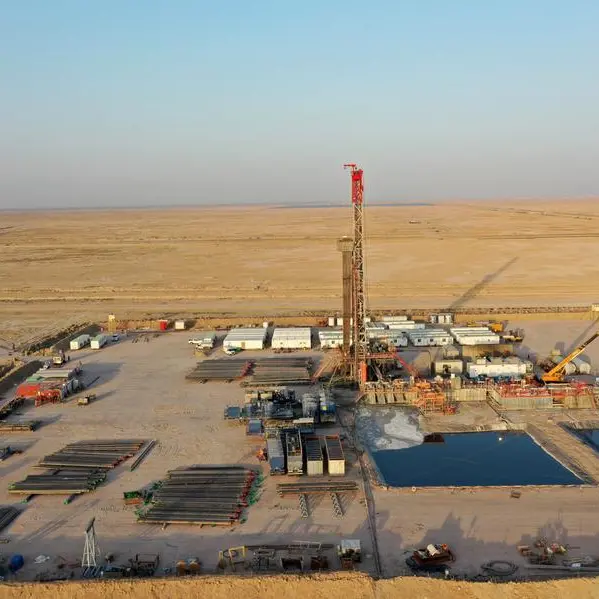
Syrian government forces have moved to reassert control over key oil and gas assets in Deir ez-Zor and Al-Raqqah provinces, including the Omar oil field (the country's largest) and the Tabiyeh gas field, following a withdrawal by the Kurdish-led Syrian Democratic Forces (SDF) under a newly announced 14-point agreement with Damascus.
The deal provides for a ceasefire, the handover of energy assets – including fields in Al-Hasakah province – border crossings and civil institutions to the central government, and the gradual integration of SDF elements into state structures, Wood Mackenzie noted in its statement.
Alexandre Araman, director, Middle East Upstream at Wood Mackenzie, said: "The transfer of control over Syria's northeast could mark a structural turning point for the country's energy sector. Unified governance, sanctions relief and early foreign engagement lay the groundwork for a gradual upstream recovery."
Before 2011, Syria produced about 380,000 barrels per day (bpd) of oil and around 900 million cubic feet per day (mmcfd) of gas. By 2021, oil output had fallen to between 50,000 and 80,000 bpd.
“While infrastructure and political risks remain, particularly in the near-term, Syria's resource base, combined with strong domestic gas demand and persistent power shortages, makes a compelling case for selective re-entry, starting with gas and expanding into oil as export routes are restored," Araman added.
The consultancy said it expects oil production to begin recovering in 2026, initially driven by low-cost workovers, artificial lift upgrades and surface facility repairs.
“More meaningful growth will depend on foreign capital, technology transfer and access to export routes,” the statement noted.
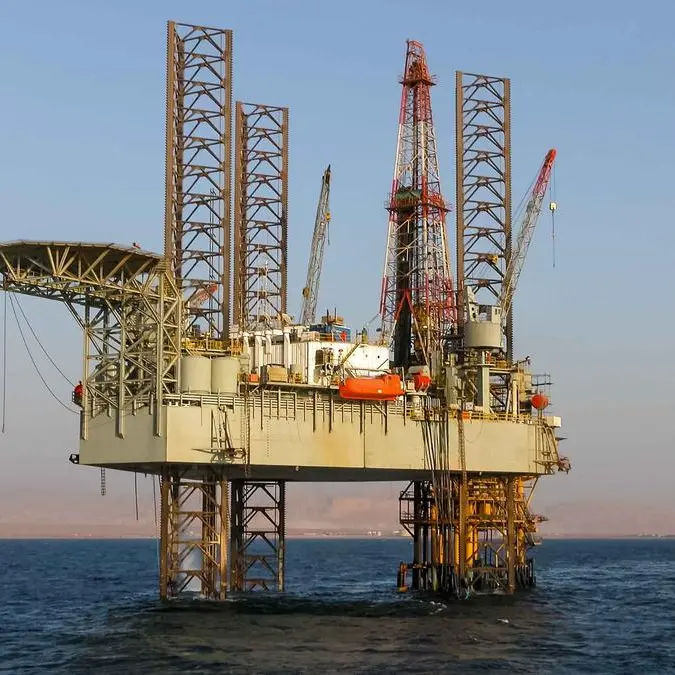
Wood Mackenzie estimates Syria retains remaining discovered oil and gas resources of at least 1.3 billion boe (Barrel of Oil Equivalent), with large areas of the country still underexplored. The offshore sector remains entirely untapped, with no exploration wells drilled to date.
Several international energy companies have already moved to re-enter the country. In November 2025, Dana Gas signed a memorandum of understanding to redevelop key gas fields, while additional MoUs have been announced involving ConocoPhillips and Novaterra.
Four Saudi firms - TAQA, ADES, Arabian Drilling and Arabian Geophysical and Surveying - have also signed agreements to provide technical support.
Gas-focused operators are expected to re-enter first, reflecting the comparatively safer operating environment in the Palmyride Basin and the strategic priority of power generation, according to the statement.
In November 2025, Syria’s Ministry of Energy signed the final agreements for the construction of eight new power generation plants with a total capacity of 5,000 megawatts (MW) under the public-private partnership (PPP) model.
(Writing by SA Kader; Editing by Anoop Menon)
Subscribe to our Projects' PULSE newsletter that brings you trustworthy news, updates and insights on project activities, developments, and partnerships across sectors in the Middle East and Africa.