PHOTO
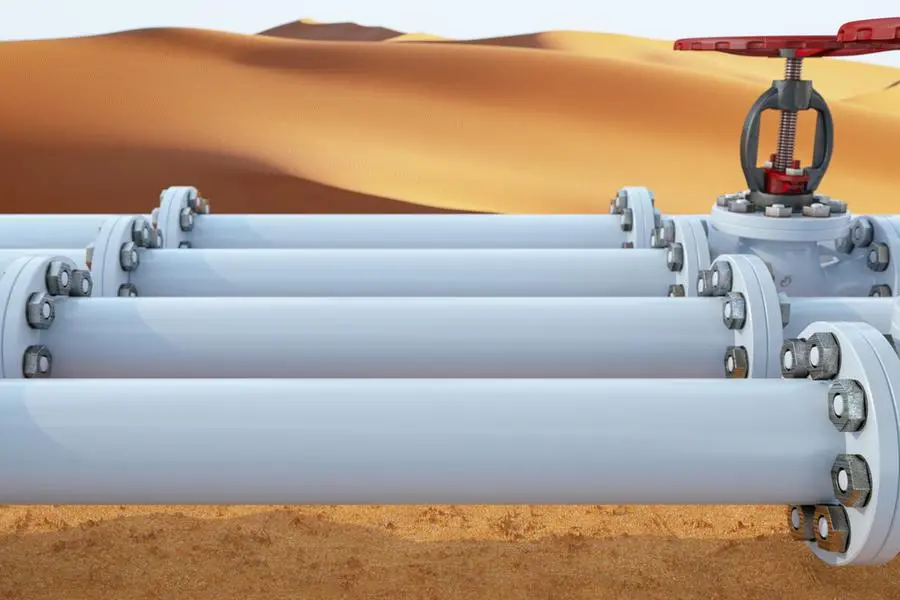
A project to extend an oil export pipeline from Iraq via the Syrian port of Banias is still under study, according to the Iraqi oil ministry.
“Iraq is exploring alternative routes to its existing maritime outlets,” Ministry spokesman Salim al-Rikabi told the official news agency.
"The project to extend an Iraqi oil export pipeline via the port of Banias in Syrian territory is still under study,” he added.
He noted that there is a linked project, which requires first extending the Basra-Haditha pipeline to transport crude oil to Haditha. “Afterward, planning will begin for an alternative pipeline to the Turkish side,” he said.
He added, "The project's feasibility study is ongoing, and once the pipeline is completed, it will replace the tankers currently transporting oil through Syrian territory."
According to Rikabi, the project will provide greater flexibility if implemented, as Iraq is exploring alternative routes to its existing maritime outlets in the Gulf and the Turkish port of Ceyhan to offer greater flexibility in export operations.
Iraq’s Foreign Minister Fuad Hussein visited Damascus on Monday and confirmed that he discussed with Syrian President Ahmed al-Sharaa a project to extend an Iraqi oil pipeline, sponsored by a foreign company that would pass through Syrian territory.
Last month, Iraq’s Prime Minister Ali Al-Zaidi and US Special Presidential Envoy Tom Barrack had agreed to advance the memorandum of understanding with US-based TI Capital to rehabilitate the Kirkuk-Baniyas Pipeline as a vital oil export route.
Iraq already exports more than 200,000 barrels per day (bpd) of crude via the northern Kirkuk-Ceyhan pipeline but the pact governing this pipeline expires on 27 July after Turkey decided to terminate it last year. Iraqi officials said last week the two sides will hold talks on a new agreement to ensure the continuation of exports.
(Writing by N Saeed; Editing by Anoop Menon)
Subscribe to our Projects' PULSE newsletter that brings you trustworthy news, updates and insights on project activities, developments, and partnerships across sectors in the Middle East and Africa.