PHOTO
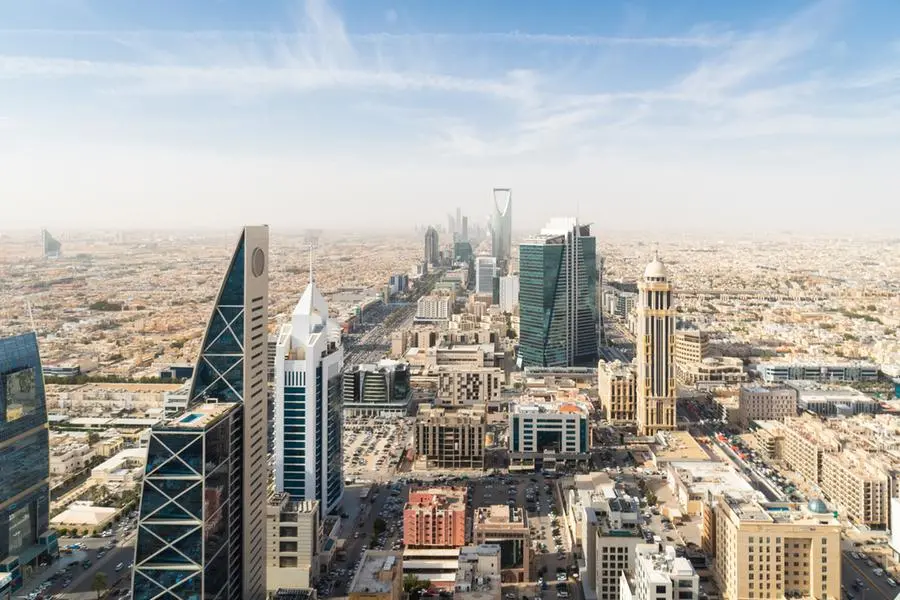
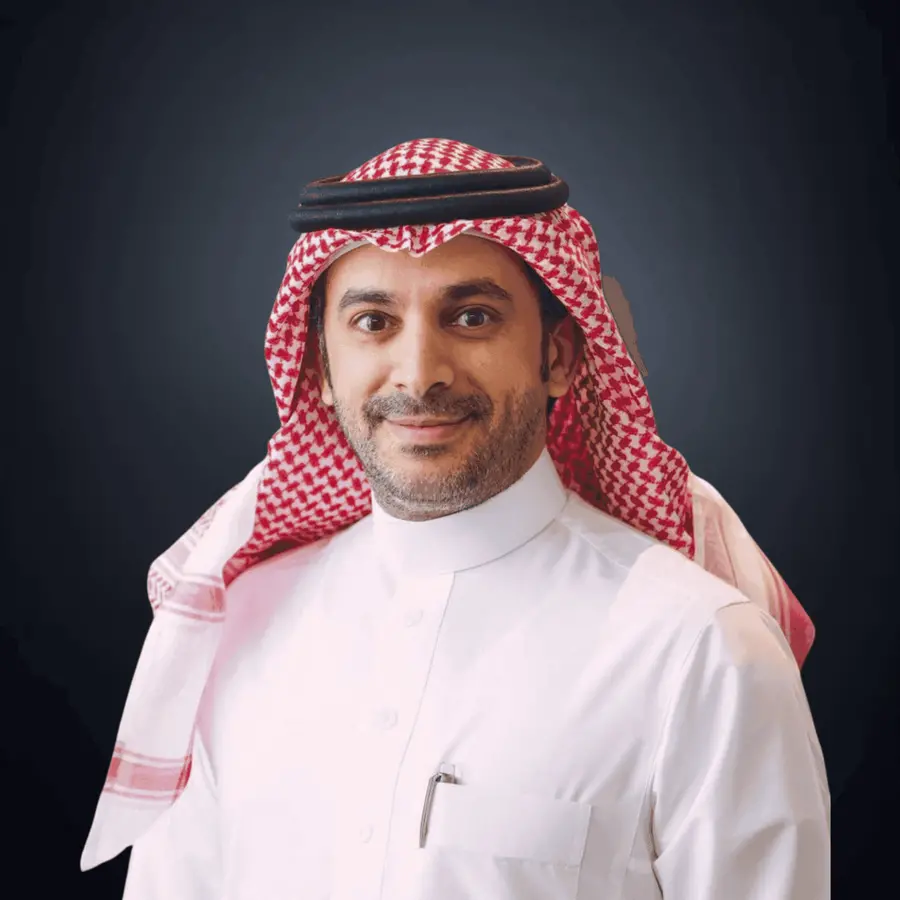
Saudi Arabia’s flagship special integrated logistics zone adjacent to an airport, Riyadh Integrated, has leased 55 percent of its first-phase land area and is preparing to launch Phase 2, according to Mohammed Alasseri, Chief Operating Officer of Special Integrated Logistics Zone Company (SILZ).
SILZ is the developer and operator for airport-adjacent logistics zones in the Kingdom.
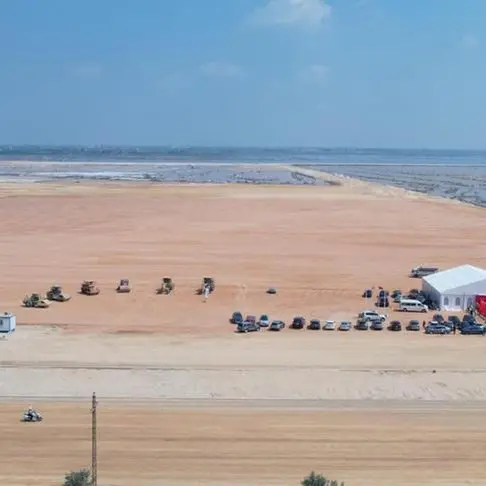
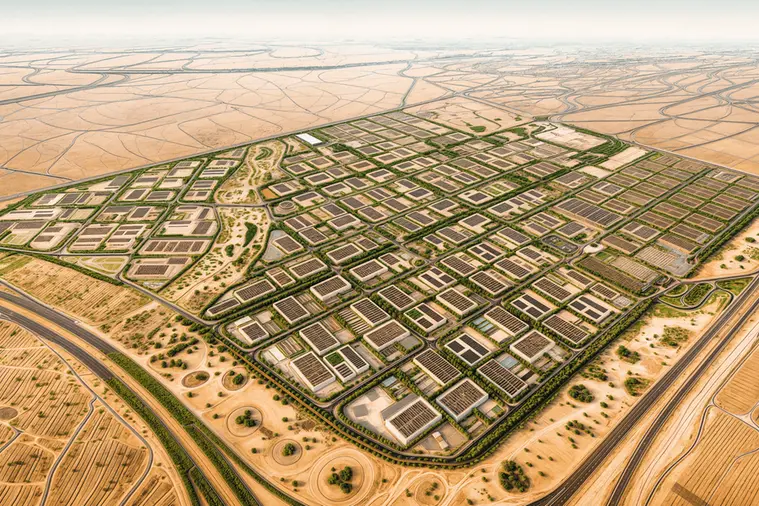
Alasseri told Zawya Projects that Phase 1 of Riyadh Integrated covers 1.5 million square metres (sqm) of land area with a leasable portion spanning 1 million sqm. With 55 percent leased out, they are currently focusing on the remaining 45 percent comprising mainly of smaller land parcels.
“Our focus for the months ahead would be to lease the remainder of Phase 1and enable the development of Phase2 [which will span a total area of 1.6 million sqm],” he said in an interview on the sidelines of Belt and Road Summit in Hong Kong.
Located 8 km from King Khalid International Airport’s cargo village, Riyadh Integrated spans 3 million sqm with 2 million sqm of leasable area. Its core offerings include pre-built warehouses, build-to-suit units, land plots, offices, and showrooms.
Alasseri added that they have allocated land in Phase 1 for building and leasing out to tenants.
Bluechip tenant base
Riyadh Integrated's Phase 1 clients include Singapore-headquartered fast fashion giant Shein; technology major Lenovo, headquartered in the US and China; US-headquartered health and wellness online retailer iHerb; Sapphire, a joint venture for between Japan’s Softbank and PIF-owned Alat for manufacturing industrial robots; Unipart, a 3PL provider for Apple, and Chalboub Group, the Dubai-headquartered luxury goods retailer.
The Zone's permitted activities range from light assembly, manufacturing and repair to trade and distribution, import/export, recycling and logistics services. Targeted sectors include ICT, pharma and medical supplies, consumer commerce, luxury goods, aerospace, perishables, precious metals, minerals, medical devices and equipment, and autoparts.
Alasseri disclosed that while Riyadh Integrated is the flagship project under SILZ’s masterplan, there are two more such zones planned for the future.
Regulatory edge and incentives
SILZ’s differentiator vis-à-vis other economic zones in the Kingdom and in the region, according to Alasseri, is its regulatory setup under the General Authority of Civil Aviation (GACA), which provides a single-window system for processing and approving all permits, licenses and certifications needed to conduct activities within the zone.
Incentives offered for Riyadh Integrated include 50-year corporate tax relief, 0 percent income tax, exemptions on VAT, remittance and withholding taxes, and suspension of custom duties and import restrictions (including certification standards) for goods remaining in the zone or transported from ports. Labor nationalisation mandates are relaxed, and 100 percent foreign ownership is permitted.
“These incentives are already configured in the systems of the relevant government entities,” he said.
Alasseri also clarified that companies can sell part of their production into Saudi Arabia without a separate license, provided re-exports remain the primary activity.
“What we are doing with our regulator is monitor the ratio between items that go to the mainland versus going to be re-exported,” he said.
The SLIZ COO highlighted that Riyadh Integrated has zone-to-zone bonded corridors with other seaports and dry ports and bonded transit from other entry ports.
“We are promoting and encouraging seamless journeys for our tenants, be it within the zone or outside. We’re also enhancing the reverse logistics system, and finalising the carbon community system,” he said.
Smart infrastructure and sustainability
Alasseri said the Zone is being developed as a smart city, with IoT-enabled infrastructure, a digital one-stop shop for tenants, e-marketplace integration, and fully automated security systems. SILZ is also investing in building its own data centres.
“The data centre is under construction, but we are providing all the services with our hyperscaler cloud provider. All our hosting data centres are within Saudi Arabia and we're applying the very strict cyber requirement enforced by the Saudi government,” he stated.
Sustainability is mandatory: 30 percent of building energy must be from renewables, and lighting standards and material standards for buildings, roads must follow Royal Commission for Riyadh City (RCRC) guidelines.
“We’re arriving late in the game, which gives us the advantage of applying best practices,” said the COO.
Growth pathways
Alasseri said SILZ is open to multiple financing models for growth, including self-funding, partnerships with investment houses, and joint ventures.
“As a developer and operator, we are a profit-driven company,” he said. “We are open to any partnership structure that makes sense and helps us speed up and enhance outcomes.”
He said they are working with financial institutions in Saudi Arabia to explore ways to increase private sector participation.
SILZ is using platforms such as the Belt and Road Summit in Hong Kong to attract a diversified and resilient mix of global industry leaders as tenants, stated Alasseri. The investor criteria for Riyadh Integrated focuses on Industry leaders and product owners, Logistics Service Providers (LSP) and Regional and global distributors.
“We are not working in silos, we understand that we are dependent on the support of all the regions and countries,” he said.
He emphasised that SILZ’s presence at the Summit is not about promoting Saudi Arabia itself, as the Kingdom’s strategic location and government incentives for foreign investment already speak for themselves.
“Our aim is to highlight the scale of the opportunity because those who move first will secure the best opportunities to speed up and join this transformation,” he said.
(Reporting by Anoop Menon; Editing by SA Kader)
Subscribe to our Projects' PULSE newsletter that brings you trustworthy news, updates and insights on project activities, developments, and partnerships across sectors in the Middle East and Africa.