PHOTO
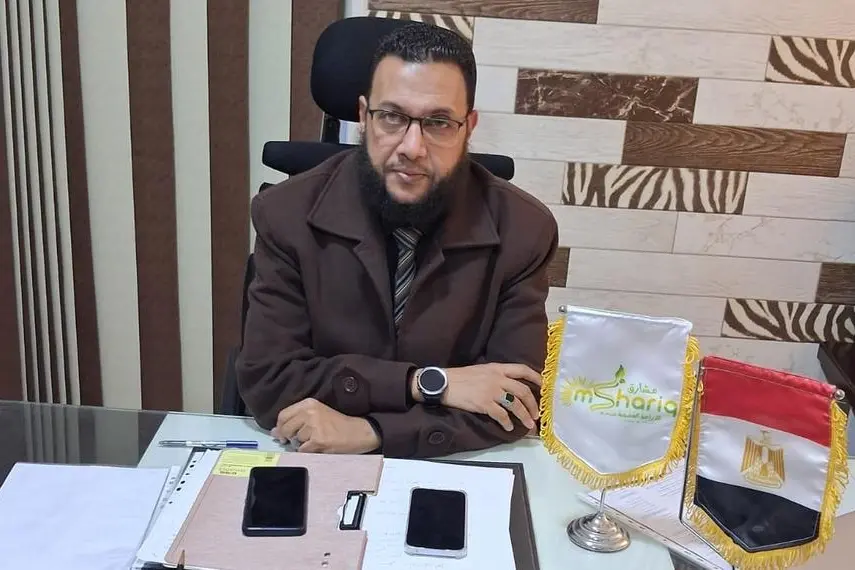
Egypt-based Mshariq Organic Agriculture is rolling out one of the country’s most advanced integrated organic agro-industrial projects in the New Valley Governorate, aiming to boost exports, create jobs and strengthen Egypt’s position in high-value agricultural markets, its chief executive said.
The company is currently implementing a 1,000-feddan land reclamation and development project in Farafra, scheduled for completion by the end of 2027, Abdel Rahman Eid, managing director and chief executive, told Zawya Projects.
He said the project combines organic cultivation with agro-industrial processing to maximise economic and environmental returns without disclosing the financial details of the project.
Founded in 2023 under Egypt’s Investment Guarantees and Incentives Law No. 72 of 2017, Mshariq has attracted nearly 100 shareholders, with nominal investments of about 50 million Egyptian pounds ($1.06 million). Its shares are registered with Misr for Clearing, Depository and Central Registry.
Eid said Mshariq has already completed the first phase covering 200 feddans, planted with moringa, a medicinal plant used in pharmaceutical and health products, and has completed its initial harvest with sales into both local and international markets.
A second phase of 200 feddans, including moringa and medicinal and aromatic plants such as chamomile, is scheduled to begin planting in May 2026, with preparations for a third phase under way.
The company also aims to produce up to one million tonnes of medicinal and aromatic plants, alongside date palms and other crops, Eid said.
“Our expansion strategy is disciplined and data-driven. We move fast, but never without feasibility studies and confirmed market demand,” he explained.
The farms operate under EU-certified organic standards, allowing exports to European and Gulf markets, where demand for certified organic products is rising.
As part of its integrated model, Mshariq plans to establish a specialised agro-industrial factory, including facilities for extracting medicinal and aromatic oils, drying and storage, date sorting and packaging, and future expansion into fodder crops and livestock.
“True profitability in agriculture comes from processing, branding, and exports- not raw production alone,” said Eid, adding that industry is a core pillar of its business model.
The entire project is expected to generate about 1,000 direct and indirect jobs, supporting economic development in the New Valley.
Eid said the company’s strategy aligns with Egypt’s goals on food security, export growth and desert reclamation, adding that the focus is on productivity and value addition rather than land expansion alone.
“We believe the true measure of success in agriculture is yield per feddan and value per tonne - not land size. Efficiency and sustainability are everything,” Eid stated.
He noted that Mshariq’s leadership and technical team brings more than 15 years of experience in managing agricultural investments exceeding 10,000 feddans across Minya, Beni Suef, and the New Valley.
(Reporting by Marwa Abo Almajd; Editing by Anoop Menon)
Subscribe to our Projects' PULSE newsletter that brings you trustworthy news, updates and insights on project activities, developments, and partnerships across sectors in the Middle East and Africa.