PHOTO
- Strategy& conducts survey to understand GCC consumers’ consumption levels and preferences in the Leisure and Entertainment sector
- Strategy& research outlines three priorities for GCC governments to align L&E offerings with consumers’ demands: Increase sensibility to arts and culture, focus on neighborhood-based entertainment and offerings, invest more carefully in theme parks
- Current L&E investments in GCC countries are ambitious. By working in partnership with the private sector, GCC governments can further develop this sector
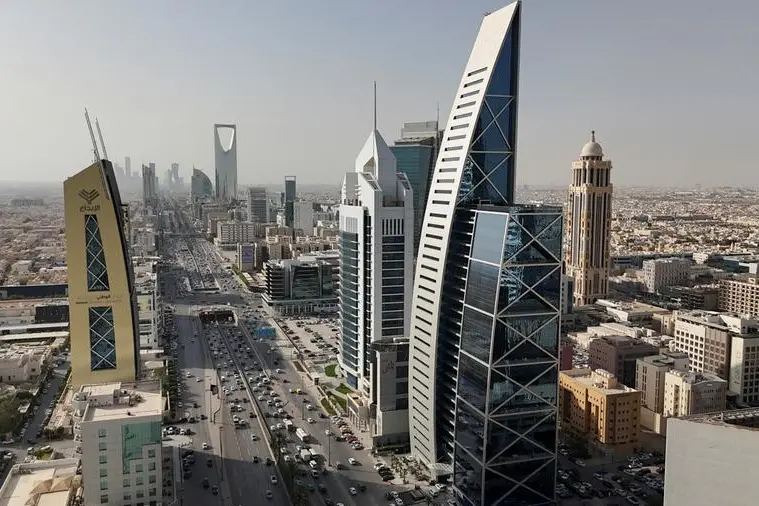
Riyadh, Saudi Arabia: Saudi Arabia is investing significantly and introducing major changes with the aim of building a thriving leisure and entertainment (L&E) sector and a comprehensive offering across segments, according to a new insight by the Ideation Center, the think tank for Strategy&, part of the PwC network.
The L&E sector is a central pillar of Saudi Vision 2030, the national development program, and its quality of life program. The objective is to improve the well-being of people in the country, boost the economy by creating jobs, and increase household spending in the domestic L&E market. As part of this effort, the government has created new entities such as the ministry of culture, the General Entertainment Authority, and the General Sport Authority. In addition, it will soon be announcing 11 more culture subsector bodies that will represent areas such as visual arts, performing arts, film, and music.
Saudi Arabia has opened several cinemas and now hosts international concerts and festivals. It continuously promotes neighborhood entertainment events and activities through its “Enjoy Saudi” platform (“3eeshha” in Arabic). The country is developing mega projects that include a major focus on entertainment and culture, such as Al Qiddiyah Entertainment City. Entertainment is also a key pillar of NEOM, the massive planned development project in northwest Saudi Arabia.
According to the report, Gulf Cooperation Council (GCC) governments can generate an incremental of US$3.4 billion annually by aligning investments in the leisure and entertainment sector (L&E) with consumers’ needs.
Bahjat El-Darwiche, partner with Strategy& Middle East, said: “L&E activities impact society’s well-being positively in a number of ways, through engaging nationally relevant culture and art activities, increasing citizen’s participation in recreational events and affirming belonging among diverse groups of people – which all leads to a higher quality of life. However, to get the most from their L&E initiatives, GCC governments have to prioritize investments to match the specific needs of the sector’s consumers.”
Strategy& conducts a survey to understand public consumption levels and preferences in L&E se ctor
To understand what the public’s current consumption levels and preferences are, the Ideation Center surveyed 1,200 consumers in the six GCC countries, and included nationals, as well as Arab, South Asian, and Western expatriates. For this purpose, the L&E sector was defined as comprising of six categories of activities, namely: home recreation, visual arts, live entertainment, neighborhood recreation, mega parks, and sports. The survey highlighted key findings in relation to L&E consumption preferences and levels:
- GCC citizens and residents place a premium on access to L&E options. Two-thirds of respondents see L&E as a “must” for quality of life and prosperity.
- Moreover, respondents see value in improving the quality and selection of L&E offerings. Among the primary benefits they perceive are a better lifestyle and increased happiness (69 percent of respondents), stronger family ties (50 percent of respondents), and stronger social connections (39 percent of respondents).
- Interestingly, GCC consumers reported generous spending on L&E activities, and that they are willing to spend more.
- Overall, GCC consumers claim to spend an average of 6.2 percent of income on L&E. By comparison, the average household in the U.K. spent around 4.2 percent of its income on the same L&E categories in 2018, according to government reporting.
Karim Sarkis, Senior Executive Advisor with Strategy& Middle East added: “Based on consumers’ self-reporting, an improvement in L&E offerings could potentially lead to an increase in spending by over $3.4 billion a year across the GCC. More than 78 percent of respondents showed willingness to increase their spending on L&E if the offerings were more aligned with their needs. This would correspond to an average increase in spending on L&E activities of 8.5 percent per household.”
Supply of L&E in the GCC
An assessment of the current and planned supply of offerings (in absolute and in proportional values) across visual arts, live entertainment, neighborhood recreation, sports, and theme parks was conducted, providing an understanding of the value proposition of each country.
UAE
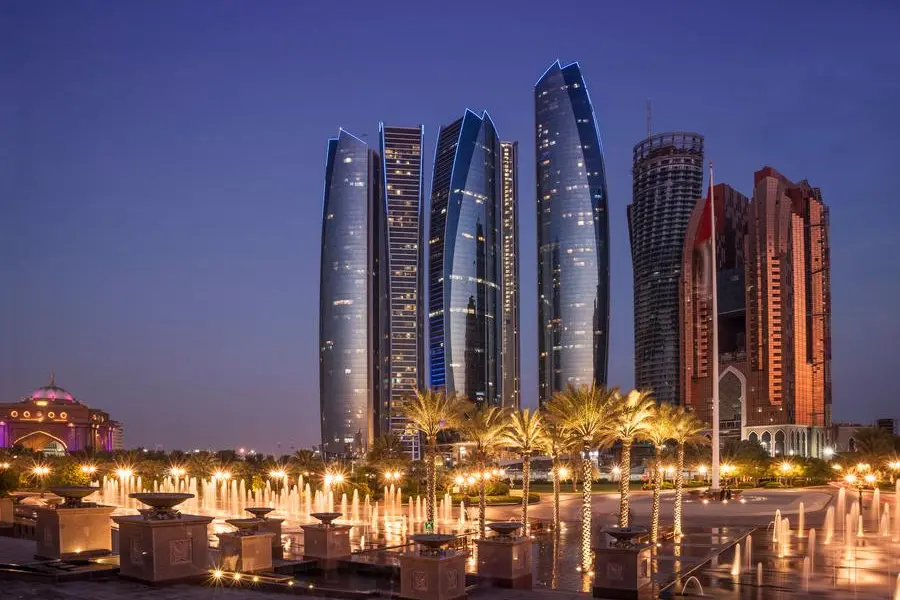
The UAE already has a strong existing supply of recreational activities and mega parks, coupled with renowned visual arts and live entertainment offerings.
Bahrain
Bahrain leads the region in terms of supply of cultural and neighborhood entertainment, especially its live entertainment sector (theaters and festivals).
Saudi Arabia
Saudi Arabia has a limited supply of L&E offerings relative to its population size. Yet if it achieves its 2030 plans, its overall L&E offerings, excluding sports, will be the richest and most diverse in the region in absolute terms.
Qatar
The supply of sports and visual arts offerings is well advanced and a priority in the country.
Kuwait
Providing cultural offerings is a main focus in Kuwait, with an emphasis on building libraries, and promoting visual arts, as well as accessible recreational options, especially outdoor parks.
Oman
Oman is notable for offering prestigious national and international opera performances, as it is home to the region’s oldest opera house.
All countries also have plans to further develop the visual arts and live entertainment scenes.
Alice Klat, director of the Ideation Center, said: “We compared available and planned offerings with GCC consumers’ consumption levels and preferences. Our survey findings show that there is a lower level of engagement with the cultural activities, as GCC consumers favor lighter L&E activities such as neighborhood recreation and sports. Based on survey results, this is due to the limited awareness, variety and cultural relevance of current activities.”
The survey also shows that these trends are likely to further intensify, as respondents aim to increase their consumption of sports activities, neighborhood recreation and theme parks. In contrast, engagement levels for visual arts and live entertainment are likely to remain flat or even decrease.
Opportunities for GCC governments
GCC governments have several opportunities to increase L&E demand and returns on investment, and grow sector economic contribution in the region. The Ideation Center has identified three priorities for GCC governments. These include:
- Increase sensibility to arts and culture
GCC consumers are not sufficiently engaged in arts and culture. GCC governments should start by making arts and culture offerings more available and accessible, publicizing them in dedicated public spaces. They should then encourage peoples’ participation through the creation of immersive and engaging experiences.
- Focus on neighborhood-based entertainment offerings
GCC governments should also incentivize investments to build a comprehensive neighborhood entertainment offering. Family entertainment centers should be prioritized for their high profitability (ROI of 20 percent or more). Outdoor urban parks should be made more available and accessible, especially closer to prime city locations.
- Invest more carefully in theme parks
While there is a growing demand for theme parks, GCC governments need to assess any opportunity carefully. Theme parks require large and complex investments, and there is typically a lengthy period before they break even, in part because of high operating costs. However if successful, they can increase jobs, attract tourism, and increase tax revenues.
“The current L&E investments under way in GCC countries are ambitious. By working in partnership with the private sector, GCC governments can develop the L&E sector so that it also opens the region to an influx of domestic and international tourists. In turn, this could unlock significant economic potential for the region, helping countries to fulfill their national development objectives,” concluded Melissa Rizk, senior fellow with the Ideation Center.
- ENDS -
About Strategy&
Strategy& is a global team of practical strategists committed to helping you seize essential advantage. We do that by working alongside you to solve your toughest problems and helping you capture your greatest opportunities. These are complex and high-stakes undertakings—often game-changing transformations. We bring 100 years of strategy consulting experience and the unrivaled industry and functional capabilities of the PwC network to the task. Whether you’re charting your corporate strategy, transforming a function or business unit, or building critical capabilities, we’ll help you create the value you’re looking for with speed, confidence, and impact.
We are a member of the PwC network of firms in 158 countries with more than 236,000 people committed to delivering quality in assurance, tax, and advisory services. Tell us what matters to you and find out more by visiting us at strategyand.pwc.com/me.
© Press Release 2019Disclaimer: The contents of this press release was provided from an external third party provider. This website is not responsible for, and does not control, such external content. This content is provided on an “as is” and “as available” basis and has not been edited in any way. Neither this website nor our affiliates guarantee the accuracy of or endorse the views or opinions expressed in this press release.
The press release is provided for informational purposes only. The content does not provide tax, legal or investment advice or opinion regarding the suitability, value or profitability of any particular security, portfolio or investment strategy. Neither this website nor our affiliates shall be liable for any errors or inaccuracies in the content, or for any actions taken by you in reliance thereon. You expressly agree that your use of the information within this article is at your sole risk.
To the fullest extent permitted by applicable law, this website, its parent company, its subsidiaries, its affiliates and the respective shareholders, directors, officers, employees, agents, advertisers, content providers and licensors will not be liable (jointly or severally) to you for any direct, indirect, consequential, special, incidental, punitive or exemplary damages, including without limitation, lost profits, lost savings and lost revenues, whether in negligence, tort, contract or any other theory of liability, even if the parties have been advised of the possibility or could have foreseen any such damages.