PHOTO
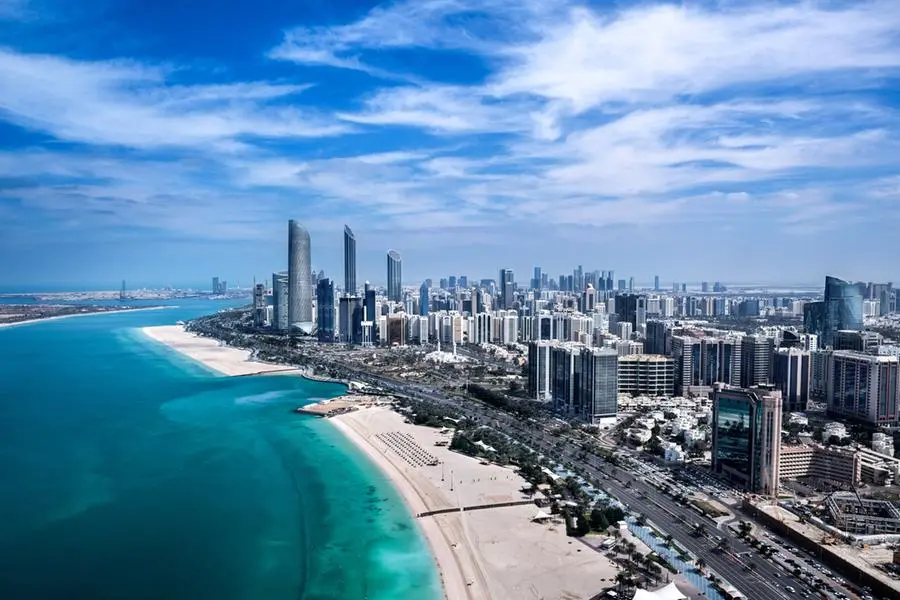
As global leaders convene for Abu Dhabi Sustainability Week (ADSW), new findings from HSBC’s Sustainability Pulse Survey highlight the UAE’s strong momentum in advancing sustainability and climate transition, broadly aligned with global trends. The UAE findings form part of HSBC’s Global Sustainability Pulse Survey, which captures insights from senior business decision-makers across 12 global markets.
Unrivalled ambition requiring deeper support
In the UAE, 94% of businesses believe the climate transition offers a commercial opportunity, either as a growing focus (58%) or a key strategic area (36%), reflecting strong confidence in linking sustainability with long-term value creation.
Looking ahead, 90% of UAE businesses plan to accelerate their climate transition approach over the next three years, more than 12 points higher than the global average, signalling strong intent to move from ambition to execution. In addition, 55% of UAE businesses plan to invest in climate-resilient infrastructure and technology to mitigate climate-related risks, over 11 points higher than the global average.
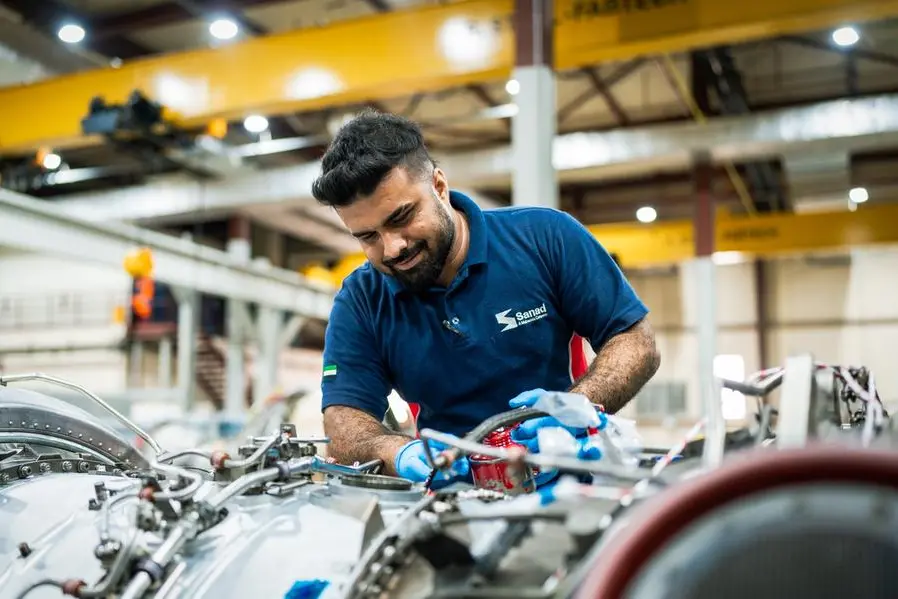
Technology adoption is already well underway, with more than half of UAE businesses identified as advanced adopters of climate technology (56%). At the same time, 53% highlight the need for greater availability of affordable financing to help scale and adopt climate technologies, reinforcing the role of financial institutions in supporting practical decarbonisation efforts.
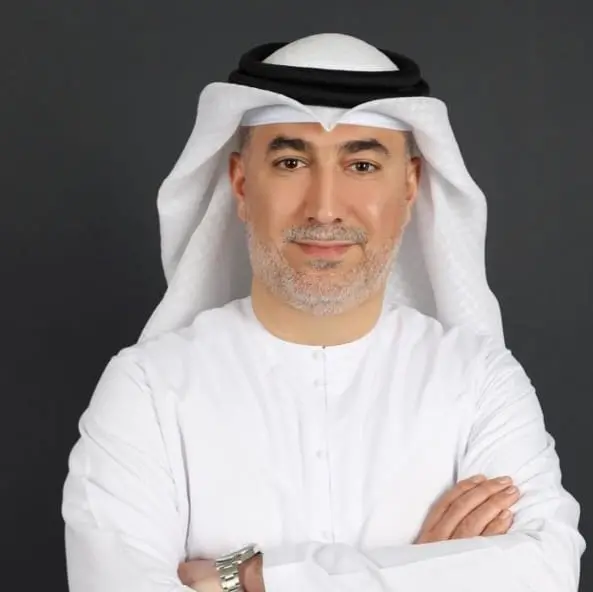
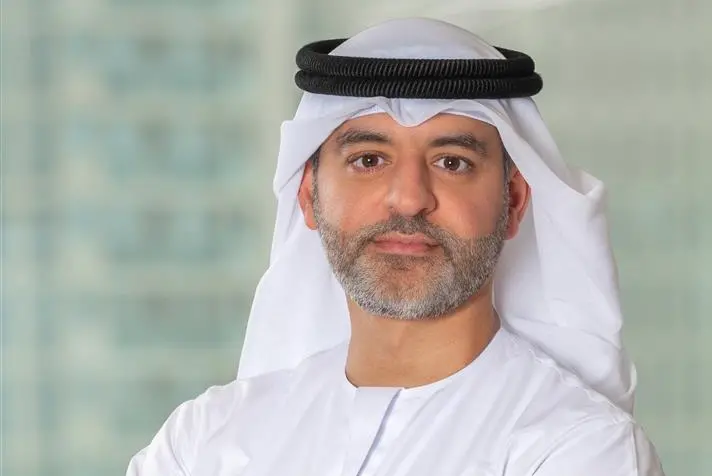
Commenting on the findings, Mohamed Al Marzooqi, Chief Executive Officer, UAE, HSBC Bank Middle East, said: “The survey underscores the extent to which sustainability is embedded in the UAE’s economic agenda, shaping how businesses compete, innovate, and grow. The nation’s forward-looking approach is driving investment in new technologies, resilient infrastructure, and future-ready talent – at a pace well-ahead of its global peers. We are partnering with our clients and stakeholders in the broader ecosystem to unlock the capital and expertise needed for this transition, ensuring the UAE remains at the forefront of sustainable growth and global competitiveness.”
Key additional findings:
- 89% of UAE businesses view the climate transition’s impact on brand and reputation as highly important
(versus global rate: 72% who rank long-term resilience and reputation as very important). - 44% of UAE businesses cite reduced market competitiveness as a key risk if climate transition targets are not met
(versus global rate: 34% citing loss of investor confidence or financing challenges as a key risk). - 53% of UAE businesses highlight the need for greater availability of affordable financing to scale climate technologies
(versus global rate: 45% across surveyed markets).
Jennifer Chammas, Regional Head of Sustainable Finance and Transition, Middle East, HSBC Bank Middle East Limited, added: “While ambition is high, the findings highlight the importance of practical enablers — particularly access to financing and scalable climate technologies. Turning transition plans into action will require collaboration across the ecosystem, from policymakers and corporates to financial institutions.”
Underscored by research at ADSW
The results of HSBC’s survey are further underscored by two key reports published at ADSW, and sponsored by HSBC, reflecting the increasing momentum in the UAE and broader GCC over the coming years:
- The UAE Alliance for Climate Action (UACA): Navigating Decarbonization: Assessing the UAE Non-State Actor Landscape and Potential , providing the first comprehensive overview of how more than 80 non-state actors are navigating decarbonization.
- The Mohammed Bin Rashid School of Government (MBRSG): Addressing the Physical Risks of Climate Change in the GCC: The Role of Policy and Finance, examining the escalating physical risks of climate change across the GCC and highlighting the key role of policy, finance, and robust institutions in strengthening climate adaptation and resilience across the region.
By combining global insights with detailed local findings and evidenced-based policy research, HSBC continues to support clients in navigating the transition to a more sustainable future, leveraging its international network and local expertise to help businesses turn ambition into action.
Media enquiries to:
Ahmad Othman
ahmad.othman@hsbc.com
HSBC in the MENAT region
HSBC is the largest and most widely represented international banking organisation in the Middle East, North Africa and Türkiye (MENAT), with a presence in nine countries across the region: Algeria, Bahrain, Egypt, Kuwait, Oman, Qatar, Saudi Arabia, Türkiye and the United Arab Emirates. In Saudi Arabia, HSBC is a 31% shareholder of Saudi Awwal Bank (SAB), and a 51% shareholder of HSBC Saudi Arabia for investment banking in the Kingdom. Across MENAT, HSBC had assets of US$73bn as at 31 December 2024.
www.hsbc.ae