PHOTO
- 84% of CEOs are confident in their company’s revenue growth over the next three years
- 90% of CEOs plan to pursue at least one significant acquisition in the next three years, more than double the global average of 41%
- 81% cite a strong organisational culture that supports AI adoption
- 61% say geopolitical instability will have little or no effect on their likelihood of making large new investments
Doha, Qatar - Nearly all CEOs in Qatar expect the economy to improve over the next year, with 97% expressing confidence in domestic growth, according to PwC’s 29th Global CEO Survey.
The findings point to record optimism and a decisive shift toward reinvention, as business leaders prioritise artificial intelligence, innovation and transformation aligned with national development agendas. Confidence in revenue growth remains strong as organisations scale innovation, pursue acquisitions and continue investing despite elevated short-term risks.
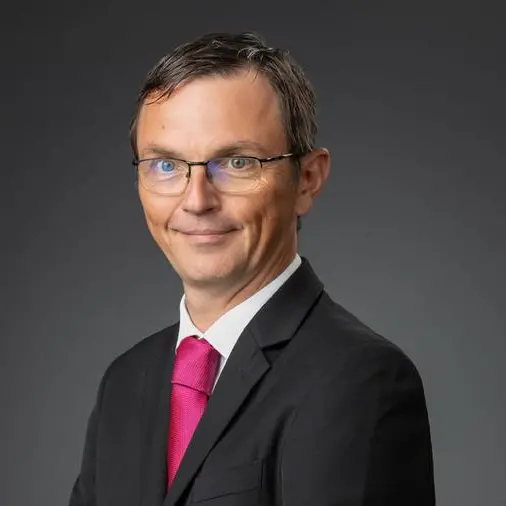
Bassam Hajhamad, Qatar Country Senior Partner and Consulting Lead at PwC Middle East said: “CEOs in Qatar are entering the next phase of growth with exceptional confidence, clarity of direction, and long-term purpose. As new investment opportunities emerge, business leaders are scaling AI, pursuing strategic acquisitions, and aligning closely with national priorities to drive efficiency and build a more innovative, resilient, and competitive economy.”
AI moves from adoption to measurable impact
CEOs in Qatar are accelerating the shift from experimenting with artificial intelligence to embedding it across core business operations. In Qatar, 84% of CEOs report having clearly defined roadmaps for AI initiatives, 81% cite a strong organisational culture that supports AI adoption, and 77% say they have access to the right technology environment to integrate AI at scale. AI is being increasingly embedded across core business functions, from demand generation and fulfilment to support services and directly into products, services and customer experiences
As AI becomes more deeply integrated, leaders are increasingly focused on governance, skills development and enterprise-wide integration to ensure adoption delivers sustained value.
Dealmaking reflects confidence and diversification
Strong confidence is also evident in dealmaking, with 90% of CEOs in Qatar planning to pursue a major acquisition over the next three years, signalling sustained appetite for diversification. More than half (55%) say their organisations are already competing in new sectors, reflecting a deliberate shift toward building capabilities beyond traditional core industries. Technology, consumer-facing sectors and services continue to attract interest as organisations seek new sources of value.
Investing through uncertainty strengthens resilience
While geopolitical and economic risks remain on the agenda, Qatar CEOs are choosing to invest through disruption rather than pause activity. 61% say geopolitical instability is unlikely to affect their investment decisions, underscoring confidence in the domestic operating environment.
Cyber risk exposure for business leaders in Qatar has also declined significantly compared with last year’s findings, reflecting increased investment in digital resilience and risk management as organisations scale technology adoption.
Looking ahead
Growth opportunities in Qatar will continue to prioritise businesses that can deliver measurable outcomes in priority areas such as artificial intelligence, innovation, and future-ready initiatives.
Over the next few years, leaders will need to build differentiated talent strategies, and partner closely with government on national programmes to better be positioned to capture value as Qatar moves into the next phase of its economic transformation.
For the full report and additional insights, visit this link.
About PwC
At PwC, we help clients build trust and reinvent so they can turn complexity into competitive advantage. We’re a tech-forward, people-empowered network with more than 364,000 people in 136 countries and 137 territories. Across audit and assurance, tax and legal, deals and consulting, we help clients build, accelerate, and sustain momentum. Find out more at www.pwc.com.
With over 12,000 people across 12 countries in 30 offices, PwC Middle East combines deep regional insight with global expertise to help clients solve complex problems, drive transformation, and achieve sustained outcomes. Learn more at www.pwc.com/me.
PwC refers to the PwC network and/or one or more of its member firms, each of which is a separate legal entity. Please see www.pwc.com/structure for further details.