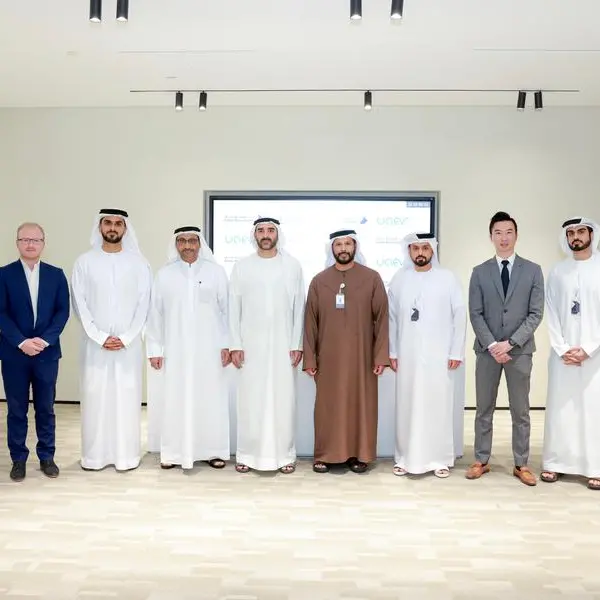
Dubai-UAE: 10 May, 2016 - A panel discussion on day two of the 2nd Annual International Conference and Exhibition organised by Dubai-based World Free Zones Organization (World FZO) examined the implications of various policies and practices of free zones and their impact on investment.
Titled 'GVC: Policies and Implications', the panel discussion featured Daniel Griswold, President, National Association of Foreign-Trade Zones, USA, Slavomir Majman, President, Polish Information and Foreign Investment Agency, Poland, Chirag Shah, Dubai International Financial Centre, UAE and Roberto Suarez, Deputy Secretary-General, International Organisation of Employers, Switzerland.
Speaking on the growth of trade, Daniel Griswold said: "Currently, we are facing a challenging environment in the macro sense and the political sphere as well. While globally, the value of trade is being called into question, US free trade zones continue to remain stable. Even in the challenging environment, our program is doing very well, and is more relevant to the US economy than ever before.
"While there are certain aspects of the US Free Trade Zone program that could see some improvement, there are certain elements that the US program gets right - including the fact that our zones are very much integrated into the domestic economy, rather than being separate production zones."
He added: "The flexibility of the program attracts investors from a variety of operations and extends benefits to businesses existing in the free trade zones as well as subzones. While these business do import resources from abroad, they also contribute heavily to the local economy through the use of local materials as well, in addition to the employment and skills transfer they provide to the domestic workforce."
Speaking about European free zones, Slavomir Majman said: "There are certain crystal clear missions for free zones in Europe, the first being re-industrialization. The development of special economic zone systems and the redistribution of resources to these zones has led to the rapid development of industries in many parts of the region that were historically less developed. These free zones also need to continue to focus on developing their human capital through enhancing their skills and knowledge and educating them in various fields.
"European free zones have established an ecosystem of business that offers an availability of high quality suppliers, contractors, and local businesses. These help foreign businesses to survive. Countries in Europe, such as Poland, have the added benefit of low red tape in terms of growing investment and business in the region."
Chirag Shah then highlighted the importance of the location of a free zone, as well as the necessity for clear legal certainty. He said: "One of the unique things about Dubai is the location - which is important and contextual. Dubai International Financial Centre is a free zone dedicated to financial services, and for this sector, the certainty of law and the judicial system are key elements. We have managed to successfully create a legal environment that is the same as the UK or the US, and enables firms to enter and operate with ease. We have attracted more than 400 financial institutions from all over the world.
"In the case of financial and other institutions, the rule of law and contract certainty are important factors. It is vital that trade and business needs are not looked at in isolation. By providing the suitable platform, we're able to facilitate investments in UAE and the larger region."
Roberto Suarez discussed the impact of Global Value Chains on local economies, and said, "There is more and more evidence that shows Global Value Chains clearly benefit the local economic environment, particularly through income that stays in the local economy. You need a stable economic and political environment. The human capital environment also benefits from these systems, along with national and physical infrastructure.
"The main challenge is to follow the evidence of good examples from around the world, and develop a practical approach by which local economies can establish dynamic free zones that lead to their social and economic advancement."
World FZO's 2nd Annual International Conference and Exhibition has drawn attendees from around the world including global economic experts, academics, government officials, and policy makers.
-Ends-
For further information, please contact:
Ali Yaseen
APCO Worldwide
Mob: +971 55 358 7422
Email: ayaseen@apcoworldwide.com
© Press Release 2016