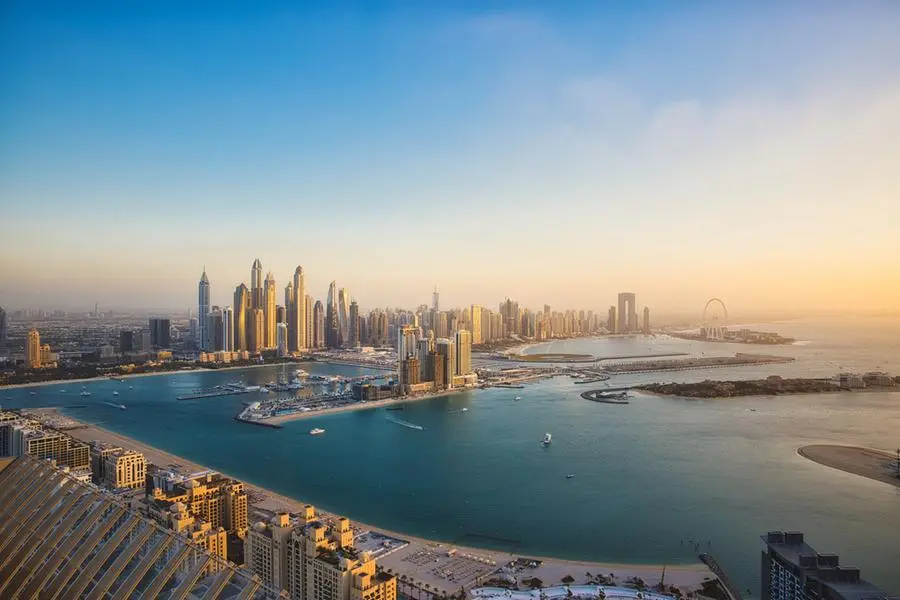
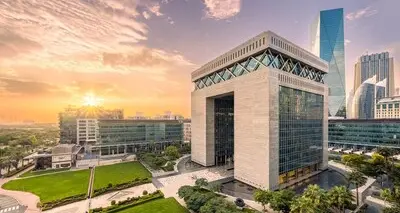
Muscat - Tall glass-fronted apartments, shiny new shopping malls, technology parks, a cultural quarter, art galleries and museums have all become the hallmarks of the modern buzzing city. Add in some history and a major international sporting event and you have a new urban identity.
Organized by the Brand Oman Management Unit (BOMU) the three-day residential Muscat Youth Summit is challenging 180 students from over 12 countries to examine and discuss why cities such as New York, London, Tokyo, Paris, Frankfurt, Zurich, Los Angeles and Hong Kong have become so successful and the lessons for Omani cities.
As His Highness Sayyid Faisal Al Said, COO, BOMU puts it: 'developing a city is a process, not a moment. Our housing, shops, parks, museums, hotels, people, universities and beaches all play an important role in projecting our urban identity. We simply have to keep on reviewing and reinventing them.'
Led by workshop presenters from Aedas, Abu Dhabi Urban Planning Council, Landor, Omran and GUTech Tuesday's workshops examined what Oman can learn from other cities that will make the sultanate's urban areas better places to live, work and visit.
'We hope today's sessions will produce interesting and sustainable ideas on how Omani cities respond to an ever-changing world,' says the BOMU COO.
But how does Muscat capture and maintain a particular distinctiveness and identity that makes it stand out from the crowd?
'We won't achieve that just through cool architecture and new buildings. We need to understand what our economic assets are and preserve our distinctiveness. Indeed, whatever we develop and build it has to be authentic and rooted in our history and communal memory,' remarks Sayyid Faisal.
According to BOMU's Azzan Al Busaidi:
'There are three key reasons that explain why a network of 40 cities has assumed such a prominent global economic role.
First, the global economy isn't simply a market, but a system that needs specialized skills, know-how and talent and these are rooted in cities. Second, privatization and deregulation have shifted public sector-run functions to the corporate world, again centralizing these activities in urban areas. Third, cities boast fast, high-end communication infrastructures that leading sectors and businesses need.'
Commenting on her participation at the Summit, Umaina Al Hosni, Marketing and Advertising undergraduate at Al Bayan College said:
'The workshops were fantastic, we looked at a range of issues that contribute to the development of a city and its identity. But the one thing I came away with was the fact that new urban actors are changing the look and feel of cities right across the globe. For example, privatization and deregulation has expanded the ability and freedom of large and small companies to do business anywhere in the world. In this regard, we've got to ensure that Oman continues to be business friendly and offers the lifestyle and infrastructure that foreign investors and business people are looking for - whether that's cinema, housing, theatre or industrial parks.'
-Ends-
© Press Release 2010